










In today's fast-paced world, effective communication is critical to the success of any organization, particularly in fields requiring coordinated teamwork like security, construction, and event management. Understanding the complexities and advancements in two-way radio communication, also known as portable communication radio systems, is crucial for industries operating in large and dynamic environments. At the forefront of these communication solutions is Basec Africa—a leading provider of high-quality handheld two-way radios, security walkie talkies, and professional communication equipment across Nigeria.
Table of Contents
- Table of Contents
- The Evolution of Two-Way Radios
- Advantages Over Mobile Phones
- Basec Africa: Leading the Charge in Communication Solutions
- FAQs
The Evolution of Two-Way Radios
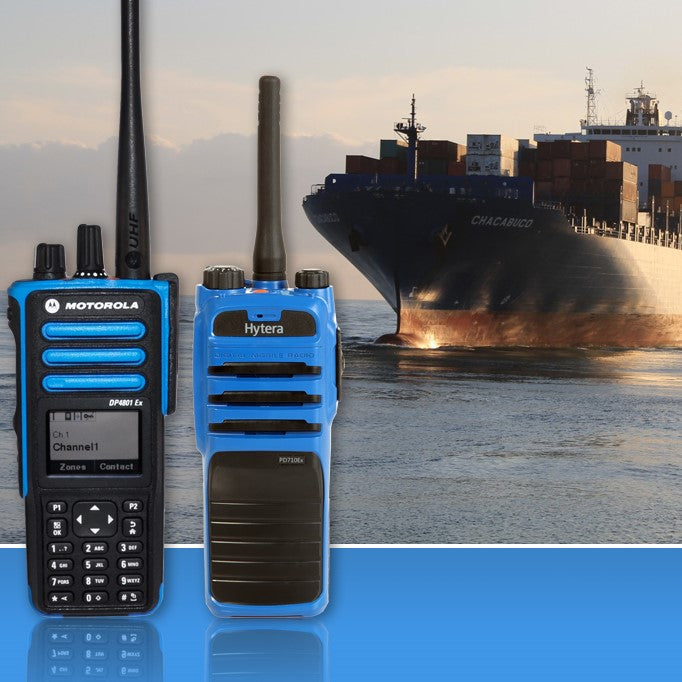
Two-way radios have significantly evolved from traditional analog walkie talkies to sophisticated digital two-way radios. These communication devices offer unmatched reliability, durability, and instant connectivity, making them indispensable for security teams and event coordinators alike.
Types of Two-Way Radios

- Handheld Radios: These portable devices are perfect for on-the-go communication and are widely used by security personnel and hotel staff. For instance, the Baofeng UV9R Plus Walkie Talkie Radio is favored for its rugged build and versatile functionality.
- Digital Two-Way Radios: The MOTOROLA DP-4401E/4400E Professional Digital Two-Way Radio represents a leap in digital communication technology, offering features like encrypted communication for enhanced security.
- Long-Range Walkie Talkies: Ideal for construction site communication, these radios ensure clear communication over extended distances. The Motorola GP366 Walkie Talkie is renowned for its reliable long-range capabilities.
- UHF and VHF Communication Radios: These radios cater to different range requirements; UHF is often preferred for urban settings, while VHF is efficient in rural and open areas.
- Modern Push-to-Talk Technology: This innovation facilitates swift group communication, enhancing operational efficiency and safety.
Advantages Over Mobile Phones
While mobile phones are ubiquitous, two-way radio communication systems offer several distinct advantages, particularly in sectors requiring real-time coordination:
- Instant Communication: Push-to-talk feature ensures immediate response without dialing contact numbers.
- Durability: Built to withstand harsh conditions, making them ideal for outdoor and site use.
- Reliability: Independent of mobile networks, ensuring continual operation even in areas with poor cellular coverage.
- Effective in Large Operational Environments: Perfect for security operations, large event venues, and construction sites.
For a detailed exploration of these benefits, check out our Comparing Walkie Talkies and Mobile Phones for Seamless Business Operations article.
Basec Africa: Leading the Charge in Communication Solutions

Basec Africa, as part of Bas Africa Solutions Ltd, is dedicated to providing top-tier communication technology solutions across Nigeria. From walkie talkie Lagos options to security communication radios in Nigeria, Basec Africa covers a comprehensive range of professional communication needs.
Whether you're looking to buy walkie talkie Nigeria solutions or equip a security team with efficient communication radios, Basec Africa has the right tools for every task. Products like the Motorola GR300 Repeater enhance signal reach and reliability, crucial for expansive sites and large-scale operations. Explore our Communication Equipment collection for more options.
For more insights into our role in professional communication systems, please read The Role of Basec Africa in Advancing Professional Communication Systems.
Stay connected and safe with Basec Africa, your trusted partner in advanced security communications.
Visit Basec Africa for further information on how you can enhance your communication strategies with our range of cutting-edge devices.
FAQs
What are digital radios?Digital radios are communication devices that transmit audio signals in digital format, allowing for clearer sound quality and improved functionality compared to traditional analog radios. They utilize digital encoding techniques to enhance the security and efficiency of communications.
How do digital radios enhance security in communications?Digital radios provide enhanced security through features such as encryption, which protects sensitive information from being intercepted. Additionally, they offer improved range and reliability, reducing the chances of miscommunication or signal interference in critical situations.
What are the key features to look for in a digital radio for security purposes?When selecting a digital radio for security communications, consider features such as secure encryption, durability, battery life, range capabilities, ease of use, and interoperability with other communication systems. These factors ensure effective communication, especially in high-stakes environments.
Can digital radios operate in remote or challenging locations?Yes, digital radios are designed to function effectively in various environments, including remote or challenging locations. Many models are built to withstand harsh weather conditions and utilize long-range or mesh networking capabilities to maintain connectivity.
What is the difference between analog and digital radio communications?The main difference between analog and digital radio communications lies in the way the signal is transmitted. Analog radios transmit sound waves through continuous signals, while digital radios convert audio into binary data, resulting in clearer audio quality, enhanced security, and better overall performance.
How does encryption work in digital radios?Encryption in digital radios involves converting the transmitted information into a coded format that can only be understood by authorized users. This helps to secure communications, ensuring that only intended recipients can access and interpret the transmitted messages.
Are there specific industries that benefit the most from using digital radios?Yes, industries such as law enforcement, emergency services, military, transportation, and logistics benefit significantly from digital radios due to their enhanced security features, reliability, and ability to facilitate clear communication during critical operations.
What considerations should organizations keep in mind when implementing digital radios?Organizations should assess their specific communication needs, the training requirements for personnel, potential network infrastructure upgrades, and ongoing maintenance and support for digital radio systems to ensure successful implementation and optimal performance.
How do digital radios support interoperability with other communication systems?Digital radios often support interoperable protocols and standards, allowing them to communicate seamlessly with various systems and devices. This functionality enables different agencies or departments to coordinate effectively during joint operations or emergencies.

