










In the bustling world of construction, maintaining effective communication is paramount. Ensuring that every team member has immediate access to clear and reliable communication tools can significantly enhance safety and operational efficiency. One of the most effective solutions for this is adopting durable two-way radios, a tried-and-tested technology that continues to play a vital role in construction site communication.
Table of Contents
- Table of Contents
- Types of Two-Way Radios
- Advantages Over Mobile Phones
- Tailored Solutions from Basec Africa
- FAQs
Types of Two-Way Radios

Two-way radios come in various forms to suit different operational needs. Here are some of the prominent types:
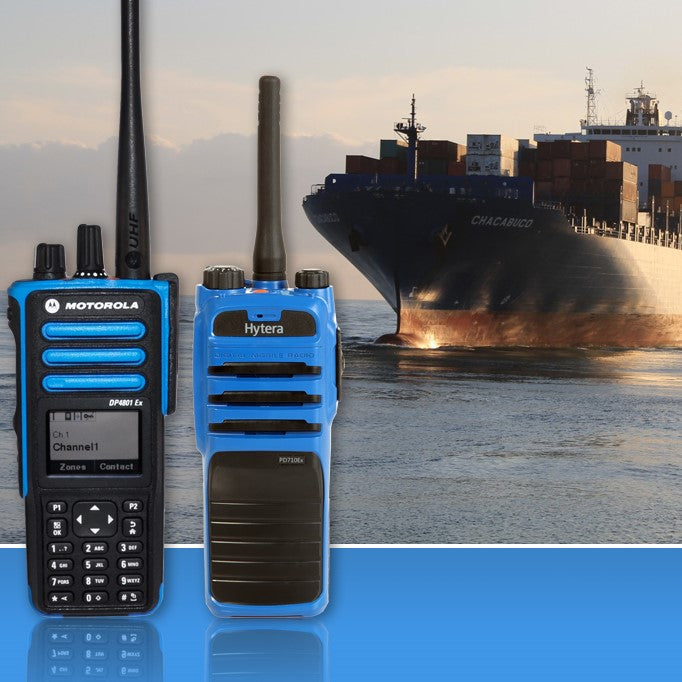
- Handheld Radios: These portable communication radios are perfect for on-the-go scenarios. Lightweight and easy to use, devices like the Motorola GP338 Walkie Talkie offer robust solutions.
- Digital Two-Way Radios: Digital systems offer clearer audio and additional features like text messaging and GPS tracking. The Motorola MOTOTRBO MTR3000 Repeater enhances the range and quality of radio communication.
- Long-Range Walkie Talkies: Essential for expansive sites, these devices ensure seamless communication irrespective of distance.
- UHF and VHF Communication Radios: Whether you're navigating urban jungle or rural terrains, selecting the right frequency band—UHF or VHF—is crucial for minimizing interference and maximizing clarity.
- Push-to-Talk Communication: The traditional yet effective method of instant communication which ensures that messages are relayed swiftly and accurately.
Advantages Over Mobile Phones
Unlike mobile phones, two-way radio communication provides:
- Instant Communication: With just a push of a button, messages are transmitted instantly without waiting for network signals.
- Reliability: Two-way radios function efficiently in areas where mobile networks struggle, offering consistent communication.
- Durability: Designed to withstand rough conditions typical of construction sites, professional walkie talkies are sturdy and resilient.
- Effectiveness in Large Environments: Whether on a construction site or as part of a security team, the broad range and reliability of these devices make them indispensable tools.
Tailored Solutions from Basec Africa

Basec Africa, under the esteemed Bas Africa Solutions Ltd., is at the forefront of providing high-quality communication solutions. Whether for security communication or event coordination, our range of professional walkie talkies and two-way radios are designed to elevate operational efficiency and ensure safety.
From construction teams to security firms, and event organizers to hotel staff, our communication radios provide unparalleled service across Nigeria, including major hubs like Lagos. Explore our suit of offerings, including the Motorola GP399 Walkie Talkie, a reliable choice for professional environments.
Discover more about how we support organizations with the best in radio communication systems by visiting our website.
When it comes to ensuring safety and boosting efficiency on construction sites, relying on professional communication equipment is non-negotiable. With a trusted provider like Basec Africa, you'll have access to a range of suitable communication radios tailored to meet your specific needs, ensuring that your construction site is always connected, safe, and efficient.
FAQs
What is two-way communication in the context of construction sites?
Two-way communication refers to a communication system that allows for real-time dialogue between team members, ensuring that information can be sent and received seamlessly. In construction, this is crucial for coordinating tasks, addressing safety concerns, and improving overall efficiency on-site.
How can two-way communication enhance safety on construction sites?
Effective two-way communication enhances safety by allowing workers to quickly report hazards, share safety alerts, and communicate urgent information. This immediate sharing helps prevent accidents and ensures everyone is aware of potential dangers, promoting a safer working environment.
What types of devices can be used for two-way communication on construction sites?
Common devices include two-way radios, mobile applications, and intercom systems. Each option provides various features suitable for different work environments, such as durability to withstand harsh conditions or specific functionalities like group messaging.
Are there any specific features to look for in communication devices for construction sites?
When selecting communication devices, look for features such as durability to resist weather and impact, long battery life for extended use, clear audio quality, ease of use, and the ability to operate in loud environments.
How can training improve the effectiveness of two-way communication among construction workers?
Training ensures that all workers understand how to use communication devices properly and are familiar with protocols for reporting issues or emergencies. This training fosters a culture of safety and responsiveness, leading to a more cohesive team.
What role does leadership play in fostering effective communication on construction sites?
Leadership sets the tone for communication practices. By promoting an open-door policy and encouraging workers to voice their concerns, leaders can create an environment where safety communication is prioritized, enhancing overall site safety.
How does two-way communication contribute to improved efficiency in construction projects?
By facilitating real-time updates and feedback, two-way communication allows for quick decision-making and problem-solving. This responsiveness can lead to timely adjustments in work processes and more efficient use of resources, ultimately accelerating project timelines.
Can two-way communication systems be integrated with other technologies on construction sites?
Yes, two-way communication systems can often be integrated with project management tools, drones, and other safety technologies. This integration allows for a more comprehensive approach to site management, enhancing both safety and productivity.
What are the cost implications of implementing two-way communication systems in construction?
While there may be initial costs for devices and training, the long-term benefits—such as reduced accidents, improved efficiency, and enhanced worker morale—often outweigh these costs. Investing in communication technology can lead to significant savings over time.

