


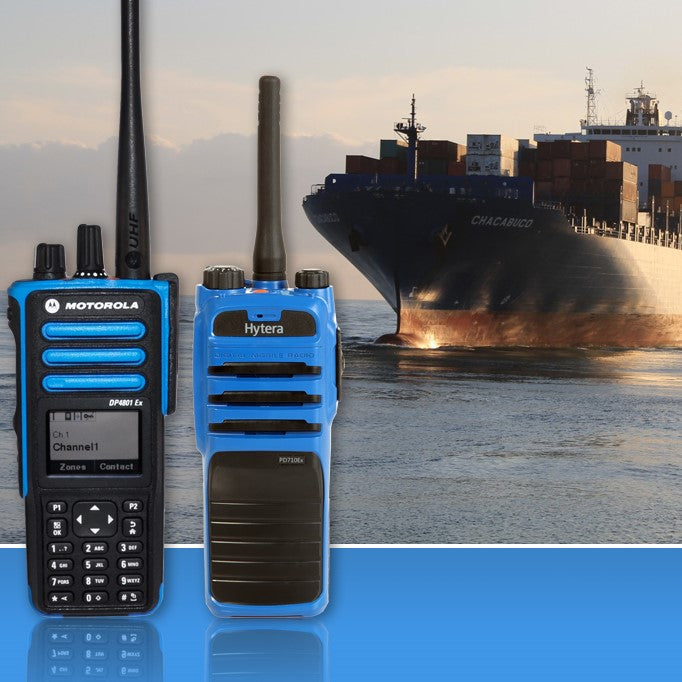







In the ever-evolving world of communication technology, two-way radios remain an essential tool for a wide range of industries. Their ability to provide reliable, instant communication is unmatched, especially when considering environments where traditional mobile phones might fall short. Whether you're managing a security team or coordinating an event, investing in a quality walkie talkie can be the key to seamless operations. Here, we break down the key features of different types of two-way radios and explore how Basec Africa is leading the way in providing high-quality, professional radio communication solutions.
Table of Contents
- Table of Contents
- The Variety of Two-Way Radios
- 1. Handheld Two-Way Radios
- 2. Digital Two-Way Radios
- 3. Long-Range Walkie Talkies
- 4. UHF and VHF Communication Radios
- 5. Push-to-Talk Technology
- Why Choose Professional Walkie Talkies Over Mobile Phones?
- Basec Africa: Your Trusted Communication Solutions Provider
- FAQs
The Variety of Two-Way Radios
Two-way radios, often known as walkie talkies, come in various forms and designs, each suited to specific applications:
1. Handheld Two-Way Radios

Widely used due to their portability and convenience, handheld two-way radios like the Icom V88 Walkie Talkie are ideal for individual or small team communications. They are favored for personal use, small events, or corporate settings.
2. Digital Two-Way Radios

Digital radios offer enhanced audio quality and improved security features, making them suitable for demanding environments. Devices like the Kenwood TK3207/TK2207 Walkie Talkie deliver consistent performance even in signal-challenged locations.
3. Long-Range Walkie Talkies

For large operational environments, long-range walkie talkies such as the Motorola Gp340 Walkie Talkie are indispensable. They ensure seamless communication over extensive distances, a critical factor for security teams or construction sites.
4. UHF and VHF Communication Radios
UHF and VHF radios cater to different range needs. UHF is better suited for indoors and areas with obstacles, while VHF excels in open areas and outdoor settings.
5. Push-to-Talk Technology
Modern push-to-talk technology instantly establishes a connection with another radio, unlike mobile phones which require dialing. This feature enhances the efficiency of team coordination, crucial for emergency or security scenarios.
Why Choose Professional Walkie Talkies Over Mobile Phones?
Two-way radio communication systems offer several advantages that make them superior to mobile phones in many operational contexts:
- Instant Communication: With push-to-talk, there's no waiting for call setups.
- Reliability and Durability: Built to withstand rigorous conditions, these radios ensure consistent performance.
- Effective Coverage: Designed to cover large areas without signal drops, especially in areas where cellular networks fail.
Basec Africa: Your Trusted Communication Solutions Provider
Basec Africa, under the parent company Bas Africa Solutions Ltd, is renowned for providing top-tier security technology and communication solutions. Specializing in professional walkie talkies and two-way radios, Basec Africa supports sectors like security, events management, and construction with tailored communication systems. Whether you need portable communication radios for a crowded city like Lagos or for expansive Nigerian estates, Basec Africa ensures efficient, reliable solutions. Discover their range of products in the Communication Equipment collection.
For more insights on the role of two-way radios in operational success, explore related articles such as How Walkie Talkies Drive Operational Success in Lagos and Beyond and Leveraging Modern Communication Systems for Nigerian Construction and Security Sectors.
Whether you're looking to buy a walkie talkie in Nigeria or need a security communication radio for your team, consider Basec Africa for your communication needs. Visit Basec Africa today to explore their extensive offerings. Embrace the power of modern wireless communication devices and enhance your operational efficiency with professional walkie talkies.
FAQs
What are long-range two-way radios?
Long-range two-way radios are communication devices that allow users to send and receive voice messages over extended distances, typically spanning several miles, depending on environmental factors and the specific model.
How do long-range two-way radios work?
These radios operate by transmitting radio waves between two or more devices. When a user speaks into a microphone, the radio converts their voice into a radio signal that is sent through the air. The receiving radio picks up the signal and converts it back into sound.
What factors influence the range of long-range two-way radios?
The communication range can be affected by several factors, including terrain (hills and buildings can block signals), weather conditions, frequency band used, power output of the radio, and the type of antenna used.
Are long-range two-way radios suitable for outdoor activities?
Yes, they are particularly popular for outdoor activities such as hiking, camping, and construction work, where reliable communication over long distances is essential, and cellular coverage may be limited.
Do I need a license to operate long-range two-way radios?
It depends on the frequency band the radio operates on. Some bands, like Family Radio Service (FRS), do not require a license, while others, such as General Mobile Radio Service (GMRS), do require one. Always check local regulations before use.
What are the key features to look for in a long-range two-way radio?
When choosing a long-range two-way radio, consider features like range, battery life, durability, weather resistance, ease of use, available channels, and additional functionalities like privacy codes or emergency alerts.
Can long-range two-way radios be used for emergency situations?
Yes, many long-range two-way radios include features specifically geared for emergencies, such as built-in flashlights, weather alerts, and special frequencies designated for emergency communication.
How long do the batteries last in long-range two-way radios?
Battery life varies by model and usage. On average, rechargeable batteries can last anywhere from 8 to 20 hours, while some alkaline batteries may provide longer usage but can reduce the overall performance of the device.
Is there a difference between analog and digital long-range two-way radios?
Yes, analog radios are simpler and often less expensive but can have lower sound quality and more interference. Digital radios generally provide clearer sound, enhanced privacy options, and additional features, but may come at a higher cost.

