









In the evolving landscape of logistics in Nigeria, efficient communication is pivotal. The choice of the right communication equipment not only ensures seamless operations but also enhances the safety and security of personnel involved. Two-way radios, commonly known as walkie talkies, offer a robust communication solution. They excel in various Nigerian operational environments, from the bustling streets of Lagos to expansive construction sites and estate complexes. In this guide, we explore how to choose the perfect two-way radios tailored for your needs.
Table of Contents
- Table of Contents
- Understanding Two-Way Radio Options
- Handheld Two-Way Radios
- Digital Two-Way Radios
- Long-Range Walkie Talkies
- UHF and VHF Communication Radios
- Modern Push-to-Talk Technology
- Advantages of Professional Radio Communication Systems
- Basec Africa: Your Partner in Communication Solutions
- FAQs
Understanding Two-Way Radio Options
With a myriad of options available in the market, it's crucial to understand the different types of two-way radios to make an informed decision.
Handheld Two-Way Radios

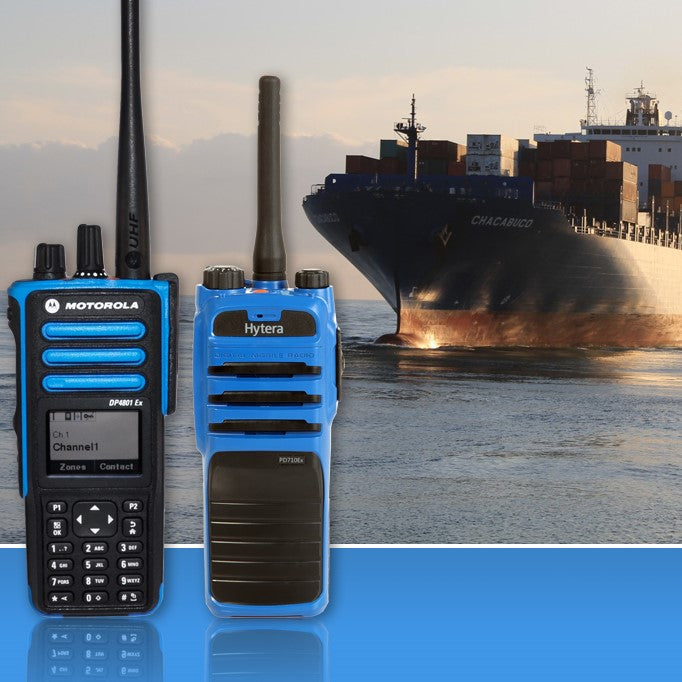
Handheld two-way radios, such as the Motorola GP338 Walkie Talkie, are compact and portable, making them ideal for security teams and event coordinators. These devices facilitate quick, direct communication, crucial for urgent coordination.
Digital Two-Way Radios
Digital radios provide superior audio clarity and privacy features compared to their analog counterparts. They offer advanced features like group calling and text messaging, integral for operations that demand organized communication.
Long-Range Walkie Talkies

For vast sites such as construction areas or estates, long-range walkie talkies, like the Motorola MT-777 Walkie Talkie, allow communication over extended distances without compromising signal quality.
UHF and VHF Communication Radios
UHF (Ultra High Frequency) radios are more suited for urban environments with obstacles like buildings, while VHF (Very High Frequency) radios perform better in open outdoor spaces. Each has distinct advantages depending on the terrain and operational needs.
Modern Push-to-Talk Technology
Push-to-talk technology facilitates immediate communication, eliminating the delays experienced with mobile phones. This instant connectivity is vital in fast-paced logistics operations, ensuring no time is wasted.
Advantages of Professional Radio Communication Systems
Professional walkie talkie systems outshine mobile phones by offering:
- Instant Communication: Immediate push-to-talk functionality ensures quick exchanges between teams.
- Reliability: Unlike mobile networks, two-way radios operate independently, often providing uninterrupted service.
- Durability: Built to withstand harsh conditions, they are ideal for field operations.
- Effectiveness in Large Operational Environments: Suitable for use in sprawling logistics networks, from warehouses to supply chains.
Basec Africa: Your Partner in Communication Solutions

As a branch of Bas Africa Solutions Ltd, Basec Africa is committed to delivering high-quality radio communication solutions in Nigeria. Whether you operate in security, construction, events, or estate management, Basec Africa provides a range of products to enhance your communication framework.
Explore products like the Motorola GM140/340 Base Radio for reliable station-based communication or the versatile Icom IC-F320DEX/F420DEX Atex Walkie Talkie Radio for areas requiring robust security measures.
In conclusion, selecting the right two-way radio is paramount to ensuring effective and secure communication within Nigerian logistics. Visit Basec Africa to explore a comprehensive range of communication devices tailored to meet your specific operational needs.
FAQs
What are two-way radios and how do they work in logistics?
Two-way radios are communication devices that allow users to send and receive voice messages in real-time. In logistics, they facilitate instant communication among team members, improving coordination and efficiency during operations.
Why should I choose two-way radios over mobile phones for logistics communication?
Two-way radios offer immediate push-to-talk communication, which is faster in time-sensitive situations compared to dialing a number on a mobile phone. They are also more durable and reliable in environments where network coverage may be inconsistent.
What features should I consider when selecting two-way radios for my logistics team?
Consider factors like range, battery life, durability, ease of use, and additional features such as noise cancellation, emergency alerts, and compatibility with accessories like headsets or earpieces that enhance hands-free communication.
How does the range of two-way radios impact their effectiveness in logistics?
The range is crucial because it determines how far apart team members can be while still maintaining communication. In logistics, where distance between team members can vary, selecting radios with an appropriate range ensures seamless communication throughout operations.
Are there specific models of two-way radios recommended for Nigerian logistics?
While many models can be suitable, it's important to consider those designed for rugged environments, offering long battery life, and having clear audio quality. Models that support additional features like GPS tracking can also enhance logistics operations in Nigeria.
How do I ensure clear communication using two-way radios in a noisy logistics environment?
Choose radios equipped with noise-cancelling features or use headsets for a clearer audio experience. Additionally, training your team on proper radio etiquette can help minimize misunderstandings and improve overall communication.
Can two-way radios be integrated with other communication technologies?
Yes, many two-way radios can be integrated with other technologies such as smartphones, computers, and dispatch software. This allows for a more comprehensive communication system tailored to the specific needs of your logistics operations.
What is the typical battery life for two-way radios used in logistics?
Battery life varies by model, but most two-way radios offer anywhere from 12 to 24 hours of use on a single charge. It is essential to choose radios that can last through shifts without needing constant recharging to avoid interruptions in communication.
How do I maintain my two-way radios to ensure their longevity?
Regular cleaning, safe storage, and proper charging practices can significantly extend the lifespan of two-way radios. It's also important to conduct routine checks for any signs of wear or malfunction and to have a maintenance plan in place for repairs.

