









In today's fast-paced urban environments, effective communication is paramount for businesses, security teams, event organizers, and construction site managers. Two-way radios, commonly known as walkie talkies, provide a robust solution for instant and reliable communication. This article explores the advantages of handheld and digital walkie talkies, discussing their roles in enhancing urban communication needs.
Table of Contents
- Table of Contents
- The Versatility of Walkie Talkies
- Handheld Two-Way Radios
- Digital Two-Way Radios
- Advantages Over Mobile Phones
- UHF vs. VHF Communication Radios
- Embracing Technological Advancements
- Basec Africa: Leading Communication Solutions Provider
- FAQs
The Versatility of Walkie Talkies
Walkie talkies in Nigeria, particularly in cities like Lagos, serve as indispensable tools for various sectors due to their reliability and ease of use. These devices facilitate communication for security teams, hotel staff, and construction site managers, among others. When we talk about professional radio communication systems, handheld two-way radios and digital two-way radios stand out as leaders in the field.
Handheld Two-Way Radios

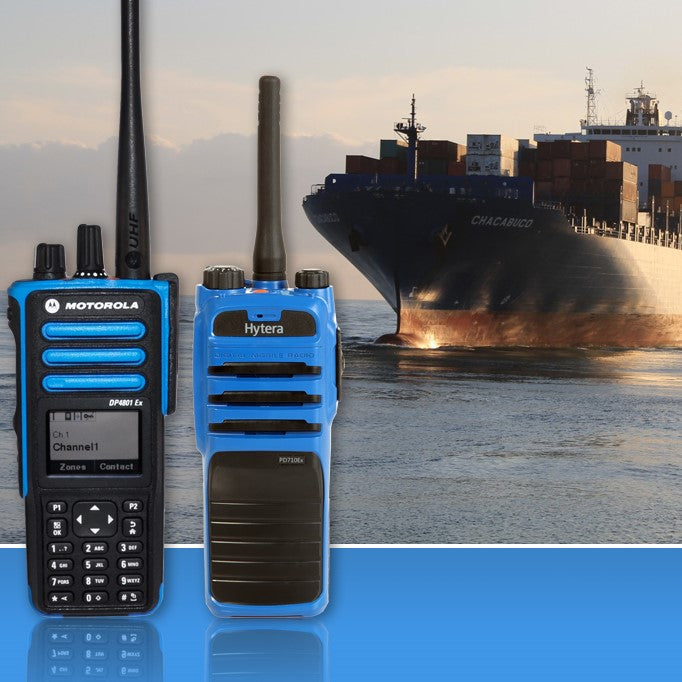
Handheld two-way radios are quintessential portable communication devices. They support long-range communication, making them ideal for security communication in Nigeria and for events requiring widespread coordination. Devices like the Motorola GP366 Walkie Talkie are known for reliable communication and are favored by many for their robustness and durability in demanding environments.
Digital Two-Way Radios
Digital two-way radios offer enhanced features such as noise cancellation and clear voice transmission, which are critical in vibrant urban settings. They provide secure communication channels that are crucial for security team walkie talkies and event communication radios. Additionally, digital radios tend to have longer battery life than their analog counterparts, ensuring consistent communication.
Advantages Over Mobile Phones
Unlike mobile phones, professional walkie talkies and communication radio systems offer instant connectivity without the delays associated with dialing or signal issues. This reliability is crucial for security communication radios and in scenarios where immediate response is needed, such as in construction site communication radios.
UHF vs. VHF Communication Radios
Selecting between UHF and VHF communication radios depends on the specific needs:
- UHF Radios: Best suited for densely populated urban areas because they perform well indoors where obstacles may block signals.
- VHF Radios: Ideal for open, outdoor spaces due to their superior range capabilities.
Both types are integral to a comprehensive communication strategy, ensuring clarity and effectiveness across different environments.
Embracing Technological Advancements
The integration of modern push-to-talk communication technology in two-way radios has revolutionized professional communication equipment. This modern feature allows for seamless interoperability across multiple devices, enhancing the functionality of security communication radios and event coordination systems.
Basec Africa: Leading Communication Solutions Provider

Basec Africa, supported by Bas Africa Solutions Ltd, is committed to providing high-quality walkie talkies and two-way radios for various urban communication needs. By offering products such as the Motorola DM4601/4600 Base Radio, the company ensures that organizations seeking to buy walkie talkies in Nigeria receive top-tier devices designed for efficiency and safety.
Whether you're looking for a reliable security walkie talkie in Nigeria or professional communication equipment for hotel staff, Basec Africa has you covered. Visit Basec Africa to explore their product offerings and learn how they support security companies, event organizers, and more with effective communication solutions.
In conclusion, handheld and digital walkie talkies continue to play a critical role in facilitating effective communication in urban settings. The reliability and advanced features of professional two-way radios make them indispensable for ensuring efficient and safe operations across various sectors.
FAQs
What are the main differences between handheld and digital walkie talkies?
Handheld walkie talkies typically use analog technology, offering basic features for straightforward communication. Digital walkie talkies, on the other hand, use advanced technology to provide clearer audio quality, enhanced features, and better overall performance in urban environments.
Which type of walkie talkie is better for urban areas?
Digital walkie talkies are generally better for urban areas due to their superior noise-canceling features, wider range, and ability to work well in environments with many obstacles, such as buildings and other structures.
Can I use both types of walkie talkies together?
In most cases, handheld and digital walkie talkies cannot communicate with each other because they operate on different frequencies and technologies. It's important to choose a compatible system for effective communication.
What is the typical range of handheld walkie talkies in urban settings?
Handheld walkie talkies usually have a range of 1 to 5 miles in urban settings, but this can be significantly reduced due to interference from buildings, power lines, and other obstacles.
Are digital walkie talkies more expensive than handheld models?
Yes, digital walkie talkies tend to be more expensive than handheld models due to their advanced technology and features. However, they often offer better performance and reliability in challenging urban environments.
How long does the battery last on handheld and digital walkie talkies?
Battery life can vary widely based on usage and the specific model, but typically, handheld walkie talkies may last around 10 to 20 hours, while digital models might offer similar or slightly longer runtime due to more efficient battery management.
Do I need a license to use walkie talkies?
In many regions, a license is not required for personal use of handheld walkie talkies that operate on FRS frequencies. However, certain digital walkie talkies that operate on GMRS frequencies may require a license, so it's important to check local regulations.
Can I use walkie talkies for emergencies in urban environments?
Yes, walkie talkies are a reliable tool for emergency communication in urban settings, as they do not rely on cellphone networks, which can become overwhelmed during crises. However, ensure that you have models that provide clear audio and a good range for your specific location.
What features should I look for in walkie talkies for urban communication?
When choosing walkie talkies for urban communication, look for features such as noise cancellation, multiple channels, emergency alert systems, and robust durability to withstand various weather conditions.

