










In today's fast-paced world, communication is key to the success of any professional environment, from bustling construction sites to coordinated security teams. While mobile phones have become ubiquitous in both personal and professional settings, digital two-way radios continue to provide distinct advantages that make them invaluable for specific use cases. In this guide, we delve into the benefits and drawbacks of using two-way radios versus mobile phones, especially in professional settings across Nigeria, including Lagos.
Table of Contents
- Table of Contents
- The Power of Two-Way Radios
- Types of Two-Way Radios
- Comparison with Mobile Phones
- Basec Africa: Enhancing Professional Communication
- FAQs
The Power of Two-Way Radios

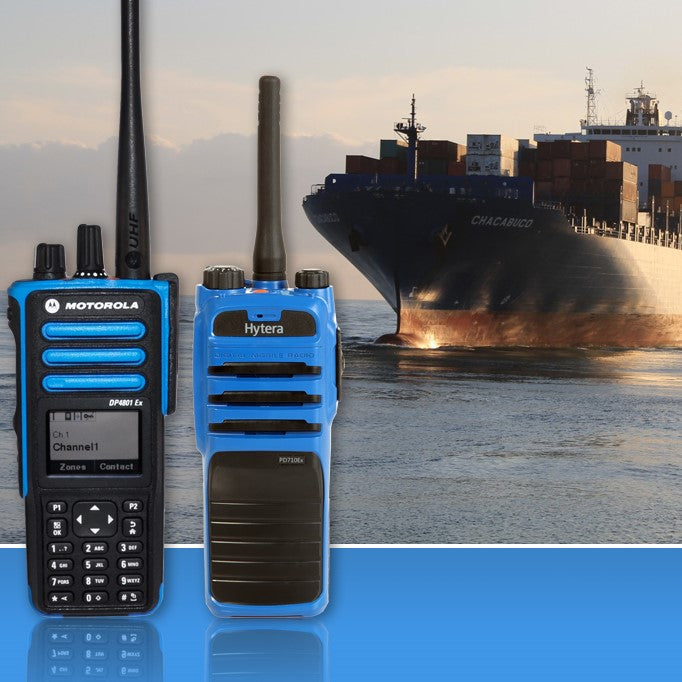
Two-Way Radio Communication offers a host of advantages over mobile phones when it comes to professional use. Here are key aspects that make two-way radios, such as handheld and long-range walkie talkies, particularly valuable:
- Instant Communication: Unlike mobile phones, which can involve dialing, waiting for connections, and potential signal issues, two-way radios allow for immediate push-to-talk communication. This is crucial in fast-moving environments where every second counts.
- Reliability and Durability: Two-way radios are built to withstand tough environments. Products such as the Entel DT885/DT985 EX Atex Walkie Talkie Radio provide robust solutions for hazardous or demanding settings.
- Operational Range: With UHF and VHF options, two-way radios are designed for long-range communication, making them ideal for expansive construction sites or large event venues.
- Group Communication: Radios facilitate group coordination effortlessly, an invaluable feature for security personnel and event organizers. Basec Africa specializes in professional radio communication systems, catering to security teams in Nigeria with security walkie talkies that enhance team safety.
Types of Two-Way Radios

Professional Two-Way Radios come in various forms to meet the diverse needs of different industries:
- Handheld Two-Way Radios: Compact and portable, these are great for on-the-go communication.
- Digital Two-Way Radios: Offering superior audio quality and a range of features like GPS tracking.
- Long-Range Walkie Talkies: Essential for extensive coverage areas.
- UHF and VHF Radios: Providing different frequency ranges suited for particular environments.
- Modern Push-to-Talk Solutions: Integrating advanced technology for seamless communication.
For example, Icom IC-V80 / IC-V8 Walkie Talkie radios offer excellent reliability for professional settings such as construction site communication radios.
Comparison with Mobile Phones
While mobile phones are versatile, they fall short in several key areas important for high-intensity professional environments:
- Signal: Mobile phones are dependent on network coverage which can be unreliable in remote areas. Two-way radios maintain strong communication links irrespective of mobile network availability.
- Cost: Radios often do not incur ongoing service charges like mobile phones.
- Ruggedness: Built to withstand physical stress, professional walkie talkies like those from Basec Africa are perfect for demanding work environments.
Basec Africa: Enhancing Professional Communication

Basec Africa, under Bas Africa Solutions Ltd, stands as a growing leader in delivering innovative communication solutions and equipment such as the Motorola SLR5500 Repeater. They have a broad range of offerings suitable for application in Nigeria - from security communication radios to hotel staff and event communication radios.
Read more on how these solutions improve operational coordination in the blog post: How Professional Communications from Basec Africa Improve Team Safety and Coordination.
Explore our Communication Equipment collection for a wide array of professional communication devices tailored to meet the demanding needs of various sectors.
In conclusion, the strategic use of two-way radios can significantly enhance coordination, safety, and operational efficiency in several industries. Whether it's for a security team in Lagos or an event organizer in Nigeria, the right communication tools are integral to meeting the challenges of today's dynamic professional landscapes.
FAQs
What are the primary differences between digital two-way radios and mobile phones?
Digital two-way radios are designed for instant communication over specific channels, boasting push-to-talk functionality, while mobile phones utilize cellular networks for calls and messaging, offering broader features like internet access and apps.
Which communication device offers better battery life for professional use?
Digital two-way radios typically have longer battery life compared to mobile phones, as they are optimized for efficient communication and often feature energy-saving modes.
Are digital two-way radios suitable for outdoor use?
Yes, many digital two-way radios are built to be rugged and weather-resistant, making them ideal for outdoor environments, construction sites, and events where mobile phone reception may be unreliable.
How do the costs of digital two-way radios compare to mobile phones?
While digital two-way radios may have higher upfront costs for equipment, they can be more economical in the long run due to lower communication fees, especially for large teams in areas with limited mobile coverage.
Which device provides clearer audio quality for professional conversations?
Digital two-way radios generally offer superior audio quality in terms of clarity and volume, particularly in noisy environments, due to their specialized technology designed for direct communication.
Can digital two-way radios connect with mobile phones?
Yes, some advanced digital two-way radios include features that allow interoperability with mobile phones via Wi-Fi or Bluetooth, enabling seamless communication between both devices.
What industries benefit the most from using digital two-way radios?
Industries such as construction, security, hospitality, and public safety often benefit from the instant communication and durability of digital two-way radios, as they facilitate coordinated efforts in real-time.
Are there limitations to using digital two-way radios compared to mobile phones?
Yes, digital two-way radios are generally limited to communication within specific radio ranges and channels, whereas mobile phones can connect to a wider network and access various applications and services.
Is training required to effectively use digital two-way radios?
While basic operation of digital two-way radios is straightforward, professional settings may require training to ensure users understand features, protocols, and efficient use of communication in critical situations.

