










In the bustling world of construction, efficient and reliable communication is not just a convenience—it's a critical component of site safety. Leveraging the right communication tools like long-range walkie talkies and two-way radios can dramatically enhance safety and operational efficiency on large construction sites. Here’s how you can transform your construction site into a safe, well-coordinated environment using advanced two-way radio communication systems.
Table of Contents
- Table of Contents
- The Importance of Reliable Communication on Construction Sites
- Types of Two-Way Radios for Construction
- Advantages Over Mobile Phones
- Basec Africa – Your Communication Solutions Partner
- Explore More
- FAQs
The Importance of Reliable Communication on Construction Sites
Construction sites are dynamic environments where tasks are constantly in motion, and personnel are spread out over large areas. Instant, clear communication is crucial in such settings to ensure that operations run smoothly and safely. Two way radios provide a seamless communication network that connects every member of the team, from the foreman to the individual workers. Unlike mobile phones, these communication devices offer instant connectivity, ensuring messages are delivered without delay.
Types of Two-Way Radios for Construction

At Basec Africa, we recognize the diverse communication needs of construction sites and offer a variety of solutions to meet those needs:
- Handheld Two Way Radios like the Kenwood TK3207/TK2207 Walkie Talkie are portable yet powerful, making them ideal for on-the-go communication.
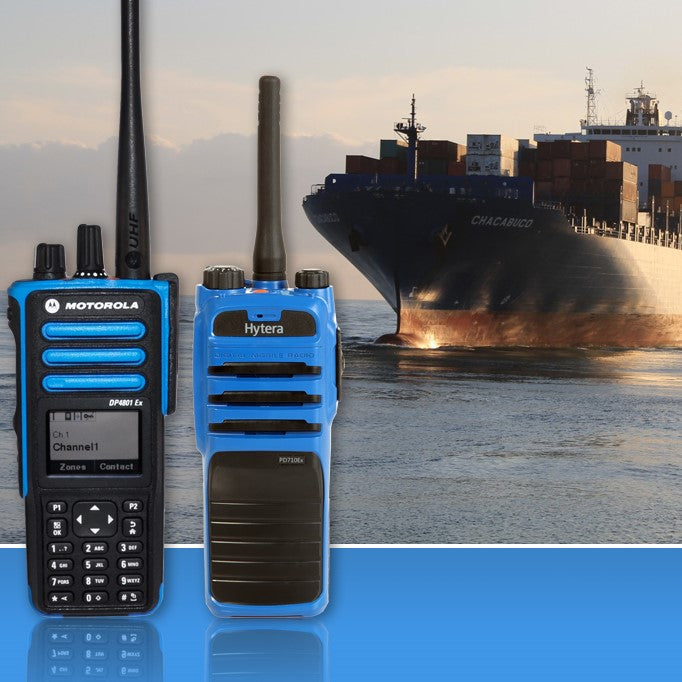
- Digital Two Way Radios such as the MOTOROLA DP-4400/DP-4401 Analog Walkie Talkie offer enhanced clarity and reduced interference for clearer communication.
- Long Range Walkie Talkies like the Baofeng C5 Walkie Talkie Radio are perfect for large sites, ensuring communication remains clear over extended distances.
Advantages Over Mobile Phones
While mobile phones are common, they do not match the reliability and durability of professional walkie talkies. Unlike mobile networks, two-way radios are not dependent on cellular coverage, making them more reliable in remote areas. Their robust design makes them durable enough to withstand the harsh conditions often found on construction sites. Plus, the instant push-to-talk feature ensures immediate connectivity without the delay of dialing numbers.
Basec Africa – Your Communication Solutions Partner
Basec Africa, a key player in security technology and communication, is dedicated to supporting diverse industries with top-tier radio communication systems. Whether you’re coordinating a construction team or managing security operations, our solutions are designed to ensure safety and efficiency. Backed by our parent company, Bas Africa Solutions Ltd, our commitment is to provide only the best in professional communication equipment across Nigeria, including Lagos.
For comprehensive solutions, browse our selections of Communication Equipment to find devices that suit your needs.
Explore More
For more insights on how two-way radios can transform communication in various sectors, check out our article on How Two Way Radios Transform Security Communication Across Nigeria and learn about the Top Benefits of Digital Two Way Radios for Efficient Event Coordination.
To enhance safety and efficiency on your construction site with reliable two-way radio systems, explore our products and find the perfect fit for your needs.
FAQs
What are long-range walkie talkies?
Long-range walkie talkies are two-way radios designed to facilitate communication over extended distances, making them ideal for use in construction sites where workers may be spread out across large areas.
How far can long-range walkie talkies communicate?
The communication range can vary significantly depending on the model and environmental factors, typically ranging from a few miles to over 10 miles in open areas. Obstacles such as buildings and trees can affect the range.
Why are walkie talkies important on construction sites?
Walkie talkies enhance safety and efficiency by allowing immediate communication among workers and supervisors, helping to coordinate tasks, report hazards, and ensure quick responses in emergencies.
What features should I look for in walkie talkies for construction?
Important features include durability (water and dust resistance), long battery life, clear audio quality, noise cancellation, multiple channels, and adjustable power levels to maximize range as needed.
Can walkie talkies be used in urban environments?
Yes, while urban environments may present challenges due to tall buildings that can block signals, selecting models with advanced technology can help maintain effective communication in these areas.
Are long-range walkie talkies regulated?
Yes, walkie talkies may be subject to regulations that differ by country. It’s crucial to ensure that the devices used comply with local aviation and telecommunications regulations for legal operation.
Can I use walkie talkies with headsets on construction sites?
Yes, many walkie talkies are compatible with headsets, allowing for hands-free communication, which is particularly beneficial when workers need to prioritize safety or handle equipment.
Do I need a license to operate long-range walkie talkies?
Depending on the frequency and power output, a license may be required, especially for higher wattage models. It’s essential to check local regulations to determine what applies to your situation.
How do I maintain long-range walkie talkies?
Regular maintenance includes checking battery life, cleaning the exterior, ensuring the antenna is in good condition, and testing communication ranges periodically to ensure optimal performance.
What is the battery life of long-range walkie talkies?
Battery life varies by model and usage, but many long-range walkie talkies offer several hours of talk time. It’s advisable to choose models with removable or rechargeable batteries for extended use on sites.

