









In today's fast-paced world, efficient communication is key to ensuring the safety and effectiveness of security operations. As businesses and events grow in complexity, the demand for reliable communication systems increases. This is where professional walkie talkies and two-way radios come into play, offering unmatched advantages over traditional mobile phones. In this article, we delve into the various types of two-way radios and explore how they enhance security team efficiency, especially in Nigeria.
Table of Contents
- Table of Contents
- The Power of Two-Way Radio Communication
- Types of Two-Way Radios
- Advantages over Mobile Phones
- Basec Africa: Leading the Way in Professional Communication Solutions
- Conclusion
- FAQs
The Power of Two-Way Radio Communication
The versatility of two-way radios makes them an ideal choice for a variety of industries, including security, event management, construction, and hospitality. Unlike mobile phones, two-way radios offer instant communication, reliability, and durability, crucial for large operational environments.
Types of Two-Way Radios
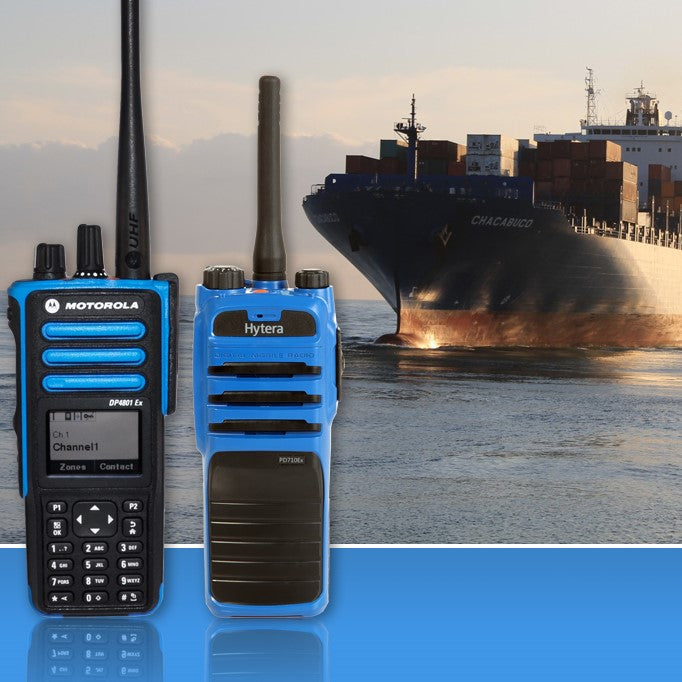
- Handheld Two-Way Radios: Compact and easy to carry, these radios are perfect for on-the-go communication in bustling environments.
- Digital Two-Way Radios: Offering clear audio quality and enhanced range, digital radios are ideal for complex communication needs.
- Long Range Walkie Talkies: Designed for vast areas, these radios ensure seamless communication across long distances.
- UHF and VHF Communication Radios: Depending on the environment, choosing the right frequency (UHF for urban areas, VHF for open spaces) is vital for optimal performance.
- Modern Push-to-Talk Technology: This technology allows for immediate connection with just a push of a button, eliminating the need for dialing numbers.
Advantages over Mobile Phones
- Instant Communication: No waiting time or dialing required.
- Optimum Reliability: Functions effectively even in remote areas where mobile networks may fail.
- Durability and Longevity: Built to withstand harsh environments and extensive use.
Basec Africa: Leading the Way in Professional Communication Solutions

Basec Africa, under the auspices of Bas Africa Solutions Ltd, stands out as a premier provider of professional communication equipment in Nigeria. Whether it's security communication radios or portable communication radios, Basec Africa offers a diverse range designed for efficiency and safety. Their products cater to security companies, event organizers, construction teams, and hotel staff, ensuring seamless coordination and effective communication.
Explore some of the renowned products like:
- Baofeng UV9R Plus Walkie Talkie Radio
- Motorola T600 Talkabout Walkie Talkie Radio
- ICOM IC-A16E ProX Walkie Talkie
Discover our collections like Baofeng Two Way Radio Communications and Icom Two Way Radio Communications to find the perfect fit for your communication needs.
For a comparative look at handheld radios vs. mobile phones, check out our blog post on the topic.
Conclusion
Incorporating professional walkie talkies and two-way radios into security operations significantly enhances team efficiency. With instant communication, reliability, and durability, these devices are indispensable tools for modern organizations. As a leading provider, Basec Africa is dedicated to offering reliable communication solutions tailored to the unique needs of Nigerian businesses, keeping operations smooth and secure at all times.
For more details, explore Basec Africa's offerings and elevate your communication strategy today.
FAQs
What are the primary benefits of using professional walkie talkies and two-way radios for security teams?
Using professional walkie talkies and two-way radios enhances communication efficiency, improves coordination among team members, allows for immediate response during critical situations, and ensures reliable communication even in areas with poor cellular service.
How do walkie talkies differ from standard mobile phones in security operations?
Walkie talkies provide instant communication, allowing for immediate push-to-talk functionality, whereas mobile phones require dialing and often rely on network coverage. This makes walkie talkies more effective for fast-paced security environments.
What features should I look for in two-way radios for security purposes?
Key features to consider include range, battery life, durability, channel options, noise-canceling technology, and compatibility with accessories like earpieces and microphones for discreet communication.
Can walkie talkies work in remote areas with no cellular service?
Yes, walkie talkies communicate directly between units without the need for cellular networks, making them ideal for remote locations or areas with limited or no mobile coverage.
How many members can effectively communicate using walkie talkies at the same time?
The number of users that can communicate simultaneously depends on the specific model and its channel capacity. Most professional walkie talkies allow multiple users on different channels or can be programmed for group communication.
Are two-way radios safe to use in sensitive security environments?
Yes, many professional two-way radios come with encryption features to enhance privacy and security, making them suitable for sensitive environments where confidential communication is crucial.
What is the typical battery life of professional walkie talkies?
Battery life can vary based on usage and model, but many professional walkie talkies offer between 12 to 24 hours of active use on a single charge, depending on power settings and the features utilized.
Can I use my walkie talkie in adverse weather conditions?
Many professional walkie talkies are designed to be weather-resistant or rugged, allowing them to function effectively in various conditions such as rain, snow, or extreme temperatures.
How can I train my security team to use two-way radios effectively?
Providing hands-on training sessions that cover basic operations, proper communication protocols, emergency procedures, and practice scenarios can help improve team competency and ensure efficient use of two-way radios.

