










In the fast-paced world of communication, two-way radio systems have stood the test of time as dependable and efficient tools for instant communication. Whether on a bustling construction site in Lagos or an intricate security operation in Nigeria, two-way radios and their modern push-to-talk technology continue to play an integral role in facilitating seamless communication.
Table of Contents
- Table of Contents
- Understanding Two-Way Radio Systems
- Types of Two-Way Radios
- Advantages of Push-to-Talk (PTT) Technology
- Key Advantages Over Mobile Phones
- Basec Africa: Your Communication Partner in Nigeria
- FAQs
Understanding Two-Way Radio Systems
Two-way radios, commonly known as walkie talkies, are devices that allow bidirectional communication between users. Unlike mobile phones, which rely on cellular networks, two-way radios communicate via radio waves, providing immediate connectivity—a crucial factor in environments where timing and reliability are critical.
Types of Two-Way Radios

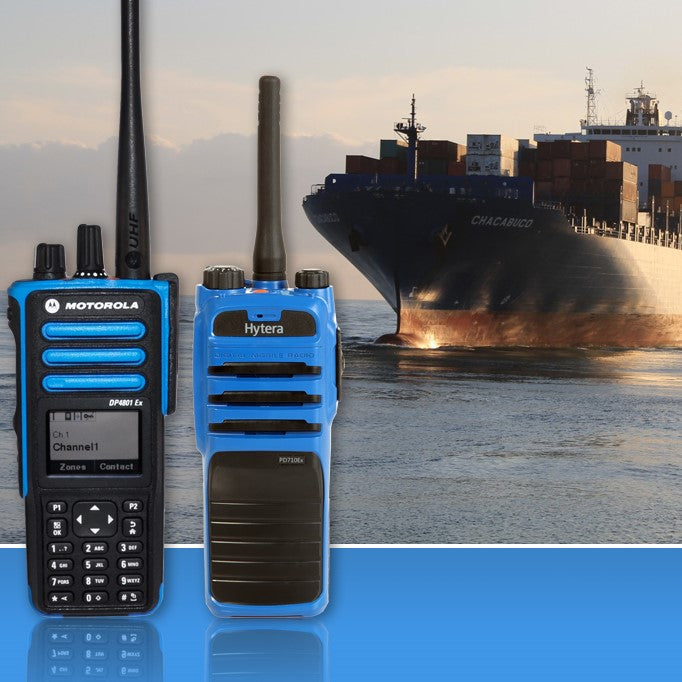
- Handheld Two-Way Radios: Often considered the standard, these portable devices come in various models and offer flexibility for users on the move. The Motorola Cp-040 Walkie Talkie is a prime example, known for its durability and ease of use.
- Digital Two-Way Radios: This modern evolution of radio communication provides better sound quality, more channels, and extended battery life. Digital radios like the Motorola DM4601/4600 Base Radio offer advanced features ideal for professional settings.
- Long-Range Walkie Talkies: Designed to cover extensive distance, these radios are essential for large venues and expansive terrains. They are often used in security operations, events, and construction sites across Nigeria, ensuring reliable communication over considerable expanses.
- UHF and VHF Communication Radios: UHF radios are suitable for use in built-up areas and indoors due to their ability to penetrate buildings, while VHF radios are more effective in open spaces. The Icom IC-A200 Aviation VHF Transceiver is an excellent choice for aviation and similar applications.
- Repeaters: Devices like the Motorola GR500 Repeater and Motorola SLR8000 Repeater amplify signals, extending the range of communication in vast operations or challenging terrains.
Advantages of Push-to-Talk (PTT) Technology
Push-to-talk technology allows users to communicate instantly at the push of a button, which is a distinct advantage over dialing a number on a phone. This quick-response feature is crucial in professional radio communication systems used by security teams, hotels, and construction sites, where quick responses can significantly affect outcomes.
Key Advantages Over Mobile Phones
- Instant Communication: Eliminate dialing and waiting for connection—just press and speak.
- Durability: Built to withstand harsh conditions, professional walkie talkies endure rough handling.
- Reliability: Radio waves are more reliable in remote areas where cellular signals may fail.
- Effectiveness in Large Environments: Perfect for coordination in events, security operations, and large sites.
Basec Africa: Your Communication Partner in Nigeria
Basec Africa, a subsidiary of Bas Africa Solutions Ltd, is a growing provider of security technology and communication solutions in Nigeria. By offering high-quality walkie talkies and two-way radios, Basec Africa supports a wide range of sectors, helping security companies, event organizers, construction teams, and estates achieve efficient and reliable communication.
Whether you are in Lagos searching for walkie talkies or looking to buy walkie talkies for a demanding security communication task, Basec Africa ensures that you have access to cutting-edge professional communication equipment designed for safety and efficiency.
Explore the complete range of high-quality communication radios available at Basec Africa, and empower your team with technology that keeps you connected, informed, and in control.
For more information on our offerings, please visit the Basec Africa website.
FAQs
What is push-to-talk (PTT) technology?
Push-to-talk technology enables instant communication by allowing users to transmit their voice over a two-way radio system with the simple press of a button, making it a popular choice for various industries.
How does modern PTT differ from traditional two-way radios?
Modern PTT technology often integrates with digital systems and mobile devices, offering features like improved audio quality, better range, and the ability to connect with Wi-Fi or cellular networks, unlike traditional analog radios.
What industries commonly use push-to-talk technology?
PTT technology is widely used in sectors such as public safety, construction, hospitality, transportation, and event management, where instant communication is essential for efficient operations.
Can PTT systems be used with smartphones?
Yes, many modern PTT systems are compatible with smartphones, allowing users to communicate over cellular networks or Wi-Fi, providing greater flexibility and access to additional features.
What are the benefits of using PTT over traditional cell phones?
PTT offers faster communication, reliability in areas with weak cellular coverage, and the ability to communicate with multiple users at once, which can enhance coordination in team environments.
Is PTT technology secure?
Modern PTT systems often employ encryption and other security measures to safeguard communications, ensuring that sensitive information remains protected from unauthorized access.
How can organizations implement PTT systems effectively?
Successful implementation of PTT systems involves assessing communication needs, selecting appropriate devices and platforms, providing adequate training for users, and establishing clear communication protocols.
What should I consider when choosing a PTT solution?
When selecting a PTT solution, consider factors such as coverage area, device compatibility, ease of use, scalability for future growth, and the specific needs of your organization.
Are there limitations to using push-to-talk technology?
While PTT is highly effective for instant communication, limitations can include reliance on network availability for digital systems, potential battery life issues on mobile devices, and the need for user training to maximize efficiency.

