









In the bustling and diverse landscape of Nigeria, efficient communication is an integral ingredient of success across various industries. From the vibrant city of Lagos to the serene estates elsewhere in the country, two way radios are revolutionizing how professionals communicate. These devices, unlike mobile phones, provide instant communication, reliability, and durability, making them highly effective in large operational environments. This blog post delves into the future of digital two way radios in Nigeria, shedding light on their capabilities and significance.
Table of Contents
- Table of Contents
- The Evolution of Two Way Radio Communication
- Advantages Over Mobile Phones
- Basec Africa: Elevating Communication Standards
- Conclusion
- FAQs
The Evolution of Two Way Radio Communication
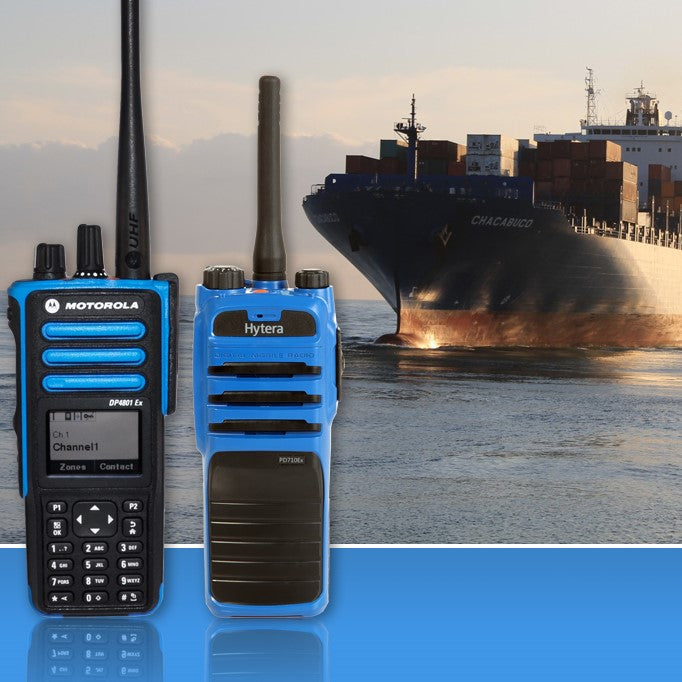
Digital two way radios, including handheld radios, have moved far beyond the traditional walkie talkies. Today, they are equipped with advanced technology and enhanced features, such as UHF and VHF communication capabilities, which make them indispensable across sectors like security, construction, hospitality, and events management. Modern push-to-talk technology further enhances their usability, offering clear, instant communication.
For instance, a long range walkie talkie is perfect for large construction sites, ensuring flawless coordination, as discussed in this article. They are equally pivotal in events and hotel management, helping maintain order and efficiency, as explored in the articles on event management and hotel efficiency.
Advantages Over Mobile Phones
Two way radio systems offer several advantages over mobile phones:
- Instant Communication: Unlike mobile networks, radio systems provide push-to-talk technology that makes communication instantaneous.
- Reliability: Radios work on secure frequencies and are not dependent on cellular networks, ensuring uninterrupted communication.
- Durability: Built to withstand tough environments, radios last longer than your average smartphone.
- Efficiency and Safety: Enhanced features ensure clear communication, essential for security teams and construction sites.
Basec Africa: Elevating Communication Standards

Basec Africa, under the umbrella of Bas Africa Solutions Ltd, spearheads the distribution of high-quality walkie talkies and two way radios in Nigeria. By providing top-notch communication solutions, Basec Africa supports security firms, event organizers, construction professionals, and many more, ensuring seamless and efficient communication.
Explore Basec Africa's product range which includes the ICOM IC-A25CE Walkie Talkie RADIO and Motorola CM160 Base Radio, proving to be invaluable tools for professionals. Additionally, our collection of Baofeng Two Way Radio Communications showcases a variety of solutions designed to meet diverse communication needs.
Moreover, for those looking to enhance their network capabilities, the Motorola MOTOTRBO MTR3000 Repeater is an excellent choice, allowing extended coverage and clarity.
Conclusion
The future of two way radio communication in Nigeria looks promising, with advancements paving the way for enhanced and efficient communication across sectors. Specialists across industries in Nigeria recognize the value of professional radio communication systems, and with companies like Basec Africa driving innovation and reliability, the communication landscape in Nigeria is set to achieve new heights.
For more information on how to equip your team with the best communication tools, visit Basec Africa.
FAQs
What are digital two-way radios?
Digital two-way radios are communication devices that allow users to send and receive voice messages over radio frequencies, utilizing digital technology for clearer audio and improved signal quality compared to traditional analog systems.
How do digital two-way radios improve communication in Nigeria?
These radios provide reliable communication in various environments, facilitating instant coordination in sectors like transportation, emergency services, and event management, especially in areas with limited cellular network coverage.
What advantages do digital radios offer over analog radios?
Digital radios offer superior sound quality, increased range, better battery efficiency, and advanced features like text messaging and GPS tracking, enhancing overall communication effectiveness in diverse operational scenarios.
Are digital two-way radios secure for sensitive communication?
Yes, digital two-way radios typically come equipped with encryption capabilities, making them more secure against eavesdropping compared to analog radios, which can be crucial for organizations handling sensitive information.
What industries in Nigeria can benefit from digital two-way radios?
Industries such as oil and gas, construction, security, logistics, and hospitality can greatly benefit from the enhanced communication capabilities of digital two-way radios, helping streamline operations and improve safety.
How do I choose the right digital two-way radio for my needs?
Consider factors such as range, battery life, durability, the required features (like GPS or text messaging), and the specific environment in which the radios will be used to select a model that best meets your operational requirements.
Is training necessary for using digital two-way radios?
While basic operation is generally straightforward, training is recommended to optimize the use of advanced features, ensure effective communication protocols, and enhance overall user proficiency in a professional setting.
Can digital two-way radios operate in remote areas of Nigeria?
Yes, many digital two-way radios are designed to perform effectively in remote areas, where cellular coverage may be weak or nonexistent, making them ideal for operations in rural or challenging environments.
What is the future outlook for digital two-way radios in Nigeria?
As technology continues to advance, we can expect further improvements in digital two-way radios, such as enhanced connectivity options, better integration with other communication systems, and greater adaptation to local needs, thereby strengthening Nigerian communication networks.

