









In the realm of event management, seamless communication is paramount. Whether you're coordinating team logistics, managing emergency responses, or ensuring the comfort and safety of attendees, effective communication can make all the difference. This is where two-way radios, commonly known as walkie talkies, come into play as a vital tool for event communication. From security personnel to logistics teams, many professionals rely on these devices for their unparalleled efficiency and reliability. Let's delve into the unique benefits that make two-way radios a preferred choice over mobile phones in event settings.
Table of Contents
- Table of Contents
- The Versatility of Two-Way Radios in Event Settings
- Types of Two-Way Radios
- Advantages Over Mobile Phones
- The Role of Basec Africa
- Conclusion
- FAQs
The Versatility of Two-Way Radios in Event Settings
Types of Two-Way Radios
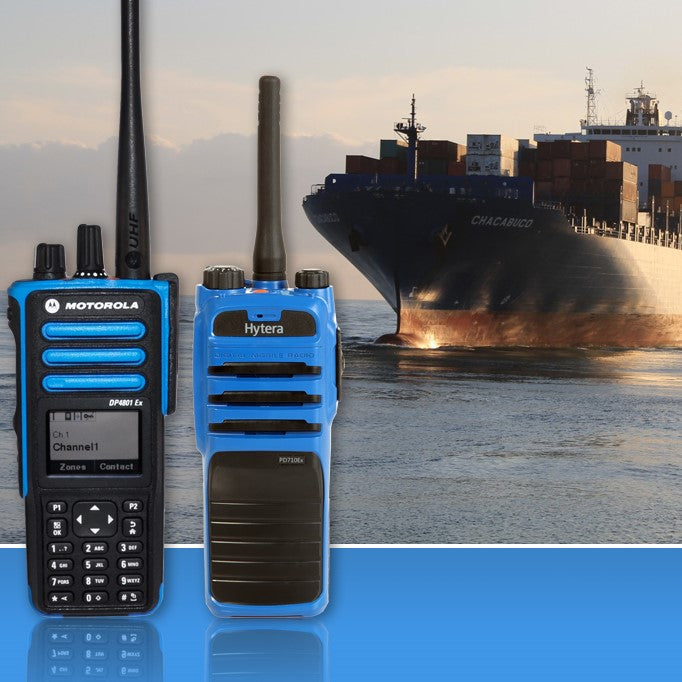
Two-way radios come in various forms to meet different communication needs:
- Handheld Radios: Compact and portable, these are perfect for on-the-go communication.
- Digital Two-Way Radios: Offering clearer audio quality and enhanced encryption, they are ideal for professional settings.
- Long-Range Walkie Talkies: These ensure communication over vast distances, making them suitable for large event venues.
- UHF and VHF Communication Radios: UHF provides better indoor coverage, while VHF is optimal for outdoor uses.
All these variations are geared to provide instant, reliable communication that's crucial during events.
Advantages Over Mobile Phones
- Instant Communication: Unlike mobile phones, two-way radios provide immediate connectivity with the press of a button, eliminating the need for dialing.
- Reliability: They operate on dedicated frequencies, ensuring less interference and dropped signals compared to mobile networks.
- Durability: Built to withstand harsh conditions, two-way radios are more robust and durable, which is ideal for active environments.
- Effective in Large Environments: With their long-range capabilities, these radios are perfect for expansive locations like large conference centers or outdoor festivals.
The Role of Basec Africa

Basec Africa, under its parent company Bas Africa Solutions Ltd, is a burgeoning player in security technology and communication solutions. They provide exceptional walkie talkies, two-way radios, and professional communication equipment across Nigeria, aiding security companies, event organizers, construction teams, and estates. Their products, such as the Kenwood TK3207/TK2207 Walkie Talkie, support efficient and safe communication, tailored to meet the diverse demands of various industries.
For those looking to enhance their event communication setup, Basec Africa offers a comprehensive selection of communication equipment, as seen in their Kenwood Digital Radios Collection and Motorola Analog Radios Collection.
Conclusion
Incorporating professional radio communication systems like those from Basec Africa into your event management strategy can significantly boost operational efficiency and safety. With options ranging from security walkie talkies to hotel staff communication radios, these devices offer unmatched versatility that mobile phones simply cannot provide. For more insights on securing optimal radio systems for your events or projects, check out our detailed guide: The Ultimate Guide to Choosing the Right Two-Way Radio System for Your Business.
Explore the powerful benefits of walkie talkies and two-way radios with Basec Africa and transform the way your events communicate. Visit Basec Africa today to find state-of-the-art communication solutions suitable for various professional settings.
FAQs
What are two-way radios?
Two-way radios are communication devices that allow users to send and receive voice messages instantly without the need for a cellular network. They operate on designated radio frequencies, making them ideal for direct communication over short to medium distances.
How do two-way radios improve event coordination?
Two-way radios enhance event coordination by facilitating real-time communication between team members. This allows for quicker decision-making, immediate updates, and efficient responses to any issues that may arise during the event.
What are the range capabilities of two-way radios?
The range of two-way radios can vary widely depending on the model and environment. Generally, they can operate effectively over distances ranging from a few hundred meters to several miles, making them versatile for both small and large events.
Can two-way radios work in crowded areas?
Yes, two-way radios can function well in crowded areas, but factors like physical obstructions and radio interference might impact their performance. Opting for a high-quality radio and choosing the right frequency can help minimize these issues in busy environments.
Are two-way radios easy to use?
Absolutely! Two-way radios are designed for user-friendliness, often featuring simple buttons and clear audio quality. Most users can learn to operate them effectively within minutes, making them accessible for all event staff.
Do I need a license to use two-way radios?
Whether you need a license to use two-way radios depends on the frequency band in use and the local regulations. Many models operate on license-free bands, but it’s essential to check the regulations specific to your area and the type of radio you are using.
Can two-way radios be used outdoors?
Yes, two-way radios are highly suitable for outdoor use, especially those designed with weather-resistant features. They provide reliable communication in various outdoor settings, such as festivals, sporting events, and large gatherings.
What is the battery life like for two-way radios?
Battery life can vary significantly among different models, but most two-way radios offer several hours to a full day of use on a single charge. Many devices also come with options for rechargeable batteries, ensuring you can stay connected for the duration of your event.
How many channels do two-way radios typically have?
Two-way radios usually come with multiple channels—often ranging from 8 to 20 or more—allowing users to switch frequencies to avoid interference and improve communication clarity. This feature is particularly useful during large events with multiple teams.

