









In today's fast-paced world, organizations constantly seek efficient communication tools. Whether you manage a security team in Nigeria, organize events in Lagos, or oversee a construction site, you'll likely weigh the options between handheld radios and mobile phones. Today, we'll explore why two-way radio communication, especially via professional walkie talkies, often surpasses mobile phones in various organizational settings.
Table of Contents
- Table of Contents
- The Power of Two-Way Radios
- Advantages Over Mobile Phones
- Types of Two-Way Radios
- Two-Way Radio Communication Systems in Nigeria
- FAQs
The Power of Two-Way Radios
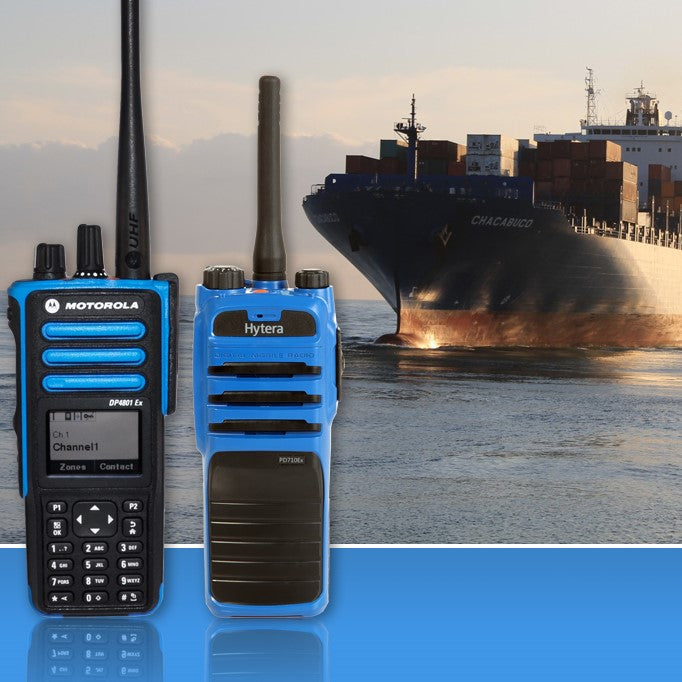
Two-way radios, such as handheld radios, digital two way radios, and long-range walkie talkies, have been instrumental for swift, clear, and reliable communications. Unlike mobile phones, two-way radios offer instant communication with just the press of a button, which is crucial in environments where speed is critical. Professional radio communication systems provide reliable connectivity across large areas, eliminating the network issues often encountered with mobile phones.
Advantages Over Mobile Phones
- Instant Communication: In urgent situations, fiddling with phone apps could waste precious minutes. Two-way radios provide push-to-talk technology, ideal for direct communication without delays.
- Durability and Reliability: Most professional walkie talkies are built to withstand harsh conditions, making them suitable for construction site communication radios and security walkie talkie applications.
- Wide Range of Use: From hotel staff to event organizers, two-way radios cater to diverse sectors. Basec Africa, through its parent company Bas Africa Solutions Ltd, specializes in providing tailored communication solutions to meet specific organizational needs.
- Cost-Effective: Using handheld two-way radios or digital two-way radios reduces overhead costs related to mobile data plans and apps, providing a more straightforward budget solution.
Types of Two-Way Radios

- Handheld Radios: These portable communication radios are handy, especially in chaotic environments. Options like the Baofeng UV9R Plus Walkie Talkie Radio provide excellent long-range capabilities.
- Digital Two-Way Radios: Featured in systems like the MOTOROLA DP-4400/DP-4401 Analog Walkie Talkie, these radios provide clear audio quality and added functionalities.
- Repeaters: Devices like the Motorola SLR1000 Repeater expand the communication reach for larger scale operations.
For a variety of high-quality products, ensure you check collections like Motorola Analog Radios and Baofeng Two Way Radio Communications.
Two-Way Radio Communication Systems in Nigeria
Basec Africa prides itself on its commitment to providing reliable security communication radios and professional communication equipment across Nigeria. As discussed in Basec Africa's Commitment to Reliable Communication Solutions for Nigerian Security Services, the systems are particularly beneficial for ensuring safety and efficiency.
For further reading about optimizing radio communications, particularly understanding UHF and VHF channels, explore Understanding UHF and VHF Channels for Effective Radio Communication.
In conclusion, while mobile phones are ubiquitous, the unique advantages of two-way radio systems cannot be overlooked, especially in professional settings requiring robust, reliable, and instant communication. Visit Basec Africa to discover how their offerings can bolster your organizational communication strategy today.
FAQs
What are the main advantages of using handheld radios over mobile phones?
Handheld radios offer immediate communication without the need for a cellular network, making them ideal for remote areas or situations with poor reception. They also provide instant communication with multiple people through group channels, enhancing team coordination during events or emergencies.
In what scenarios are mobile phones more effective than handheld radios?
Mobile phones are better for multi-functional use, as they can send texts, access the internet, and run various apps. They are often more user-friendly and suitable for personal communication or when users need to connect to a wider network and blend communication capabilities.
Can handheld radios be used in areas with no cell service?
Yes, handheld radios operate on specific frequencies and do not rely on cellular signals. This makes them highly effective in remote locations or during disasters when cellular networks may be down.
How do battery lives compare between handheld radios and mobile phones?
Handheld radios typically have longer battery lives during constant use compared to mobile phones, especially when used in power-saving modes. For extended operations, many radios also support rechargeable batteries that can endure long shifts without frequent recharging.
Are handheld radios more cost-effective than mobile phones for organizations?
Generally, handheld radios can be more cost-effective in settings where continuous communication is necessary. They require fewer subscriptions, and group functionalities eliminate the need for multiple phone lines, especially for larger teams.
What communication range do handheld radios provide compared to mobile phones?
Handheld radios usually have a defined range depending on the model and terrain, which can vary from a few miles to several tens of miles. Mobile phones, while able to connect almost anywhere with cellular coverage, may not perform well in very remote areas.
Can handheld radios and mobile phones be used together in an organization?
Absolutely! Many organizations have found it beneficial to use both handheld radios for immediate team communication in specific environments, while mobile phones can handle more versatile personal and external communications.
Are there specific industries that benefit more from using handheld radios?
Yes, industries like security, construction, hospitality, and emergency services often benefit from handheld radios due to their durability, immediate communication capabilities, and ability to operate efficiently in areas without phone coverage.
Is it difficult to train employees to use handheld radios effectively?
Training employees to use handheld radios is usually straightforward, as they are designed for user-friendly operation. Many organizations offer brief training sessions that cover basic functionalities, ensuring that employees can quickly adapt to using them effectively.

