









In today's fast-paced world, efficient communication is the backbone of successful operations across various industries. Among the tools available, portable communication radios stand out as indispensable devices for enhancing operational communication. From security teams in Nigeria to event management in Lagos, and from hotel staff to construction crews, the use of two-way radios, commonly known as walkie talkies, has proven to be invaluable.
Table of Contents
- Table of Contents
- The Importance of Two-Way Radio Communication
- Types of Portable Communication Radios
- Handheld Radios
- Digital Two-Way Radios
- Long-Range Walkie Talkies
- UHF and VHF Communication Radios
- Push-to-Talk Technology
- Basec Africa's Contribution to Professional Radio Communication
- Conclusion
- FAQs
The Importance of Two-Way Radio Communication
Two-way radio communication offers distinct advantages over mobile phones, particularly in professional settings where quick, reliable, and clear communication is vital. Here's why organizations are increasingly relying on them:
- Instantaneous Communication: Unlike mobile phones, professional walkie talkies facilitate real-time communication without the delay of dialing numbers.
- Unmatched Reliability: Designed for durability, even in rugged environments, handheld two-way radios remain operational when cell networks fail.
- Cost-Effective: There are no recurring charges or bills, making this option economically viable for businesses.
- Enhanced Security: Digital two-way radios with encryption provide secure communication channels, pivotal in security operations.
Types of Portable Communication Radios
Handheld Radios
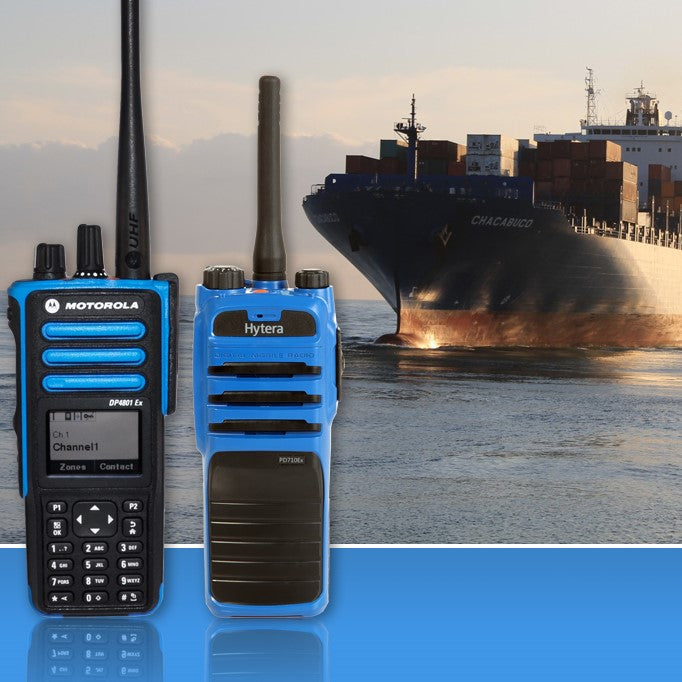
The quintessential tool for clear and direct communication, handheld radios are portable and easy to use. They are perfect for security communication in Nigeria and are widely used by security companies, event organizers, and hotel staff.
Digital Two-Way Radios

Digital technology enhances sound clarity even in noisy environments and allows for additional features like GPS tracking. The Motorola DP540 Digital Portable Walkie Talkie is an excellent example of an advanced digital radio suited for diverse operations.
Long-Range Walkie Talkies
Ideal for large operational environments like construction sites, long-range walkie talkies ensure communication over extended distances without signal loss.
UHF and VHF Communication Radios
Both UHF and VHF radios are tailored to specific operational needs, with UHF being preferable for indoor environments and VHF performing better outdoors in open spaces.
Push-to-Talk Technology
Modern walkie talkies with push-to-talk technology enable seamless communication at the push of a button, combining ease of use with reliability.
Basec Africa's Contribution to Professional Radio Communication
Basec Africa, a leader in security technology solutions under Bas Africa Solutions Ltd, offers a range of high-quality two-way radios to meet various professional needs. Whether you're looking to buy walkie talkie in Nigeria, enhance event communication, or optimize hotel staff communication, Basec Africa has you covered.
Explore our collections like Baofeng Handheld Walkie Talkies and ICOM Handheld Walkie Talkies to find equipment that matches your needs.
For event management insights, read our article on Effective Strategies for Using Walkie Talkies in Event Management.
Conclusion
In conclusion, portable communication radios are transforming operational communication by offering instantaneous, secure, and reliable connectivity. Basec Africa remains at the forefront of this technological evolution, providing cutting-edge solutions tailored to the diverse needs of businesses across Nigeria. For more details on our products and services, visit Basec Africa's Website.
FAQs
What are portable communication radios?
Portable communication radios are handheld devices that allow users to communicate over radio frequencies. They are widely used in various industries for real-time communication and coordination, making them essential for operational efficiency.
How do portable communication radios enhance communication in the workplace?
These radios provide instant communication, enabling teams to share updates, coordinate tasks, and respond to emergencies more effectively. With clear audio quality and minimal delay, they facilitate prompt decision-making.
What environments are portable communication radios best suited for?
Portable communication radios are ideal for environments such as construction sites, security operations, events management, and outdoor activities. They perform well in challenging conditions where cell phone signals may be unreliable.
Can portable communication radios work without cell service?
Yes, portable communication radios operate on radio frequencies and do not rely on cellular networks, making them a reliable choice for areas with limited or no mobile service.
How far can portable communication radios communicate?
The communication range of portable radios varies based on the model and environmental conditions. Generally, they can transmit signals from a few miles to over twenty miles in open areas, though obstacles like buildings may reduce range.
Are portable communication radios easy to operate?
Yes, most portable communication radios are designed for user-friendliness. They typically feature simple controls and intuitive interfaces, making it easy for users to communicate quickly without extensive training.
Do portable communication radios require special licensing?
In many regions, using certain frequencies may require a license. It’s important to check local regulations to ensure compliance before operating portable communication radios in specific areas.
What features should I look for in portable communication radios?
Key features to consider include battery life, range, durability, weather resistance, and additional functionalities such as emergency alerts, privacy codes, and programmable channels.
How can I ensure the best performance from portable communication radios?
To maximize performance, keep the radios charged, maintain clear line-of-sight when communicating, and select the appropriate channels based on the environment. Regularly inspecting equipment also helps ensure functionality.

