


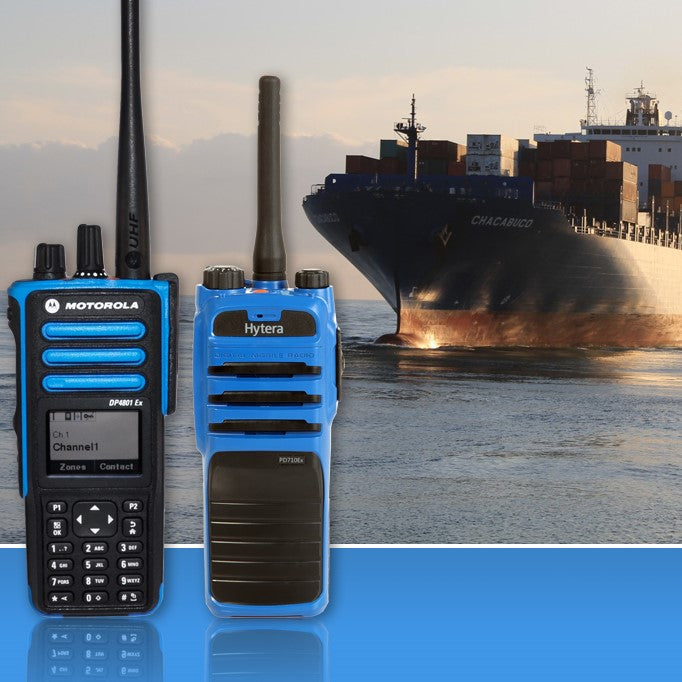

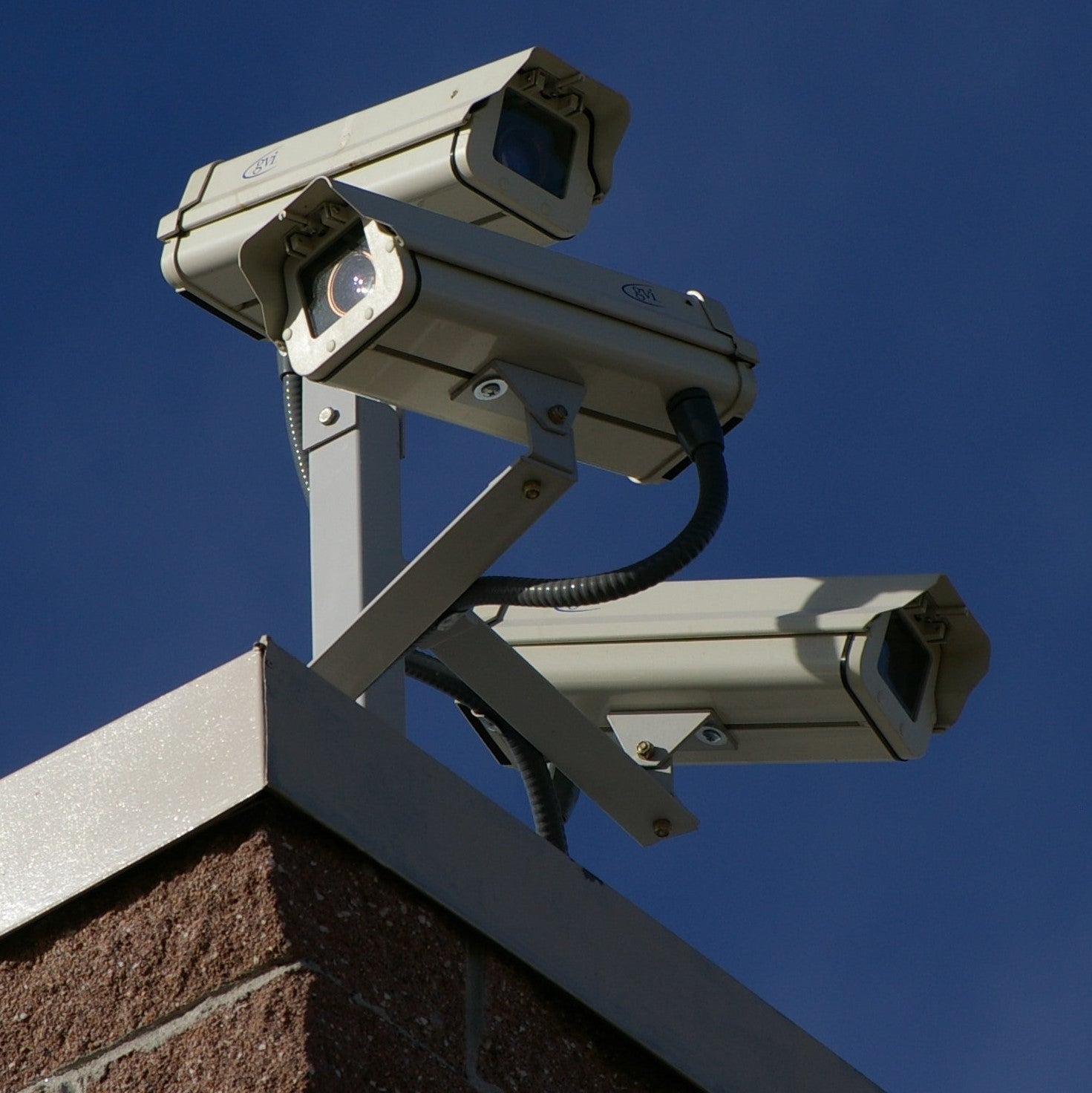

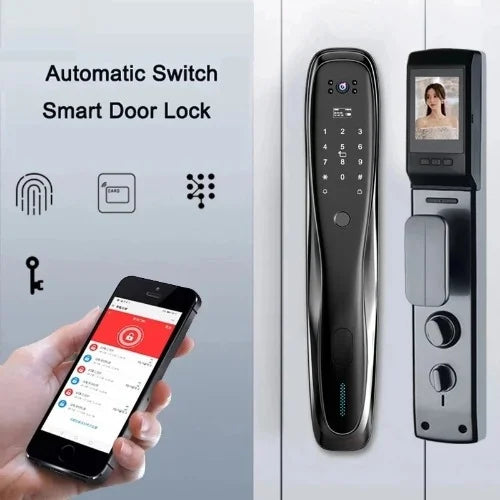





In today's fast-paced world, the need for seamless communication is paramount, especially in event coordination. From security teams to hotel staff, the reliance on portable communication radios cannot be overstated. These devices, ranging from the ubiquitous walkie talkie to sophisticated digital two-way radios, offer unparalleled advantages. Whether you're organizing a sprawling event in Lagos or a construction project in Nigeria, a professional radio communication system is indispensable.
Table of Contents
- Table of Contents
- The Power of Two-Way Radios
- Why Choose Two-Way Radios Over Mobile Phones?
- Basec Africa: Your Partner in Communication Solutions
- Featured Products
- Insightful Reads
- FAQs
The Power of Two-Way Radios
The term "two way radio" encompasses a variety of communication devices including handheld two-way radios, digital radios, long-range walkie talkies, and UHF/VHF radios. Each type offers its unique benefits:
- Handheld Two-Way Radios: These are portable and convenient, making them ideal for quick, on-the-go communication.
- Digital Two-Way Radios: With superior audio clarity and enhanced features, they are perfect for professional settings where precision is essential.
- Long Range Walkie Talkies: Essential for vast areas, ensuring communication over several kilometers without drop-offs.
- UHF and VHF Radios: Tailored for different environments, with UHF being superior in urban settings and VHF ideal for open spaces.
Why Choose Two-Way Radios Over Mobile Phones?
While mobile phones are pervasive, they have limitations. In contrast, professional walkie talkies and communication radios provide:
- Instant Communication: Push-to-talk technology allows for immediate connectivity without the latency of phone calls.
- Reliability: Two-way radios remain operational even when mobile networks are down.
- Durability: Constructed to withstand the rigors of industrial use, they outperform regular mobile devices in harsh environments.
- Efficiency: Streamlined for group communication and coordination, two-way radios enhance operational efficiency in large venues.
Basec Africa: Your Partner in Communication Solutions
Basec Africa has emerged as a leader in providing top-notch security communication radios in Nigeria. As a part of Bas Africa Solutions Ltd, they deliver high-quality two way radios that cater to diverse needs, from security teams in hotels to construction site operations.
Discover Basec Africa's offerings and how their solutions can revolutionize your communication strategies on their website.
Featured Products

Explore some of the high-performance products available at Basec Africa:
- ICOM IC-A16E ProX Walkie Talkie – 6W Handheld Aviation Radio with Bluetooth & Ultra-Loud Audio
- Motorola DP-4401E/4400E Professional Digital Two-Way Radio
- Icom V-86 Walkie Talkie
Explore their extensive range in the Communication Equipment Collection to find the ideal device for your needs.
Insightful Reads
For a deeper understanding, we recommend reading these related articles:
- The Role of Long Range Walkie Talkies in Construction Site Safety
- How Professional Walkie Talkies Improve Efficiency in Lagos Hotels
- Understanding Two-Way Radio Communication in the Nigerian Security Sector
In conclusion, embracing portable communication radios for event coordination enhances effectiveness, safety, and coordination. With Basec Africa as your partner, secure the best tools to elevate your team’s communication proficiency.
FAQs
What are portable communication radios and how do they work?
Portable communication radios are handheld devices that allow users to communicate wirelessly over short to medium distances. They operate on specific frequency bands and can transmit and receive voice messages, often providing clear communication even in noisy environments.
Why should I choose portable radios over smartphones for event coordination?
Portable radios offer several advantages, including immediate communication without the need for cellular service, longer battery life, and the ability to communicate with multiple users simultaneously. They are also more durable and can function in areas with poor network coverage.
How can portable communication radios enhance team coordination during events?
These radios allow team members to stay connected in real-time, facilitating quick decision-making and better collaboration. They can help coordinate efforts efficiently, manage logistics, and ensure that everyone is informed about changes or emergencies.
What features should I look for in portable communication radios for event use?
When selecting portable radios for events, consider factors such as range, battery life, durability, ease of use, and additional features like weather resistance, earpiece compatibility, and multiple channels for managing different groups.
How many radios do I need for my event?
The number of radios required will depend on the size of your team and the event's complexity. It's beneficial to equip all key personnel, including event managers, security, and logistics staff, with radios to ensure effective communication.
Can portable communication radios be used in large outdoor events?
Yes, many portable radios are designed for extended range, making them suitable for large outdoor events. It's important to choose models that specify their effective range and perform well in open spaces.
Are there any licensing requirements for using portable communication radios?
Depending on your location and the frequency range used, you may need to obtain a license to operate certain types of radios. It's advisable to check local regulations to ensure compliance.
How do I ensure clear communication with portable radios in a noisy environment?
To enhance communication clarity, consider using radios with noise-cancelling features or earpieces. Moreover, training users on proper microphone techniques and encouraging them to find quiet locations for important discussions can help reduce background noise interference.
How can I coordinate the use of radios among multiple teams at an event?
Establish clear communication protocols, assign specific channels for different teams, and conduct a briefing before the event to ensure everyone understands how to use their radios effectively and what protocols to follow during operations.

