









In the fast-paced world of security and communications, having a reliable and effective method of communication is crucial. In Nigeria, security teams are increasingly turning to modern communication solutions like digital two-way radios, which offer a vast range of advantages over traditional mobile phones. Using two-way radio communication systems, particularly for professional needs, ensures that security operations are conducted smoothly, safely, and efficiently.
Table of Contents
- Table of Contents
- Types of Two-Way Radios
- The Advantages of Professional Radio Communication
- Basec Africa: Your Communication Partner
- FAQs
Types of Two-Way Radios

When it comes to two-way radios, there is a variety of options available that cater to different needs. Here are some popular types:
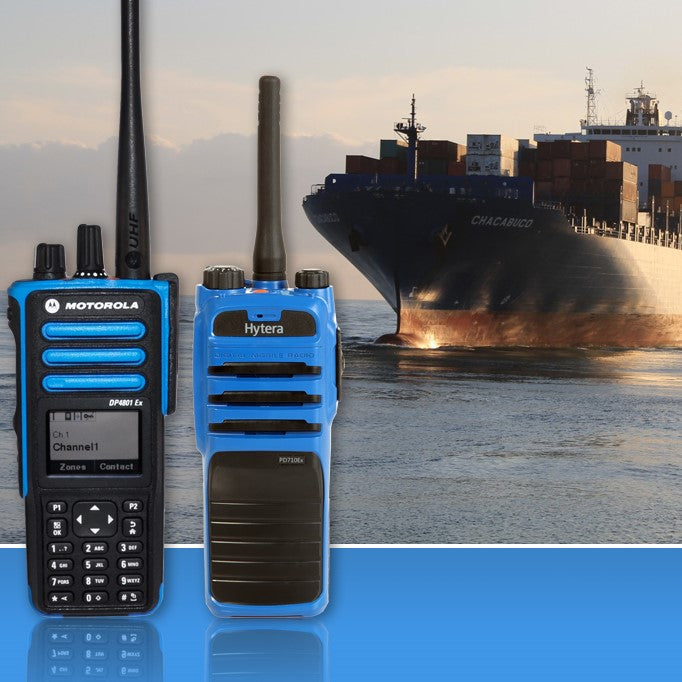
- Handheld Radios: These are portable and easy to carry, making them ideal for security personnel on the move. Products like the Baofeng UV82 Walkie Talkie and Motorola GP340 Walkie Talkie provide robust options for handheld radio communication.
- Digital Two-Way Radios: Offering clearer audio and greater range, digital radios are perfect for large teams operating over vast areas. Radios like the Motorola DM4400/4401e Base Radio demonstrate the powerful capabilities of digital two-way communications.
- Long-Range Walkie Talkies: Essential for extensive operations, long-range radios ensure communication is maintained across vast distances without loss of clarity or privacy.
- UHF and VHF Communication Radios: These radios are tuned to specific frequencies allowing for reliable communications even in challenging environments.
- Modern Push-to-Talk Technology: This technology enables teams to communicate instantly without the delays often associated with mobile networks.
The Advantages of Professional Radio Communication
Unlike mobile phones, professional walkie talkies, and two-way radios provide instant communication, which is vital during emergency situations. They also boast superior reliability; while cell networks may fail or become congested, radio communication systems keep working. Radios are known for their durability, designed to withstand harsh conditions, making them perfect for field operations.
Security teams, construction sites, and event coordinators can benefit greatly from these devices due to their efficiency in large operational environments. High-quality two-way radios, like those offered by Basec Africa, make a significant difference by providing reliable communication solutions built for safety and effectiveness.
Basec Africa: Your Communication Partner

Basec Africa, a subsidiary of Bas Africa Solutions Ltd, is at the forefront of providing cutting-edge security communication radios and devices. From Bontel A8 Walkie Talkies to the latest Motorola analog radios, Basec Africa offers comprehensive solutions for security companies, event organizers, and construction teams.
Their Communication Equipment Collection encompasses a broad range of professional communication equipment tailored to meet the diverse demands of Nigeria's security landscape.
For more in-depth insights, you can explore related articles such as Modern Applications of Long Range Walkie Talkies in Security and Event Management or Basec Africa's Role in Advancing Radio Communication Solutions for Nigerian Markets.
Embrace the power of two-way radios in enhancing security operations with Basec Africa's reliable and efficient radio communication solutions.
FAQs
What are digital two-way radios and how do they work?
Digital two-way radios are communication devices that allow users to transmit and receive audio signals over radio waves. They convert voice into digital data, ensuring clearer audio quality and a more secure communication channel compared to analog radios.
What are the main advantages of using digital two-way radios for security teams?
Digital two-way radios offer superior audio clarity, better battery life, and enhanced encryption for secure communication. They also provide features like GPS tracking, text messaging, and group calling, which are crucial for efficient team coordination.
How do digital two-way radios improve communication during emergencies?
In emergency situations, digital two-way radios allow for instant communication without the interference often found in standard radio systems. Their ability to connect multiple users simultaneously ensures that security teams can respond quickly and effectively.
Are digital two-way radios more reliable than traditional radios?
Yes, digital two-way radios are generally more reliable than traditional analog radios. They are less susceptible to interference and provide clearer sound quality, even in challenging environments, which is essential for security operations.
Can digital two-way radios be integrated with other security systems?
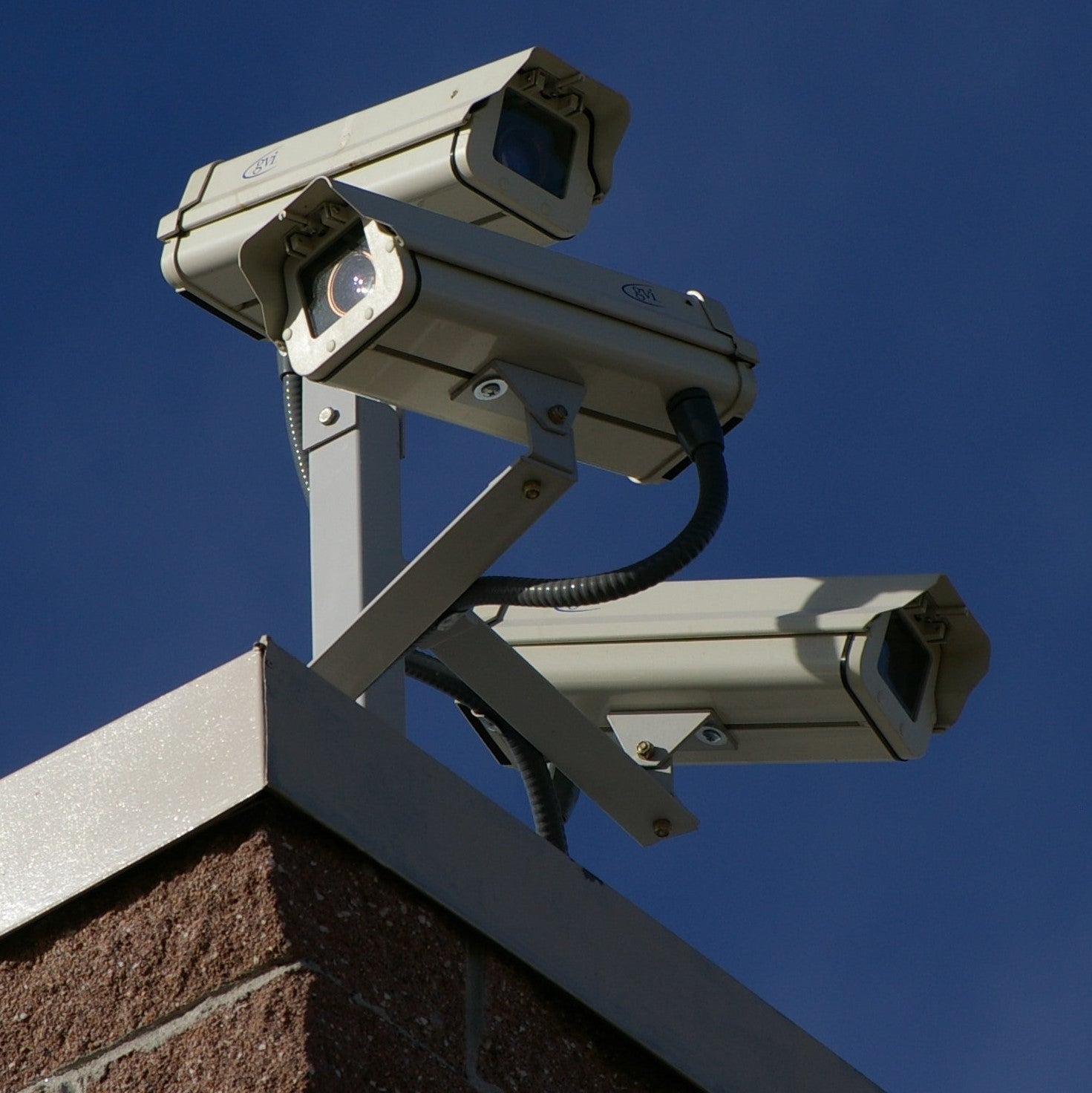
Absolutely! Many digital two-way radios can be integrated with other security systems, such as surveillance cameras and alarm systems. This integration enhances situational awareness, allowing security teams to respond more efficiently.
What is the battery life like for digital two-way radios?
Digital two-way radios typically have a longer battery life compared to their analog counterparts. Depending on usage and settings, some models can operate for an entire shift without needing a recharge, ensuring continuous communication.
How does encryption work in digital two-way radios?
Encryption in digital two-way radios transforms voice data into a coded format that can only be understood by authorized users. This feature protects sensitive information and prevents eavesdropping by unauthorized individuals.
What considerations should be made when choosing digital two-way radios for a security team?
When selecting digital two-way radios, consider factors such as coverage area, battery life, durability, ease of use, and additional features like GPS or text messaging. Assessing the specific needs of your security team is crucial for optimal performance.
Are there any training requirements for using digital two-way radios?
Training is generally recommended to ensure that all team members are familiar with the features and functionalities of digital two-way radios. This training can cover basic operations, emergency protocols, and best practices for effective communication.

