









In today's fast-paced world, reliable communication is more crucial than ever, especially in demanding environments such as security operations, construction sites, and large-scale events. In Nigeria, the implementation of UHF and VHF communication radios is transforming how industries communicate, offering superior solutions compared to conventional mobile phones. Here's a closer look at the advantages of two-way radios and how they are redefining professional communication.
Table of Contents
- Table of Contents
- Exploring Two-Way Radios: Handheld and Digital Solutions
- Instant and Reliable Communication
- Durability and Professional Performance
- Broad Range and Coverage
- Basec Africa: Enhancing Communication Solutions in Nigeria
- Conclusion
- FAQs
Exploring Two-Way Radios: Handheld and Digital Solutions
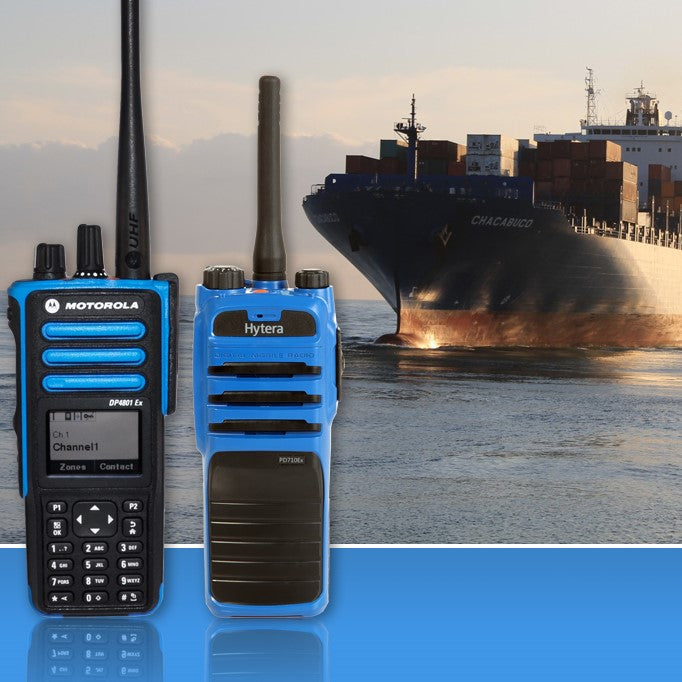
Two-way radios, often known as walkie-talkies, serve as essential tools for effective communication across various sectors. These devices are categorized into several types, including handheld two-way radios, digital two-way radios, and long-range walkie talkies. In particular, the choices between UHF and VHF communication radios allow users to select the best frequency for their environment—UHF for indoor usage and dense urban areas, and VHF for open, outdoor environments.
Instant and Reliable Communication
One of the standout benefits of using two-way radios is their ability to provide instant communication. Unlike mobile phones that depend on network towers, two-way radios offer direct, immediate communication channels that ensure your message is relayed without delay. This feature is essential for security teams, event managers, and construction supervisors who require real-time, uninterrupted communication.
Durability and Professional Performance

Professional walkie-talkies and communication radios are designed to withstand harsh conditions, making them more durable than mobile phones. This quality is particularly beneficial in environments such as construction sites in Lagos, where rugged and resilient devices are necessary for effective communication. Products like the MOTOROLA DP-4401E/4400E Professional Digital Two-Way Radio and the Motorola Dp1400 Walkie Talkie exemplify this durability and reliability.
Broad Range and Coverage
When assessing communication tools, having a wide range of coverage is crucial. Long-range walkie talkies offer extended coverage that surpasses what mobile networks can provide, especially in areas with limited reception. This feature guarantees seamless communication for security teams and event organizers who need unbroken communication across vast areas.
Basec Africa: Enhancing Communication Solutions in Nigeria

Basec Africa, a subsidiary of Bas Africa Solutions Ltd, is at the forefront of providing high-quality two-way radios and professional communication equipment in Nigeria. Catering to the needs of security companies, event organizers, and construction teams, Basec Africa offers an array of products designed for efficiency and safety.
Products like the ICOM IC-V80 / IC-V8 Walkie Talkie radio demonstrate Basec Africa's commitment to delivering versatile communication solutions that enhance operational efficiency and improve safety standards. Whether you're in Lagos or elsewhere in Nigeria, Basec Africa's offerings ensure reliable communication tailored to your specific industry needs.
Conclusion
Implementing UHF and VHF communication radios in Nigeria is more than just a technological shift; it is an evolution towards more efficient, reliable, and secure communication. Two-way radio communication systems provide unmatched benefits such as instant connectivity, robustness in challenging environments, and extensive coverage, making them indispensable tools for professional communication. For organizations aiming to enhance their operational communication, investing in devices from trusted providers like Basec Africa is a strategic decision that promises long-term benefits.
Explore more about Basec Africa's solutions on their website.
FAQs
What are UHF and VHF communication radios?UHF (Ultra High Frequency) and VHF (Very High Frequency) radios are two types of two-way communication devices that operate on different frequency bands. UHF radios typically range from 300 MHz to 3 GHz, while VHF radios work between 30 MHz and 300 MHz. Both are widely used for personal, commercial, and emergency communication.
How do UHF and VHF radios differ in performance?UHF radios are generally better for urban environments with dense buildings and obstacles, as they have shorter wavelengths allowing for better penetration through structures. VHF radios, on the other hand, are more effective over longer distances in open areas, providing clearer signals when line-of-sight communication is possible.
What are the main advantages of using UHF and VHF radios in Nigeria?Implementing UHF and VHF radios in Nigeria offers several advantages, such as improved communication in remote areas, enhanced coordination during emergencies, reliable communication for businesses in rugged terrains, and overall better safety for both individuals and organizations.
How can UHF and VHF radios contribute to emergency response in Nigeria?UHF and VHF radios can significantly enhance emergency response by providing reliable communication channels during crises, such as natural disasters or security incidents. These radios allow first responders to coordinate effectively, share vital information, and ensure timely assistance reaches those in need.
Are UHF and VHF radios suitable for personal use?Yes, UHF and VHF radios are suitable for personal use, especially for outdoor enthusiasts, event organizers, and individuals who require reliable communication in areas with poor cellular coverage. They are especially useful for activities like hiking, camping, or community events where instant communication is crucial.
What is the cost of implementing communication radios in Nigeria?The cost of implementing UHF and VHF communication radios in Nigeria can vary widely based on factors such as type, features, and brand. While initial investment may be significant, the long-term benefits in terms of enhanced communication efficiency and safety often outweigh these costs.
How can businesses benefit from UHF and VHF communication systems?Businesses can benefit from UHF and VHF communication systems by achieving clearer and more immediate communication among staff, increasing operational efficiency, and improving response times to customer needs or emergencies. These systems facilitate streamlined workflows and promote a safer working environment.
Is training necessary for effective use of UHF and VHF radios?While basic operation of UHF and VHF radios is relatively straightforward, proper training can significantly enhance their effectiveness. Training ensures users are aware of best practices, operational protocols, and emergency procedures, ultimately leading to better communication outcomes in critical situations.
What is the durability of UHF and VHF radios in challenging environments?UHF and VHF radios are generally designed to withstand rugged conditions and are built to be durable. Many models are resistant to water, dust, and impact, making them suitable for use in challenging environments commonly found in various regions of Nigeria.

