










In the fast-paced world of construction, ensuring the safety and efficiency of operations is paramount. Among the numerous technologies that have transformed this sector, long-range walkie talkies stand out significantly. These portable communication radios not only facilitate seamless communication but also play a crucial role in enhancing the safety and efficiency of construction sites.
Table of Contents
- Table of Contents
- The Importance of Two-Way Radio Communication
- Types of Two-Way Radios
- Advantages Over Mobile Phones
- Basec Africa: Leading the Way in Professional Communication Solutions
- Conclusion
- FAQs
The Importance of Two-Way Radio Communication
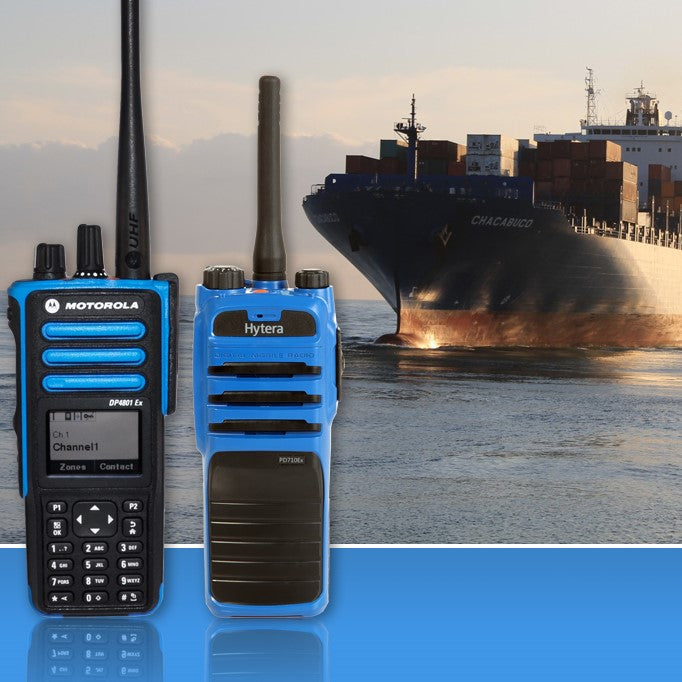
Unlike mobile phones, two-way radios such as handheld walkie talkies and digital two-way radios offer instant communication, a crucial factor in time-sensitive environments like construction sites. Professional walkie talkies are designed to be durable and reliable, making them an essential tool for construction teams. Whether it's a long-range walkie talkie or a digital two-way radio, these devices are perfect for handling the demands of large operational environments.
Types of Two-Way Radios
- Handheld Radios: These are compact, easy to carry, and ideal for individual use. They offer flexibility and mobility around the site.
- Long-Range Walkie Talkies: Perfect for large construction sites, these radios ensure communication over extended distances, ensuring that teams remain connected regardless of their location.
- Digital Two-Way Radios: With advanced features like noise-cancellation and clearer signals, these radios are increasingly preferred across various industries.
- UHF and VHF Radios: While UHF radios offer better penetration through steel and concrete, VHF radios are ideal for outdoor use over large distances.
- Push-to-Talk Technology: Modern push-to-talk radios offer instant communication with the press of a button, streamlining communication channels and enhancing efficiency.
Advantages Over Mobile Phones
Two-way radios are built for rugged environments, unlike mobile phones. Their benefits in the construction sector include:
- Immediate Communication: Instant connection without the need to dial numbers or deal with connectivity issues.
- Durability: Designed to withstand harsh environments, two-way radios are resilient to dust, water, and physical impact.
- Group Communication: Enable teams to broadcast messages to multiple users simultaneously, ensuring that all members are on the same page.
- Cost-Effectiveness: No additional costs per call or message, making it a budget-friendly communication solution.
Basec Africa: Leading the Way in Professional Communication Solutions

Basec Africa, a subsidiary of Bas Africa Solutions Ltd, is a leading provider of high-quality walkie talkies, two-way radios, and professional communication equipment in Nigeria. With a focus on security communication radios and long-range walkie talkies, Basec Africa supports various sectors, including security teams, event organizers, hotel staff, and construction teams, ensuring efficient and safe operations.
For instance, the Icom V-86 Walkie Talkie and Motorola GP340 Walkie Talkie are among the top choices for construction sites due to their superior range and reliability.
Explore more communication solutions in our collections:
Conclusion
Long-range walkie talkies are pivotal in maintaining the safety and efficiency of construction operations. Investing in professional radio communication systems ensures that construction teams operate smoothly and safely, even in challenging environments. Explore more insights and products at Basec Africa.
For more on radio communication in Nigeria’s bustling environments, check out these articles:
- How Professional Radio Communication Bolsters Security Operations in Lagos
- Unlocking the Potential of Two-Way Radios for Event Coordination in Nigeria
FAQs
What are long-range walkie talkies and how do they work?
Long-range walkie talkies are two-way radio communication devices designed to facilitate communication over extended distances. They operate by transmitting radio signals between devices, allowing users to communicate clearly without relying on cellular networks.
How can long-range walkie talkies improve safety on construction sites?
These devices enhance safety by enabling instant communication among workers and supervisors, allowing for quick reporting of hazards, coordination during emergencies, and improved overall situational awareness, which can significantly reduce the risk of accidents.
What features should I look for in a long-range walkie talkie for construction use?
When selecting a walkie talkie for construction, consider durability (water and dust resistance), battery life, range, ease of use with gloves, and features like noise cancellation, multiple channels, and emergency alert options, which can enhance functionality on job sites.
Are long-range walkie talkies more reliable than mobile phones on construction sites?
Yes, long-range walkie talkies often prove more reliable than mobile phones on construction sites because they do not depend on cellular signals, which can be weak or non-existent in remote areas. They provide immediate communication without distractions from apps or notifications.
Can long-range walkie talkies be used with headsets or earpieces?
Yes, many long-range walkie talkies are compatible with headsets or earpieces, allowing for discreet communication while minimizing background noise. This can be particularly useful in noisy construction environments.
How do long-range walkie talkies contribute to increased efficiency on construction sites?
By facilitating real-time communication among team members, long-range walkie talkies streamline task coordination, reduce downtime, and enhance collaborative efforts. This can lead to faster project completion and increased productivity.
What is the typical range of long-range walkie talkies used in construction?
The range of long-range walkie talkies can vary significantly depending on the model and environmental conditions. Many models have ranges from a few miles to over 30 miles in open areas, although physical obstructions may reduce this distance.
Are there any regulations regarding the use of walkie talkies on construction sites?
While there are generally no specific regulations prohibiting the use of walkie talkies on construction sites, it is essential to follow local communications and safety regulations. Employers should also provide training on effective communication practices.
How do I maintain my long-range walkie talkies for optimal performance?
To maintain optimal performance, regularly check the battery, keep devices clean, store them in a dry place, and avoid exposing them to extreme temperatures. Additionally, periodic assessments of range and audio quality can help identify any issues early.

