


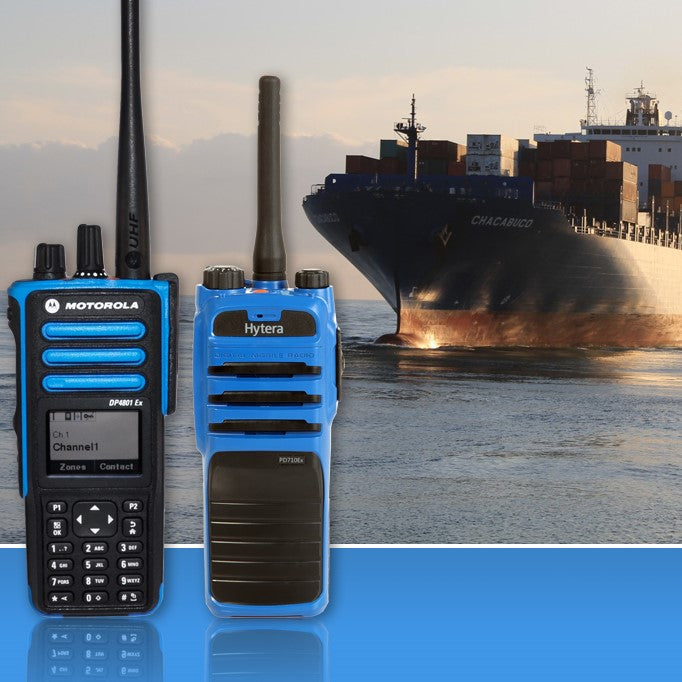








In the dynamically evolving field of construction, effective communication is a cornerstone of safety and efficiency. Digital two-way radios play a pivotal role in ensuring seamless communication across vast construction sites. As the complexity of construction operations increases, the demand for reliable communication solutions such as handheld two-way radios, long-range walkie talkies, and professional radio communication systems continues to rise.
Table of Contents
- Table of Contents
- Why Choose Two-Way Radios Over Mobile Phones?
- Types of Two-Way Radios for Construction Sites
- Basec Africa: Your Partner in Communication
- Learn More
- FAQs
Why Choose Two-Way Radios Over Mobile Phones?
When it comes to choosing between traditional mobile phones and professional walkie talkies for construction site communications, the advantages of using two-way radios are clear. These portable communication radios offer:
- Instant Communication: Unlike mobile phones, which often require dialing and waiting for connections, two-way radios provide immediate communication with the push of a button.
- Reliability in Remote Areas: Two-way radios, including UHF and VHF communication radios, are particularly effective in areas with poor cellular coverage, ensuring uninterrupted communication.
- Durability and Ruggedness: Designed to withstand harsh environments, these radios are both dust-resistant and water-resistant, making them ideal for construction sites.
- Cost-Effectiveness: With no ongoing call charges, two-way radios are a more cost-effective solution compared to mobile phones, especially in large team operations.
Types of Two-Way Radios for Construction Sites

Various types of two-way radios are available, each with distinct advantages:
- Handheld Two-Way Radios: Compact and portable, these are the go-to devices for construction workers, offering mobility without sacrificing functionality.
- Digital Two-Way Radios: Featuring enhanced audio quality and security, digital radios are essential for clear and secure communications.
- Long-Range Walkie Talkies: Necessary for expansive sites, these radios enable communication across wide distances, ensuring every team member is connected.
For those interested in high-quality handheld radios, the Baofeng UV9R Plus Walkie Talkie Radio offers an exceptional range and durability.
Basec Africa: Your Partner in Communication
At Basec Africa, we understand the critical role of communication in construction. As a leading provider of security technology and communication solutions, and under our parent company, Bas Africa Solutions Ltd, we offer an array of high-quality two-way radios in Nigeria. From providing solutions for security teams to equipping event organizers and construction staff, we are dedicated to supporting safety and efficiency.
Explore our range of Communication Equipment to find the perfect radio solution for your needs. Our products are specially designed to cater to various sectors, including Motorola Handheld Walkie Talkies and Baofeng Two Way Radio Communications.
Learn More

Discover more about the impact of long-range walkie talkies and their transformative effect on large-scale construction site communication in our detailed article on How Long Range Walkie Talkies Transform Communication in Large Scale Construction Sites.
For professionals looking to elevate their operational efficiency, investing in reliable two-way radios like the Motorola Talkabout T107/T200 Walkie Talkie is crucial.
Explore our offerings and enhance your communication capabilities today with Basec Africa, where securing communication solutions meet professionalism and reliability.
FAQs
What are digital two-way radios used for on construction sites?
Digital two-way radios are essential for enabling instant and reliable communication among workers, supervisors, and management on construction sites. They facilitate coordination, improve safety, and enhance productivity by allowing real-time updates and information sharing.
How do digital two-way radios improve safety on construction sites?
These radios enhance safety by allowing quick communication in emergencies. Workers can instantly report hazards or accidents, ensuring swift responses and reducing the risk of injuries. Clear communication helps maintain safety protocols and keep everyone informed about potential dangers.
What advantages do digital two-way radios offer over traditional analog radios?
Digital radios provide better sound clarity, improved range, and reduced interference. They also have advanced features like encryption for secure communications, longer battery life, and the capability to connect to other digital communication systems, making them more efficient for modern construction needs.
Are digital two-way radios suitable for all types of construction projects?
Yes, digital two-way radios can be beneficial for various construction projects, from small sites to large infrastructure developments. Their adaptability, durability, and functionality make them suitable for different environments and needs on construction sites.
What features should I look for when choosing digital two-way radios for a construction site?
When selecting digital two-way radios, consider features such as weather resistance, battery life, range, audio quality, group calling capabilities, and additional functionalities like GPS tracking or emergency alerts to ensure they meet the demands of your specific construction environment.
Can digital two-way radios be integrated with other communication tools?
Yes, many digital two-way radios can be integrated with other communication tools, such as smartphones or project management software. This interoperability enhances collaboration and ensures that teams can stay connected across various platforms.
How many channels do I need for effective communication on a construction site?
The number of channels needed depends on the size of the crew and the complexity of the project. Generally, multiple channels are recommended to accommodate different teams and tasks, reducing congestion and ensuring clear communication without interference.
What is the typical range of digital two-way radios on construction sites?
The range of digital two-way radios varies based on the model and environmental factors. Generally, they can operate effectively within a few miles in open areas, but this range may be reduced in urban settings or densely packed construction sites.
Do I need special training to use digital two-way radios?
While they are generally user-friendly, providing basic training on how to operate digital two-way radios, including features and protocols, is recommended. This ensures that all team members can effectively communicate and maximize the benefits of the radios.

