









In the realm of radio communication, especially when dealing with two-way radios such as walkie talkies, the choice between UHF (Ultra High Frequency) and VHF (Very High Frequency) channels can significantly impact performance. For those utilizing a two-way radio communication system, understanding these channels is crucial for efficiency, whether you are part of a security team in Nigeria or need reliable communication for large events.
Table of Contents
- Table of Contents
- The Basics of UHF and VHF Channels
- Choosing the Right Two-Way Radio
- Recommended Products
- Advantages Over Mobile Phones
- Why Basec Africa?
- Relevant Links:
- FAQs
The Basics of UHF and VHF Channels
UHF and VHF are the two primary types of frequency bands used in professional walkie talkies and other portable communication radios.
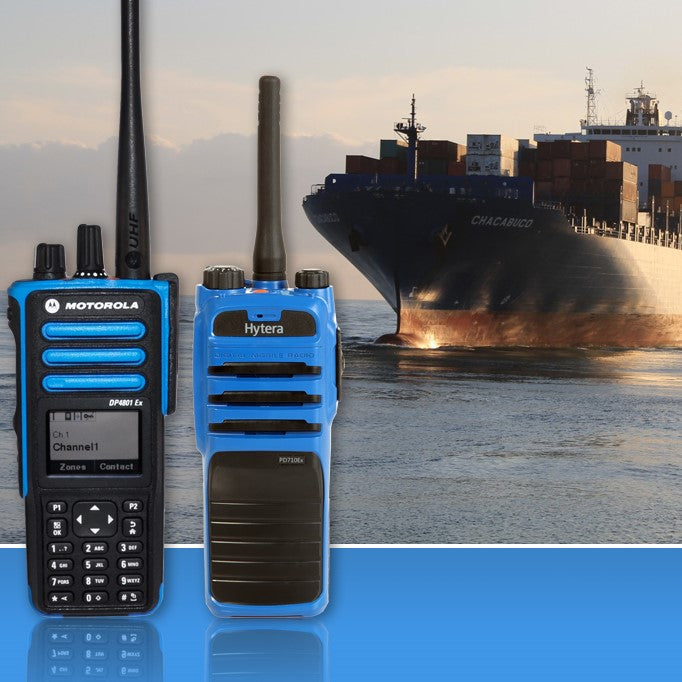
- UHF: Operating between 400 MHz to 470 MHz, UHF radios offer better penetration through walls and buildings, making them ideal for dense urban environments like Lagos. They are perfect for indoor use, such as in hotels, security setups, and construction sites. For those looking to buy walkie talkies in Nigeria, considering UHF variants could enhance operational safety and efficiency.
- VHF: Ranging from 136 MHz to 174 MHz, VHF radios are more suitable for outdoor use over open areas. They provide long-distance communication with minimal obstructions, making them ideal for outdoor security operations, or facilitating communication across wide estates in suburban areas.
Choosing the Right Two-Way Radio
When selecting a handheld two-way radio or a digital two-way radio, the environment in which the radio will operate should determine whether to opt for UHF or VHF. Long-range walkie talkies are particularly beneficial in ensuring seamless communication over extensive areas.
Recommended Products

For those seeking efficient radio communication solutions, Basec Africa offers high-quality products such as:
- Motorola M37 Walkie Talkie: A robust choice for professional communication needs.
- Motorola MOTOTRBO R7/R7a Walkie Talkie: Ideal for advanced communication technology and reliability.
- Motorola MOTOTRBO MTR3000 Repeater: Enhances range for large-scale operations.
Explore more products tailored for diverse needs in Motorola Two Way Radio Communications.
Advantages Over Mobile Phones
Professional radio communication systems offer distinct advantages over mobile phones, crucial for environments requiring quick response times. These include:
- Instant Communication: No need to dial, just push-to-talk.
- Reliability: Less prone to network failures.
- Durability: Built for rugged paths, ensuring longevity.
- Effectiveness in Large Areas: Ideal for event organizers, security personnel, and hotel staff, ensuring smooth operations.
Why Basec Africa?
Basec Africa, a subsidiary of Bas Africa Solutions Ltd, stands out as a premier security technology and communication solutions provider. Catering to Nigeria’s burgeoning demands, Basec Africa supports security companies, event organizers, and construction teams, ensuring they are equipped with reliable and efficient communication radios. Whether you're looking for walkie talkies in Lagos or professional communication solutions elsewhere, Basec Africa has you covered.
Relevant Links:
- Revolutionizing Communication With Digital Two-Way Radios: What You Need to Know
- A Comprehensive Look at Long-Range Walkie Talkies for Large-Scale Operations
For more information and to explore various communication solutions, visit Basec Africa.
FAQs
What are UHF and VHF channels?
UHF (Ultra High Frequency) and VHF (Very High Frequency) are two types of radio frequencies used for communication. VHF typically ranges from 30 MHz to 300 MHz, while UHF covers 300 MHz to 3 GHz. These bands are used for various applications, including television, radio broadcasts, and two-way communication devices like walkie-talkies.
What are the main differences between UHF and VHF?
The primary differences lie in their frequency range and propagation characteristics. VHF has longer wavelengths, allowing it to travel further in open areas and penetrate through obstacles. UHF wavelengths are shorter, which means they can carry more data and work better in urban environments with many obstructions.
Which type of frequency is better for outdoor use?
VHF is generally preferred for outdoor use due to its longer range and ability to cover greater distances across open terrains. It’s often used in applications like marine communication and hiking expeditions. However, UHF may perform better in environments with many buildings or obstacles.
Can UHF and VHF radios communicate with each other?
No, UHF and VHF radios cannot communicate directly with one another. They operate on different frequency bands and are designed for use with compatible devices. However, some multi-band radios can switch between UHF and VHF, allowing users to communicate on both bands.
What factors affect the range of UHF and VHF communication?
Several factors can affect the range, including frequency, antenna type, power output, terrain, and obstructions such as buildings or mountains. Generally, UHF has a shorter range than VHF in open spaces but can outperform VHF in densely populated environments.
Do UHF and VHF frequencies have specific applications?
Yes, UHF frequencies are commonly used in modern communication systems, including cell phones, television broadcasting, and wireless microphones. VHF is often favored for applications such as maritime communication, aviation, and FM radio broadcasting.
How can I determine which frequency is best for my needs?
The choice between UHF and VHF depends on your specific requirements. Consider factors like the distance you need to cover, the environment in which you'll be operating, and the type of communication you require. If you need longer range in open areas, VHF might be ideal. For urban settings, UHF could be more effective.
What types of equipment are used for UHF and VHF communication?
Both frequency bands utilize various equipment, including handheld radios, base stations, and mobile radios. Many commercial applications also involve repeaters and antennas specifically designed for either UHF or VHF to enhance signal quality and range.
Are there any licensing requirements for using UHF and VHF radios?
Yes, licensing requirements can vary by country and by the specific frequencies and power levels used. It’s essential to check local regulations to determine whether a license is needed for your intended use of UHF or VHF communication devices.

