


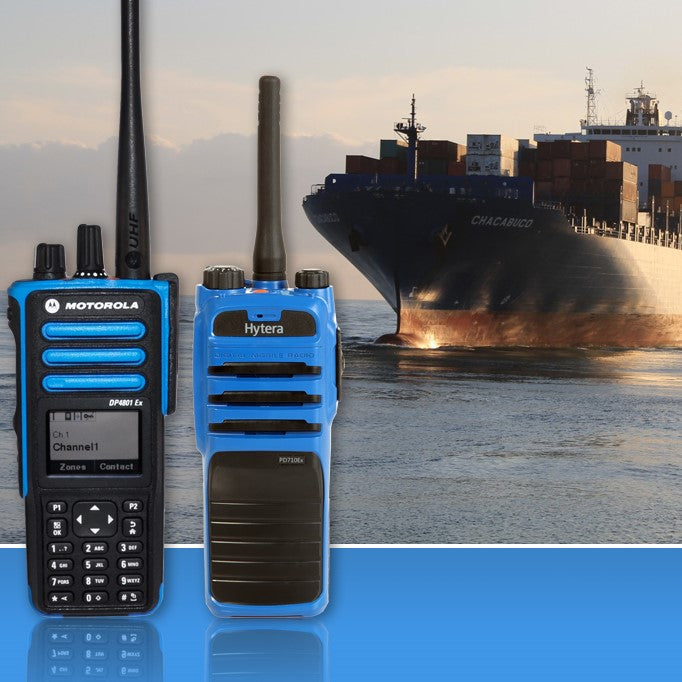

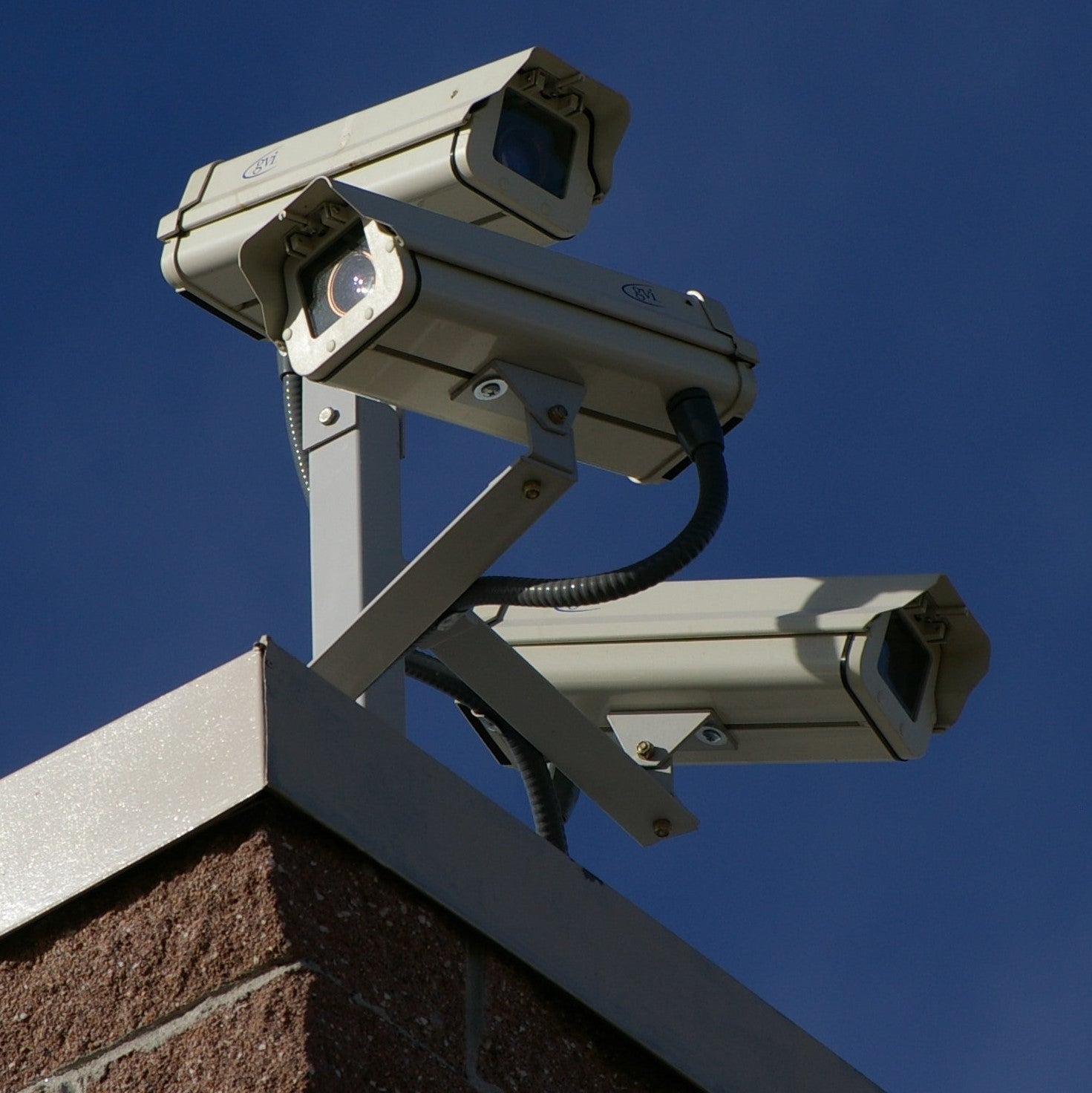

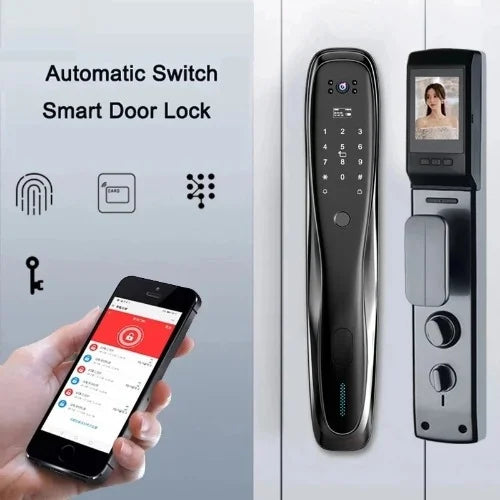





In today's fast-paced environment, the demand for reliable communication solutions has never been more pressing, especially in diverse sectors such as security, event management, construction, and hospitality. The strategic use of two-way radios and walkie talkies in Nigeria offers seamless communication, crucial for safety, coordination, and efficiency. This brings us to the core of our discussion: comparing UHF and VHF communication radios tailored for the Nigerian market.
Table of Contents
- Table of Contents
- Understanding Two-Way Radios in Nigeria
- UHF Radios
- VHF Radios
- Advantages of Professional Walkie Talkies Over Mobile Phones
- Our Highlighted Products and Collections
- Featured Products
- Featured Collections
- Embracing Future Communication Technologies
- Conclusion
- FAQs
Understanding Two-Way Radios in Nigeria
Two-way radios are classified based on frequency bands: UHF (Ultra High Frequency) and VHF (Very High Frequency). Each type has its unique advantages and applications. Let's explore how they cater to the Nigerian market's varied needs.
UHF Radios
UHF radios operate at frequencies between 300 MHz and 3 GHz, offering better penetration through obstacles such as walls and buildings, making them ideal for urban environments like Lagos. These radios are perfect for hotel staff communication radios and security team walkie talkies, due to their superior indoor range.
VHF Radios
On the other hand, VHF radios transmit between 30 MHz and 300 MHz. They are the preferred choice for outdoor and large open spaces. VHF radios shine in areas where line-of-sight communication is essential, making them suitable for construction site communication radios.
Advantages of Professional Walkie Talkies Over Mobile Phones

Despite the ubiquity of mobile phones, professional walkie talkies offer significant advantages:
- Instant Communication: Get immediate connectivity with a simple push-to-talk button.
- Reliability: No dependence on cellular network availability.
- Durability: Designed to withstand harsh environmental conditions.
- Large Operational Environments: Adequate for both urban complexities and remote ventures.
Basec Africa, under the umbrella of Bas Africa Solutions Ltd, has emerged as a pivotal player in providing top-quality walkie talkie Nigeria solutions. Their products, such as the Entel HT882/HT982EX Atex Walkie Talkie Radio, cater to security companies, event organizers, and construction teams, ensuring reliable and efficient radio communication systems.
Our Highlighted Products and Collections
Explore the range of portable communication radios and professional communication equipment offered by Basec Africa:
Featured Products

Featured Collections
Embracing Future Communication Technologies
With advancements in digital two-way radio communications, the future of two-way radio communication in Nigeria looks promising. Technologies such as modern push-to-talk communication technology are revolutionizing the way industries operate. For insights on this evolving field, check out our article: Exploring the Future of Digital Two Way Radios in Nigerian Communication Systems.
Conclusion
Whether you're looking to buy walkie talkie Nigeria options for event communication or security radios, understanding the difference between UHF and VHF radios is key. Basec Africa continues to support the strategic deployment of these technologies, enhancing safety and coordination across Nigeria's diverse market landscapes.
Explore our complete range of products and services at Basec Africa.
FAQs
What are UHF and VHF radios, and how do they differ?
UHF (Ultra High Frequency) radios and VHF (Very High Frequency) radios are both types of two-way communication devices. The primary difference lies in their frequency ranges: UHF operates between 300 MHz and 3 GHz, while VHF operates between 30 MHz and 300 MHz. This difference affects their range, building penetration, and suitability for different environments.
Which type of radio is better for outdoor adventures in Nigeria?
The choice between UHF and VHF radios largely depends on your specific needs. UHF radios are generally better for environments with many obstacles, such as urban areas or dense forests, due to their ability to penetrate structures better. VHF radios are preferable for open areas where they offer a longer range without much interference.
How far can UHF and VHF radios transmit signals?
UHF radios typically have a shorter range than VHF radios, with effective transmission distances of about 1 to 5 miles in urban settings and up to 25 miles in open areas. VHF radios can offer a range of 5 to 20 miles in urban settings and up to 50 miles in open landscapes, making them ideal for longer-distance communications in less obstructed environments.
Are there any licensing requirements for using UHF and VHF radios in Nigeria?
Yes, in Nigeria, users are generally required to obtain licenses from the Nigerian Communications Commission (NCC) to operate UHF and VHF radios. This ensures proper frequency management and minimizes interference between different users, particularly in densely populated areas.
What factors should I consider when choosing a radio for travel in Nigeria?
Consider factors such as range, battery life, frequency band (UHF or VHF), durability, and whether the radio has features like weather alerts or programmable channels. Additionally, think about the environments you'll be in, whether you need water resistance, and if you might require accessories like headsets.
Can both UHF and VHF radios be used for emergency communication?
Yes, both UHF and VHF radios can be effective for emergency communication. However, the choice may depend on your location and the surrounding infrastructure. VHF radios are often more reliable for long-range communication in rural areas, while UHF radios can be better in urban settings due to their ability to penetrate buildings.
How do the costs of UHF and VHF radios compare in the Nigerian market?
The prices for UHF and VHF radios can vary based on brand, features, and specifications. Generally, you may find a wider range of pricing for UHF radios, but both types can be relatively affordable. It's advisable to compare models and read reviews to make the best choice within your budget.
Do UHF and VHF radios have any specific advantages in certain activities?
UHF radios are often preferred in activities involving a lot of obstacles, such as hiking in mountainous regions or navigating urban settings. VHF radios excel in activities where you need clear communication over longer distances, such as fishing trips or large agricultural operations.
Can I use UHF and VHF radios interchangeably for communication?
No, UHF and VHF radios cannot communicate with each other since they operate on different frequency bands. You will need to have radios that match in frequency type to communicate effectively with other users. Always ensure you and your team are using the same type of radio for successful communication.

