









In today's fast-paced world, effective communication is essential for seamless logistical and operational coordination. With large teams stretched across various terrains and environments, the need for efficient communication tools has never been greater. One such indispensable tool is the two way radio. Whether you're organizing a large event, managing a bustling construction site, or ensuring security across expansive estates, reliable walkie talkies offer invaluable support.
Table of Contents
- Table of Contents
- Types of Two Way Radios
- Handheld Two Way Radios
- Digital Two Way Radios
- Long-Range Walkie Talkies
- Comparing Two Way Radios with Mobile Phones
- Key Offerings from Basec Africa
- Stay Ahead with Basec Africa
- FAQs
Types of Two Way Radios
Handheld Two Way Radios

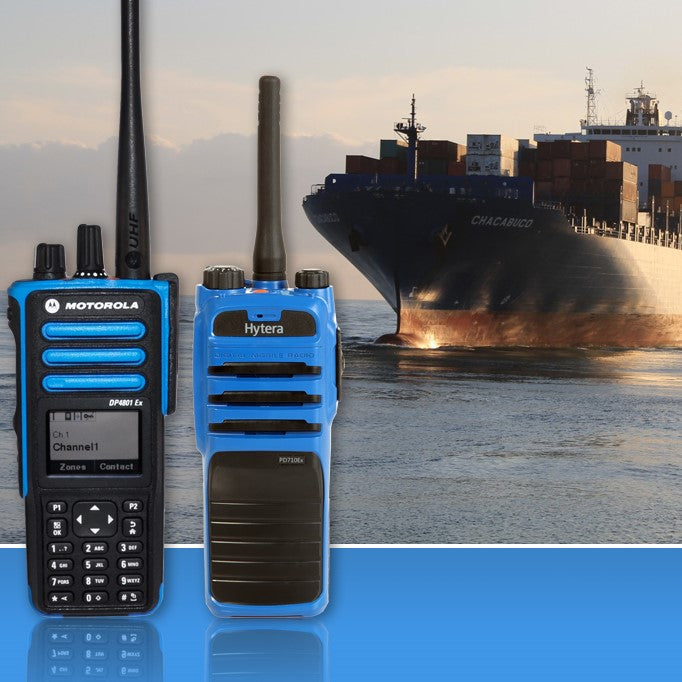
Handheld radios, commonly known as walkie talkies, are particularly popular for their portability and ease of use. Kenwood TK2000/TK3000 Walkie Talkie Learn More is a fine example of reliability and efficiency suited for diverse environments including event communications and security operations.
Digital Two Way Radios
Digital two way radios bring advanced technology to communication, providing clearer audio, longer battery life, and extended range. They are ideal for environments like construction sites where dependable communication is crucial. Read more about how they enhance construction site operations here.
Long-Range Walkie Talkies
For larger operational areas, long range walkie talkies offer an invaluable advantage. With the ability to function across broader distances without losing signal quality, these radios ensure that your team remains connected.
Comparing Two Way Radios with Mobile Phones
Although mobile phones are ubiquitous, professional radio communication systems offer distinct advantages over them:
- Instant Communication: Simply push a button to talk.
- Reliability: Less interference and better performance in remote areas.
- Durability: Built to withstand tough conditions.
- Operational Efficiency: Effective in managing large teams.
For professionals in Nigeria, Basec Africa, a subsidiary of Bas Africa Solutions Ltd, offers top-notch communication solutions tailored to enhance safety and operational efficiency. Their range of two way radios supports varied industries like security companies, event organizers, and construction teams. Explore their offerings in communication equipment here.
Key Offerings from Basec Africa

Basec Africa provides a suite of products ideal for enhancing security and coordination across various sectors:
- Motorola T200 Walkie Talkie: Perfect for event communication with durable design. Check it out
- Entel HT882/HT982EX Atex Walkie Talkie Radio: Designed for hazardous environments. View here
For those prioritizing security, security communication radios are a critical asset. Learn about empowering security operations with advanced systems here.
Stay Ahead with Basec Africa
Basec Africa continues to expand its reach in Nigeria, providing reliable walkie talkie Nigeria solutions. Whether it's for hotel staff communication or security team walkie talkies, their offerings ensure that your team is well-equipped with optimal communication devices.
For more details, visit Basec Africa.
Equip your team with the best in class two way radio Nigeria solutions from a trusted provider and ensure that your operations run smoothly, efficiently, and safely.
FAQs
What are two way radios, and how do they work?
Two way radios, also known as walkie-talkies, are portable communication devices that allow users to send and receive voice messages over short distances. They operate on specific radio frequencies, enabling real-time communication without the need for a cellular network or internet connection.
What industries benefit the most from using two way radios?
Industries such as construction, logistics, event management, and emergency services benefit significantly from two way radios. Their reliable communication capabilities enhance coordination, safety, and efficiency in environments where quick communication is crucial.
How do two way radios enhance logistics operations?
Two way radios facilitate instant communication between team members, allowing for quick decision-making and problem resolution. This immediacy helps streamline operations, reduces delays, and improves overall productivity.
Are there different types of two way radios available?
Yes, there are several types of two way radios, including analog and digital models. Analog radios are straightforward and cost-effective, while digital radios offer advanced features like improved sound quality, encrypted communications, and better battery life.
What features should I look for when choosing two way radios for my team?
When selecting two way radios, consider features such as range, battery life, ease of use, durability, and additional functionalities like hands-free operation, noise cancellation, and emergency alerts to ensure they meet your operational needs.
How do two way radios compare to mobile phones for communication in logistics?
While mobile phones offer versatile communication options, two way radios provide instant, push-to-talk communication without the need for dialing or waiting for a connection. They are typically more robust and effective in environments where mobile reception may be limited.
Do I need a license to operate two way radios?
Licensing requirements for two way radios depend on the type of radio and the frequency band used. In many cases, businesses may need to acquire a license for commercial radio frequencies, while some FRS (Family Radio Service) frequencies can be used without a license.
How can I ensure clear communication with two way radios in noisy environments?
To ensure clear communication in noisy settings, look for two way radios that have noise-canceling features, adjustable volume settings, and the option for earpieces or headsets. This equipment helps minimize background noise and enhances audio clarity.
Can two way radios improve safety in operational settings?
Absolutely. Two way radios can enhance safety by enabling quick communication in emergencies, facilitating coordination during hazardous tasks, and allowing workers to immediately report issues or unsafe conditions, thus promoting a safer work environment.

