









Two-way radios have become an indispensable part of the communication landscape in the business world. Across industries like security, events management, construction, and hospitality, these devices offer unparalleled advantages over mobile phones, notably in terms of reliability, durability, and instant communication. Particularly in Nigeria, including states like Lagos, the use of walkie talkies and two-way radios has significantly improved operational efficiency and safety across various sectors.
Table of Contents
- Table of Contents
- The Types of Two-Way Radios
- Handheld Two-Way Radios
- Digital Two-Way Radios
- Long-Range Walkie Talkies
- UHF and VHF Communication Radios
- Advantages Over Mobile Phones
- Basec Africa's Role in Business Communication
- Conclusion
- FAQs
The Types of Two-Way Radios
Handheld Two-Way Radios
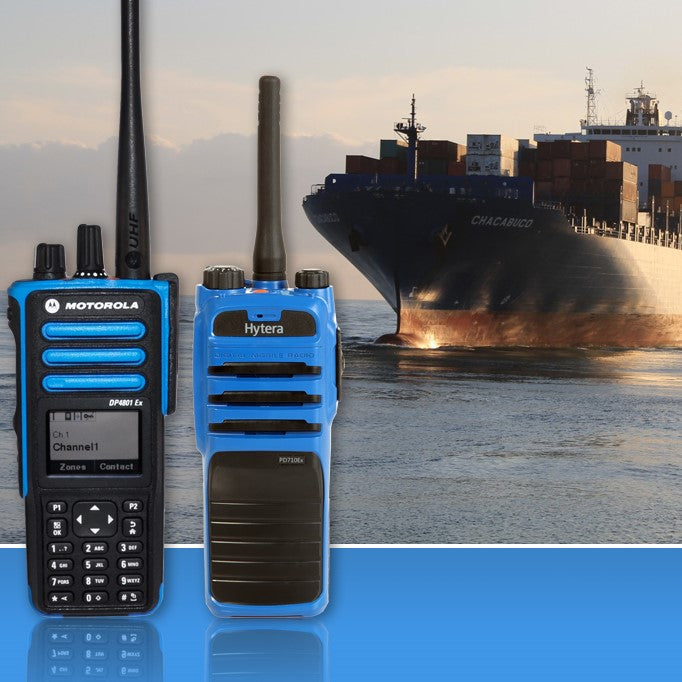
Handheld radios, commonly known as walkie talkies, are portable and robust, making them suitable for use in diverse conditions. They are ideal for dynamic environments where mobility is crucial, such as on construction sites or during events.
Digital Two-Way Radios

Digital two-way radios offer enhanced audio quality and greater coverage compared to their analog counterparts. Devices like the Motorola Dp3600/3601 Walkie Talkie are examples of how modern technology is improving communication efficiency in organizations.
Long-Range Walkie Talkies

For businesses requiring extensive coverage, long-range walkie talkies ensure seamless communication over vast distances. Whether you're operating in remote areas or in bustling metropolises, devices like the Baofeng BF-888S Walkie Talkie Two Radio ensure that no message is left unheard.
UHF and VHF Communication Radios
UHF (Ultra High Frequency) and VHF (Very High Frequency) radios excel in various environments. While UHF radios are typically better inside buildings, VHF radios offer better performance in outdoor settings. The combination of these ensures a reliable communication channel regardless of the setting.
Advantages Over Mobile Phones
Unlike mobile phones, professional two-way radios provide immediate, push-to-talk communication without the need for dialing numbers or waiting for connections. In security operations, for instance, every second counts; hence, the immediacy of two-way radio communication can be crucial. Furthermore, professional radios are designed to withstand harsh conditions, ensuring longevity and reduced replacement costs for businesses.
Read more about the comparison in our post: Handheld Radios vs. Mobile Phones: Which is Better for Your Organization?.
Basec Africa's Role in Business Communication

Basec Africa, a division of Bas Africa Solutions Ltd, is at the forefront of providing high-quality walkie talkies and two-way radio communication systems in Nigeria. From security companies to event organizers, Basec Africa offers tailor-made solutions to ensure seamless communication. Explore more of our offerings in our Communication Equipment collection.
Additionally, Basec Africa supports industries by enhancing their communication systems with comprehensive solutions like the Motorola GM338 Base Radio. Whether for hotel staff coordination, event communication, or security team operations, Basec Africa delivers reliable and efficient communication devices.
Conclusion
Investing in reliable, robust, and efficient two-way radio communication systems not only enhances operational efficiency but also ensures safety across various operations. As businesses expand and the need for immediate communication becomes more critical, Basec Africa remains committed to offering the best professional communication solutions in Nigeria.
For those looking to update their communication systems, visit Basec Africa to learn more about our products and services.
Explore further how security teams can benefit from professional walkie talkies in our article: Enhancing Security Team Efficiency with Professional Walkie Talkies and Two-Way Radios.
FAQs
What are digital two-way radios?
Digital two-way radios are communication devices that allow users to send and receive messages in real-time, using digital signal processing technology to enhance audio clarity and reduce interference.
What are the advantages of using digital two-way radios in business?
Digital two-way radios provide clear, reliable communication, greater range, enhanced security features, efficient battery life, and the ability to support group communication, which is ideal for coordinating teams and improving productivity.
How do digital two-way radios differ from analog radios?
Digital radios provide improved sound quality, longer communication distance, and the ability to transmit data as well as voice, while analog radios are more prone to interference and offer limited features in comparison.
Are digital two-way radios easy to use for employees?
Yes, digital two-way radios are generally user-friendly, with intuitive controls and minimal training required for employees to start the effective use of the devices in their daily operations.
What industries benefit most from digital two-way radios?
Industries such as hospitality, construction, healthcare, and security have greatly benefited from digital two-way radios due to their need for reliable, instant communication in dynamic environments.
Can digital two-way radios work outside of traditional coverage areas?
Digital radios can connect using repeater systems, which extend their range, and some models are compatible with cellular networks, allowing for communication even in remote areas.
What features should I look for when selecting a digital two-way radio for my business?
Key features to consider include audio quality, battery life, durability, range, and additional functionalities like GPS tracking, emergency alerts, and compatibility with accessories such as headsets or earpieces.
What is the average lifespan of a digital two-way radio?
With proper maintenance and care, digital two-way radios typically have a lifespan of 5 to 10 years, though this can vary based on usage and environmental conditions.
Can I integrate digital two-way radios with other communication systems?
Yes, many digital two-way radios can be integrated with existing communication systems such as smartphones, computers, and intercoms, allowing for a more unified communication strategy.