









In the rapidly evolving landscape of Nigeria's urban environments, the demand for efficient and reliable communication is at an all-time high. Among the various communication tools available, two-way radio communication stands out as a vital component that meets the needs of various sectors from security to hospitality. In this article, we explore the growing trend of two-way radios, also known as walkie talkies, and their rising significance in Nigeria, with a particular emphasis on urban centers like Lagos.
Table of Contents
- Table of Contents
- The Rise of Advanced Communication Devices in Nigeria
- Types of Two-Way Radios
- Professional Communication Systems Vs. Mobile Phones
- Basec Africa: Leading the Communication Solutions
- Supporting Various Sectors
- FAQs
The Rise of Advanced Communication Devices in Nigeria
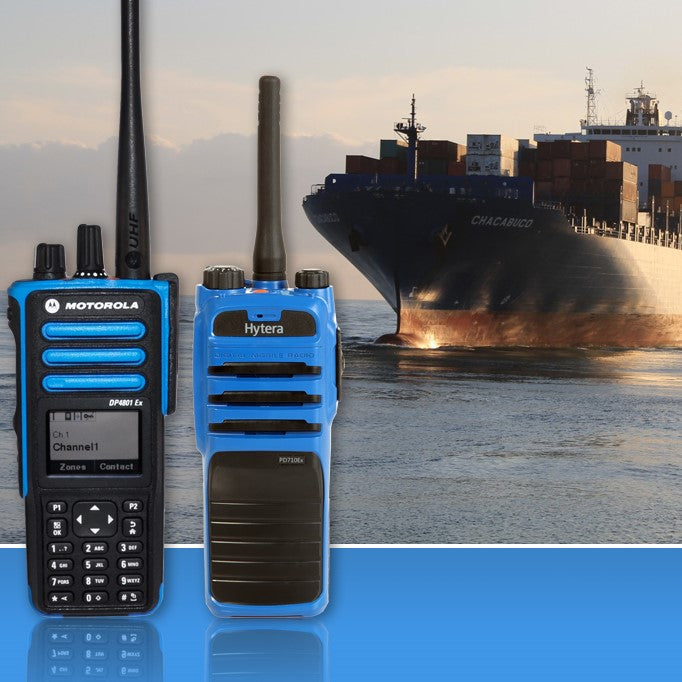
The widespread adoption of two-way radios in urban Nigeria highlights their importance as both professional and practical communication tools. With options ranging from handheld radios to sophisticated digital two-way radios and long-range walkie talkies, these devices offer unparalleled advantages for professional radio communication systems. Unlike mobile phones, walkie talkies facilitate instant communication, reliability, and durability—ideal for large and demanding operational environments. From security teams to event organizers, and hotel staff needing communication radios, the utility is evident.
Types of Two-Way Radios
There are various types of two-way radios available that suit different professional needs:
- Handheld Radios: Perfect for on-the-go communication, these radios combine portability with efficiency.
- Digital Two-Way Radios: These offer enhanced sound clarity and encryption, ensuring secure communication for professional settings.
- Long-Range Walkie Talkies: Ideal for expansive areas such as construction sites, estates, and events, long-range walkie talkies ensure consistent connectivity without the need for cellular coverage.
- UHF and VHF Communication Radios: Each type is tailored to specific operational settings. UHF radios are suitable for indoor use, navigating obstacles easily, while VHF is excellent for open outdoor communication.
- Modern Push-to-Talk Technology: This feature allows immediate and seamless communication, making it a preferred choice for urgent and crucial exchanges.
Professional Communication Systems Vs. Mobile Phones
While mobile phones are ubiquitous, they fall short compared to professional radio communication systems in scenarios requiring real-time, reliable communication, such as security operations or on bustling construction sites. Two-way radios provide instant connectivity, meaning no wait times for calls to go through, and they are built to withstand environmental challenges, with durable designs perfect for rugged situations.
Basec Africa: Leading the Communication Solutions

Basec Africa, under the parent company Bas Africa Solutions Ltd, is making significant strides in providing high-quality walkie talkies and two-way radios in Nigeria. Their extensive inventory features renowned models such as the Motorola DP3600/3601 Walkie Talkie and the MOTOROLA DP-4401E/4400E Professional Digital Two-Way Radio ensuring diverse solutions tailored to various professional demands.
Supporting Various Sectors
Basec Africa caters to a multitude of industries by offering reliable radio communication solutions designed for efficiency and safety. By partnering with security companies, event organizers, and construction teams, they ensure seamless communication that enhances operational effectiveness. Learn more about their offerings through their Communications Equipment Collection and Motorola Two Way Radio Communications.
For more insights into the professional use of walkie talkies across industries, check out related content like The Role of Professional Walkie Talkies in Nigerian Security Services and Boosting Construction Site Safety with Durable Two-Way Communication.
In conclusion, the integration of two-way radios in Nigeria's urban environments underscores a critical shift towards more effective, professional communication tools. As Basec Africa continues to evolve as a leader in this space, the landscape for secure, efficient communication in Nigeria continues to brighten.
FAQs
What are two-way radios and how do they work?
Two-way radios, also known as walkie-talkies, are communication devices that allow users to send and receive audio messages in real-time. They operate on radio frequencies and facilitate instant communication between individuals or groups without the need for cellular networks.
Why is two-way radio communication important in urban environments?
In urban settings, two-way radio communication is crucial for various sectors, including emergency services, public safety, transportation, and event management. It provides reliable, immediate communication that can enhance response times and improve coordination during critical situations.
How has the usage of two-way radios evolved in Nigeria?
In Nigeria, the use of two-way radios has grown significantly due to urbanization, increased security concerns, and the need for efficient communication in businesses. Industries such as logistics, security services, and event management are increasingly adopting this technology to streamline operations.
What are the major benefits of using two-way radios over mobile phones?
Two-way radios offer instant communication without reliance on cellular networks, which can be unreliable in certain areas. They are often more durable, have longer battery life, and allow for group communication, making them ideal for team coordination in various settings.
Are there regulations governing the use of two-way radios in Nigeria?
Yes, there are regulations in place that govern the use of two-way radios in Nigeria. Users must adhere to licensing requirements set by the Nigerian Communications Commission (NCC) to ensure compliance with frequency usage and operational standards.
What industries in Nigeria are experiencing an increase in two-way radio use?
Industries such as construction, oil and gas, transportation, hospitality, and disaster response are experiencing a rise in the use of two-way radios. These sectors benefit from efficient communication and enhanced safety measures offered by this technology.
How do two-way radios contribute to safety in urban cities?
Two-way radios enhance safety in urban areas by providing quick communication during emergencies, enabling coordination among first responders, and allowing businesses to maintain constant contact with their personnel, which can help prevent incidents and respond effectively to crises.
What are some common challenges faced when using two-way radios in cities?
Challenges include frequency interference due to congestion, limited range in dense urban areas, and potential for equipment malfunction. However, advancements in technology are helping to mitigate many of these issues with improved devices and better frequency management.
Can two-way radios be integrated with other communication technologies?
Yes, two-way radios can be integrated with other communication systems, including smartphones, internet-based solutions, and dispatch software. This integration allows for enhanced communication capabilities and broader coverage for organizations operating in urban environments.

