









In today's fast-paced world, efficient communication is crucial across various sectors. Two-way radio communication systems, commonly known as walkie talkies, have seen a phenomenal evolution, emerging as indispensable tools for professional communication. From handheld two-way radios to digital two-way radios and long-range walkie talkies, these devices offer unparalleled communication capabilities. In this blog post, we will explore the revolutionary applications of two-way radios and how they outperform mobile phones in numerous scenarios.
Table of Contents
- Table of Contents
- The Power of Two-Way Radio Systems
- Types of Two-Way Radios
- Basec Africa: Leading the Way in Communication Solutions
- Supporting Various Sectors
- FAQs
The Power of Two-Way Radio Systems
Two-way radios are portable communication radios that allow users to communicate with each other instantly. This real-time communication tool is essential for industries such as security, construction, events management, and hospitality. Unlike mobile phones, two-way radios provide:
- Instant Communication: Immediate connection without dialing and waiting for a call to be picked up.
- Reliability: Functionality in remote areas where mobile network coverage is weak or non-existent.
- Durability: Designed to withstand harsh conditions, such as those in construction sites or outdoor events.
- Effectiveness in Large Operational Environments: Facilitates group communication and coordination seamlessly.
Types of Two-Way Radios

- Handheld Radios: These include traditional walkie talkies often used by security personnel and event teams. They are lightweight and easy to carry.
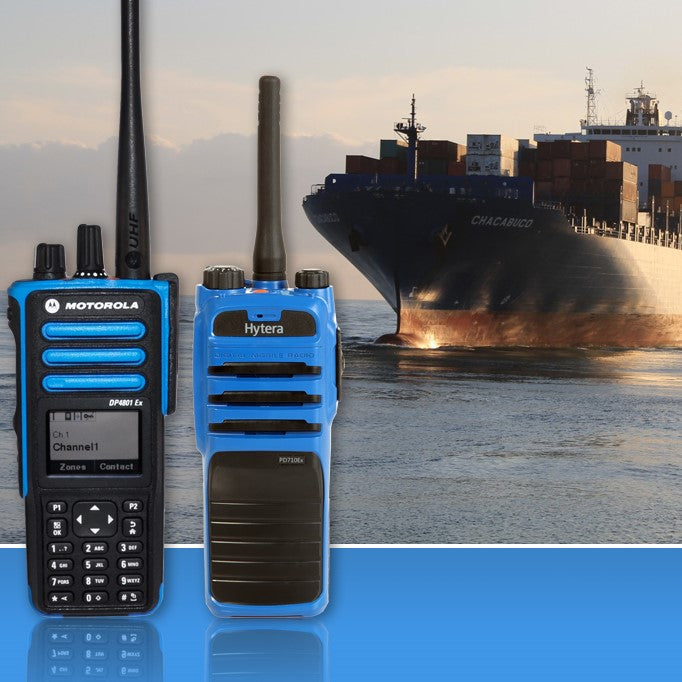
- Digital Two-Way Radios: Offer clear audio quality and enhanced features like GPS tracking and text messaging. The Hytera PD715EX Atex Walkie Talkie Radio is an example of a digital radio tailored for professional use.
- Long-Range Walkie Talkies: Designed for operations that require extended reach. Critical in sectors like logistics and transportation.
- UHF and VHF Communication Radios: Ideal for different environments. UHF radios (Ultra-high frequency) work well indoors, while VHF radios (Very high frequency) excel in outdoor situations. For a deeper understanding, consider reading The Advantages of Implementing UHF and VHF Communication Radios in Nigeria.
- Modern Push-to-Talk Technology: Enhances communication efficiency by allowing users to connect instantly with the press of a button.
Basec Africa: Leading the Way in Communication Solutions
Basec Africa, a part of Bas Africa Solutions Ltd, is a growing force in the security technology and communication solutions landscape. They provide a wide array of high-quality walkie talkies, two-way radios, and professional communication equipment. By supporting security companies, event organizers, construction teams, and estates, Basec Africa ensures that communication is always reliable and efficient. Check out their extensive Communication Equipment selection for more insights.
Supporting Various Sectors

- Security: With professional radio communication systems, security teams can operate more efficiently, keeping environments safe and secure.
- Events: Reliable walkie talkie systems from Basec Africa ensure seamless coordination at events, supporting organizers in managing large crowds effectively. For more tips, read Best Practices for Using Two-Way Radios in Estates and Large-Scale Events.
- Construction: On construction sites, clear and quick communication is vital for safety and efficiency.
Explore options like the Motorola Cp-140 Walkie Talkie and Motorola GM338 Base Radio to see how you can enhance your operations with robust two-way radios.
To discover more about these innovative communication systems, visit Basec Africa's website.
FAQs
What are two-way radio communication systems?
Two-way radio communication systems are devices that allow for bidirectional communication between users. They enable real-time voice communication without the need for mobile networks, making them reliable in remote areas or during emergencies.
How do two-way radios differ from mobile phones?
Two-way radios operate on specific radio frequencies and do not rely on cellular networks. This makes them ideal for instant communication over short distances. In contrast, mobile phones require a network infrastructure, which can be unreliable in certain situations.
What industries benefit from two-way radio communication?
Several industries benefit from two-way radios, including construction, hospitality, public safety, and event management. Their ability to facilitate quick communication among teams can enhance operational efficiency and safety during critical tasks.
Can two-way radios be used in emergency situations?
Yes, two-way radios are often used in emergency situations due to their reliability and the ability to communicate without dependency on mobile phone networks. Many first responders rely on them for coordinating efforts during crises.
What advantages do two-way radios offer for business operations?
Two-way radios provide instantaneous communication, improved team coordination, and reduced response times. They also help eliminate communication delays and can be more cost-effective than mobile plans, especially for large teams.
Are two-way radios easy to use?
Most two-way radios are designed for user-friendliness, with simple controls and straightforward functions. Users can quickly learn how to operate them, making them accessible for a wide range of individuals and industries.
What features should I look for when choosing a two-way radio?
When selecting a two-way radio, consider features such as battery life, range, durability (especially for rugged environments), weather resistance, and any additional functionalities like integrated GPS or noise-cancellation technology.
Do two-way radios require a license to operate?
In some regions, operating two-way radios may require a license, especially if they use certain frequencies. It's essential to check local regulations to ensure compliance before using these communication systems.
How can two-way radios improve safety in the workplace?
Two-way radios enhance safety by enabling quick communication during emergencies, allowing for effective coordination of safety protocols and immediate reporting of hazardous situations, thereby mitigating risks in the workplace.

