


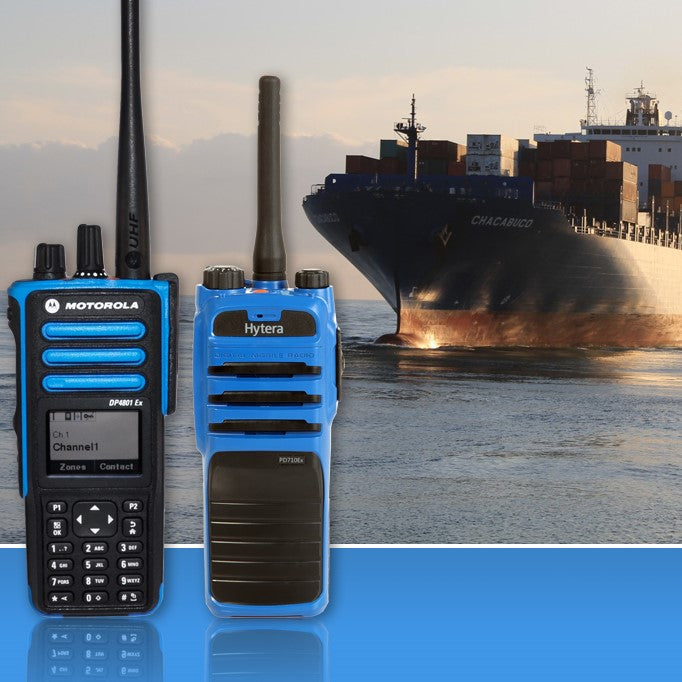

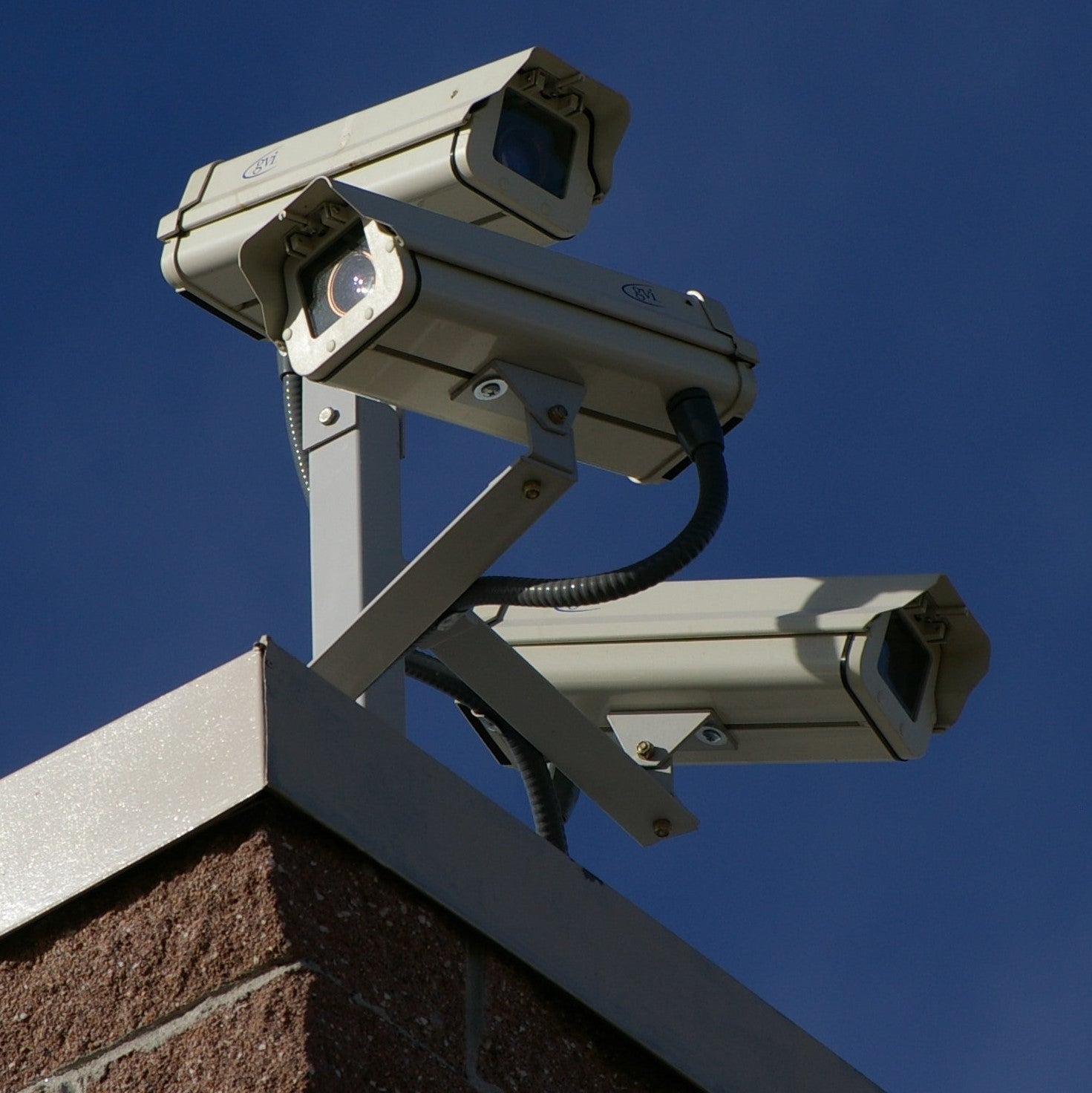

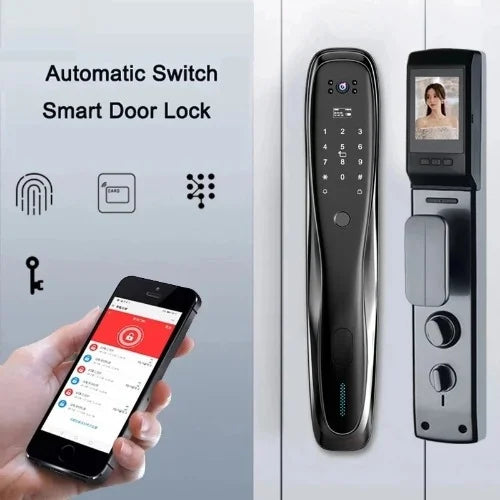





In today's fast-paced world, efficiency and safety in the workplace are paramount. An essential tool that often goes unnoticed in its contribution to these crucial aspects is the handheld two-way radio. Whether in the bustling construction sites of Lagos or the security teams safeguarding events across Nigeria, the walkie talkie plays a vital role in ensuring seamless communication and coordination.
Table of Contents
- Table of Contents
- The Versatility of Two Way Radios
- Advantages Over Mobile Phones
- Basec Africa: Championing Radio Communication in Nigeria
- Highlighted Products
- Conclusion
- FAQs
The Versatility of Two Way Radios
Two-way radio communication encompasses various types including handheld radios, digital two-way radios, and long-range walkie talkies. Each type serves a unique purpose in different operational environments. For instance, UHF and VHF communication radios cater to specific bandwidth requirements, optimizing the reach and clarity of communication.
Modern-day radios also incorporate push-to-talk technology, offering instant communication, which is particularly advantageous in security scenarios where time-sensitive information must be relayed quickly.
Advantages Over Mobile Phones
Professional radio communication systems offer several benefits over traditional mobile phones:
- Instant Communication: Unlike mobile phones that rely on cellular networks, two-way radios provide instant communication without connectivity delays.
- Reliability: Two-way radios are built for durability, able to withstand harsh working conditions.
- Effectiveness in Large Areas: In expansive environments like construction sites and large events, long-range walkie talkies ensure comprehensive coverage where mobile networks may falter.
Basec Africa: Championing Radio Communication in Nigeria
As a leading provider of quality two-way radios, Basec Africa, under its parent company Bas Africa Solutions Ltd, offers products tailored to enhance safety and communication across various sectors. From security companies needing security communication radios to event organizers and construction teams requiring reliable communication solutions, Basec Africa delivers with excellence.
Explore our Communication Equipment to find professional walkie talkies and other wireless communication devices that suit your needs.
Highlighted Products

- Motorola T80 Walkie Talkie: Known for its robustness and ease of use, this device is perfect for industries requiring efficient communication.
- Icom V-86 Walkie Talkie: This professional walkie talkie is designed to provide clear communication even in noisy environments.
- Motorola DM4601/4600 Base Radio: An excellent choice for secure and reliable communication infrastructure.
To learn more about the advantages of two-way radios in professional settings, read our articles:
- Understanding the Advantages of Two Way Radio Communication for Professional Teams in Nigeria
- Understanding UHF versus VHF Radios for Optimal Communication
Conclusion
The role of portable communication radios in enhancing worker safety and productivity cannot be underestimated. Security team walkie talkies, event communication radios, and hotel staff communication radios are just a few examples of how these tools are implemented to ensure effective communication. Basec Africa takes pride in supporting Nigerian businesses and organizations with quality radio communication solutions designed for efficiency and safety, bringing you one step closer to a seamlessly connected workplace.
Visit our website to explore more products and services.
FAQs
What are handheld two-way radios?
Handheld two-way radios are portable communication devices that allow users to send and receive voice messages over short distances without the need for a cellular network. They operate using radio waves and are commonly used in various industries for instant communication.
How do two-way radios enhance worker safety?
Two-way radios enable instantaneous communication among workers, which is critical in emergency situations. Employees can quickly relay important information, report hazards, and coordinate safety measures, ultimately reducing the risk of accidents and improving overall workplace safety.
Can two-way radios improve productivity?
Yes, two-way radios can significantly enhance productivity by allowing for real-time communication. Teams can collaborate more efficiently, make quick decisions, and resolve issues as they arise without delays associated with other forms of communication.
Are two-way radios easy to use?
Absolutely! Most handheld two-way radios are designed for user-friendliness, featuring simple buttons for push-to-talk functionality. Many devices also offer clear audio quality and durable designs suitable for various work environments.
What features should I look for in a two-way radio for my team?
When selecting two-way radios, consider features such as battery life, range, durability, sound quality, and additional functionalities like weather resistance or noise cancellation. These factors can greatly influence the effectiveness of the radios in your workplace.
How far can the communication reach with handheld two-way radios?
The range of handheld two-way radios varies depending on the model, the environment, and any obstacles present. Typically, they can transmit signals over distances from a few hundred meters to several kilometers in open areas, but performance may be reduced in urban or heavily obstructed environments.
Can two-way radios work in remote locations without cellular service?
Yes, one of the key advantages of two-way radios is their ability to function without cellular service or internet connectivity. They rely on radio frequencies, making them ideal for remote locations where traditional communication methods may not be available.
Do two-way radios require special training to use?
While basic operation of two-way radios generally does not require extensive training, providing orientation or brief training sessions for your team can ensure they understand how to use the features effectively and communicate efficiently.
Are there any maintenance considerations for handheld radios?
Regular maintenance for handheld radios includes checking battery levels, cleaning the devices, and ensuring that antennas are in good condition. It is also important to update any software if your radios have digital features to ensure optimal performance.

