









In today's dynamic world, effective communication is paramount, especially for teams operating in security, construction, events, and hospitality sectors. Whether managing a bustling hotel in Lagos or coordinating a security team in Nigeria, understanding the subtle intricacies between UHF and VHF radios can significantly enhance your communication strategy. Basec Africa, a subsidiary of Bas Africa Solutions Ltd, is at the forefront of providing high-quality communication solutions and professional walkie talkies across Nigeria.
Table of Contents
- Table of Contents
- The Basics: UHF vs. VHF Radios
- The Evolution of Two-Way Radios
- Advantages of Professional Walkie Talkies
- Basec Africa: Your Partner in Professional Communication Solutions
- The Future of Communication: Push-to-Talk Technology
- Conclusion
- FAQs
The Basics: UHF vs. VHF Radios
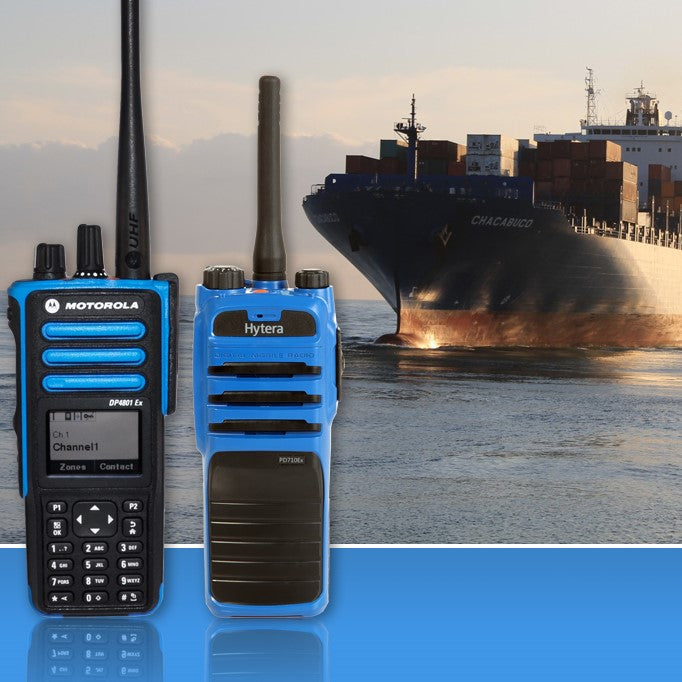
Both UHF (Ultra High Frequency) and VHF (Very High Frequency) radios offer distinct benefits and are integral components of two-way radio communication systems. UHF radios, operating between 300 MHz and 3 GHz, are ideal for urban environments, as they navigate obstacles like buildings and terrains effectively. This makes them perfect for bustling city locations such as Lagos. Meanwhile, VHF radios, operating in the 30 MHz to 300 MHz range, excel in open areas with minimal obstructions, a common landscape outside urban centers in Nigeria.
The Evolution of Two-Way Radios

The evolution from analog to digital two way radios has greatly enhanced the efficiency of communication systems. Digital radios, such as the Motorola DP540 Digital Portable Walkie Talkie, provide clearer audio even at long ranges, reducing background noise and improving the quality of exchange, critical for security communication radios and event communication radios.
Advantages of Professional Walkie Talkies
Professional walkie talkies, like those offered by Basec Africa, provide numerous advantages over mobile phones. They offer instant communication without the delays of phone connections, making them indispensable for security teams and hotel staff communication. These devices are built for durability, ensuring they withstand harsh environments typical in construction site communication radios use. Given the importance of reliable communication in security operations, these systems are not merely gadgets but essential tools for ensuring safety and efficiency.
Basec Africa: Your Partner in Professional Communication Solutions

Basec Africa is dedicated to offering comprehensive radio communication systems tailored to professional needs in Nigeria. From security walkie talkies to hotel and event communication solutions, we ensure that our clients receive impeccable service and products, such as the Kenwood TK3207/TK2207 Walkie Talkie. Our commitment is further highlighted in our Kenwood Handheld Walkie Talkies, designed for robust, dependable communication.
The Future of Communication: Push-to-Talk Technology
Exploring advanced push-to-talk technology, as discussed in this article, offers even greater opportunities for seamless operation across large areas. It eliminates the need for each user to have a separate phone line, facilitates group communications, and is more secure.
Conclusion
Whether you are buying walkie talkies in Nigeria or seeking tailored communication solutions for professional operations, the understanding of UHF versus VHF radios plays a crucial role. For more insights into why walkie talkies may be more advantageous over mobile phones for certain sectors, you can explore this blog post.
Visit Basec Africa today to learn more about our offerings, and do not hesitate to contact us for the best solutions in professional radio communication in Nigeria.
FAQs
What is the main difference between UHF and VHF radios?
UHF (Ultra High Frequency) radios operate in the frequency range of 300 MHz to 3 GHz, while VHF (Very High Frequency) radios operate between 30 MHz and 300 MHz. This difference in frequency affects their range, propagation characteristics, and applications.
What are the advantages of using UHF radios?
UHF radios typically have a shorter wavelength, which allows them to transmit signals through obstacles like buildings and trees more effectively. This makes them ideal for urban environments and situations where line-of-sight communication is obstructed.
In which situations would VHF radios be preferable?
VHF radios are better suited for open areas where line-of-sight communication is possible, such as in rural or maritime environments. They tend to have a longer range in these conditions, making them effective for outdoor activities and marine operations.
Can UHF and VHF radios communicate with each other?
No, UHF and VHF radios cannot communicate directly with each other because they operate on different frequency ranges. However, dual-band radios capable of operating on both UHF and VHF frequencies are available, allowing interoperability.
What is the range difference between UHF and VHF radios?
In general, UHF radios have a shorter range (typically up to a few miles) in dense urban environments due to obstacles, but they perform better in areas with a lot of obstructions. VHF radios can cover longer distances (up to several miles) in open spaces with fewer barriers, making them suitable for wide-area coverage.
What types of antennas are typically used with UHF and VHF radios?
UHF radios often use shorter antennas to match their wavelength, which can be advantageous for portability and convenience. VHF radios generally use longer antennas, which help improve range and signal reception, particularly in open areas.
How do interference levels differ between UHF and VHF radios?
UHF radios tend to experience more interference in urban environments due to the higher number of users occupying the frequencies. VHF radios could also face interference, but they tend to have more consistent performance in isolated or less congested areas.
Are there specific industries that prefer UHF or VHF radios?
Yes, certain industries tend to favor one over the other. UHF is commonly used in public safety, event management, and construction due to its ability to penetrate obstacles. VHF is frequently used in agriculture, forestry, and maritime applications where long-range communication is needed.
What factors should I consider when choosing between UHF and VHF radios?
When choosing between UHF and VHF radios, consider your specific communication needs, including the environment you will be operating in, the expected range, and potential interference levels. Evaluating these factors will help ensure you select the right type of radio for your situation.

