










In the dynamic world of logistics, efficient communication is crucial for ensuring smooth operations. This is where reliable two way radio systems come into play, offering instant, interference-free communication. With a variety of options available in today's market—from handheld two way radios to sophisticated digital systems—the right choice can significantly enhance productivity and safety. This article explores these communication tools and highlights their benefits over traditional mobile phones.
Table of Contents
- Table of Contents
- The Role of Two Way Radios in Logistics
- Types of Two Way Radios
- Advantages of Two Way Radios Over Mobile Phones
- Basec Africa: Your Go-To for Communication Solutions
- FAQs
The Role of Two Way Radios in Logistics
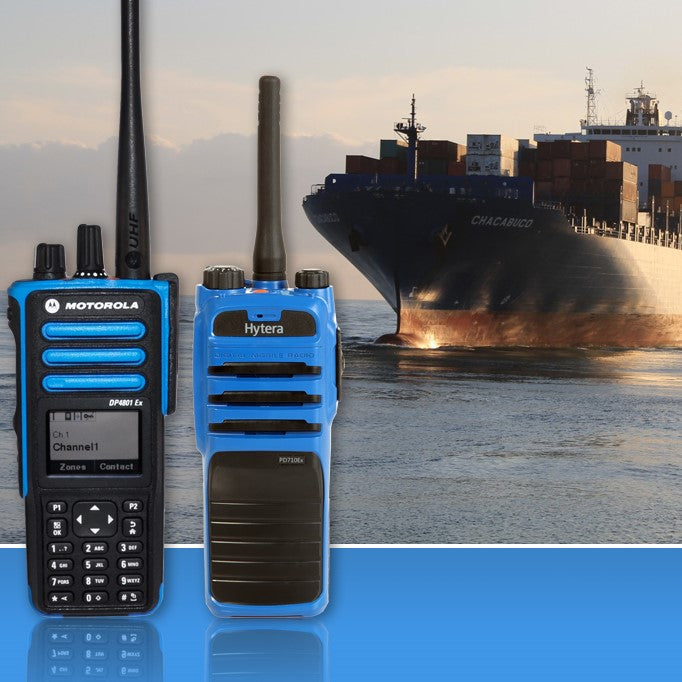
Two way radios, commonly known as walkie talkies, are indispensable in logistics due to their reliability and effectiveness. These devices provide instant communication, which is essential in coordinating activities seamlessly among teams. Unlike mobile phones, professional walkie talkies like those offered by Basec Africa, are designed to withstand harsh environments, making them ideal for logistics operations.
Types of Two Way Radios

- Handheld Radios: Compact and portable, these are perfect for personnel on the move. The Motorola GP340 Walkie Talkie is a popular choice for its durability and long battery life.
- Digital Two Way Radios: They provide clearer audio and better range than analog radios. Digital systems cut through the noise, ensuring critical messages are heard.
- Long Range Walkie Talkies: Ideal for large sites, these allow communication over extensive distances, crucial for remote areas.
- UHF and VHF Communication Radios: These radios offer specific advantages depending on the operational environment. UHF is better suited for urban settings while VHF excels in open, rural areas. For more insights, read The Advantages of Implementing UHF and VHF Communication Radios in Nigeria.
- Push-to-Talk Technology: This modern feature allows instant connectivity with minimal lag, enhancing real-time communication efficiency.
Advantages of Two Way Radios Over Mobile Phones
- Instantaneous Communication: Unlike mobile phones that require dialing and call setup time, two way radios provide immediate connectivity with just a push of a button.
- Durability and Longevity: Designed to withstand drops, dust, and harsh weather conditions, professional two way radios are built for tough logistics environments.
- Operational Efficiency: With dedicated communication channels, radio systems reduce downtime and improve coordination across teams, whether at a construction site or during an event.
- Cost-Effective: Avoiding ongoing mobile phone charges, these radios present a more budget-friendly solution for businesses.
Basec Africa: Your Go-To for Communication Solutions
Basec Africa, a division of Bas Africa Solutions Ltd, is renowned for supplying high-quality two way radio communication systems across Nigeria. Whether you need robust communication solutions for security teams, events, or construction projects, Basec Africa has you covered. Explore our range of communication solutions, including the Motorola Handheld Walkie Talkies and Motorola Base Radios.
Experience the advantages of a professional communication system with Basec Africa's reliable and efficient products. For those in Lagos and across Nigeria, Basec Africa is proud to be a leading provider of walkie talkies and communication radio systems designed for optimal performance and safety.
For more detailed guidance, read our article A Guide to Enhancing Hotel Staff Communication with Portable Radio Systems.
Enhance your logistics operations with state-of-the-art communication solutions from Basec Africa, your trusted partner for high-quality radio communication systems.
FAQs
What are the key benefits of using walkie talkies for logistics operations?
Using walkie talkies in logistics operations enhances communication efficiency, increases worker safety, improves response times during emergencies, and allows for seamless coordination between team members in real-time.
How do walkie talkies compare to mobile phones in a logistics setting?
Walkie talkies offer instant communication without the need for dialing numbers or waiting for connections, which is particularly useful in environments with high noise levels or where quick responses are crucial.
What features should I look for in a walkie talkie for logistics operations?
When selecting walkie talkies, consider features such as long battery life, durable construction, range capabilities, noise-cancelling technology, and compatibility with other communication systems.
Can walkie talkies be used in adverse weather conditions?
Yes, many walkie talkie models are designed for durability and are weather-resistant, making them suitable for outdoor use in various environmental conditions, including rain and extreme temperatures.
How many channels do I need in a walkie talkie system for my logistics team?
The number of channels required depends on the size of your team and the complexity of your operations. Multiple channels allow different teams or departments to communicate without interference.
What is the typical range of walkie talkies used in logistics?
The range of walkie talkies can vary significantly based on terrain and obstructions, with some models offering ranges from 1 to several miles. It’s essential to choose a model that fits the layout of your operational area.
How can I improve coverage for a larger logistics operation?
For larger operations, consider using a combination of walkie talkies and repeater systems. This set-up can extend the communication range and ensure every team member stays connected.
Are there any training requirements for effectively using walkie talkies in logistics?
While walkie talkies are generally user-friendly, providing brief training on proper usage, effective communication practices, and safety protocols can enhance their effectiveness in operations.
How can regular maintenance impact the performance of walkie talkies?
Regular maintenance, such as checking batteries, cleaning devices, and ensuring firmware is up to date, can prolong the life of walkie talkies and ensure reliable performance during critical operations.

