









In the fast-paced and high-stakes environments where security teams operate, efficient communication is crucial. Portable communication radios, such as two-way radios and the quintessential walkie talkie, play an essential role in ensuring seamless, instant communication across different terrains. This blog post delves into how these devices are revolutionizing workflows, especially for security teams in regions like Nigeria.
Table of Contents
- Table of Contents
- The Power of Two-Way Radios
- Types of Two-Way Radios
- Advantages Over Mobile Phones
- Basec Africa: Your Partner in Communication Solutions
- Featured Products and Collections
- Further Reading
- FAQs
The Power of Two-Way Radios
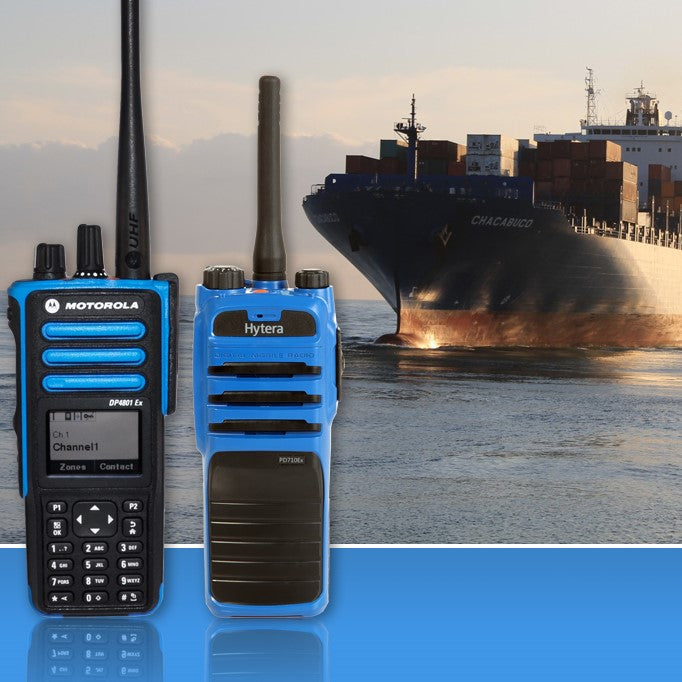
Two-way radio communication, especially with devices like digital two-way radios and handheld two-way radios, offers a distinct advantage over mobile phones. Unlike phones, which rely on cellular networks, two-way radios provide instant push-to-talk communication without delays, making them invaluable for time-sensitive operations.
Whether it's a long range walkie talkie or a UHF/VHF communication radio, these devices ensure reliability, especially in areas where mobile networks might be sketchy. They are also designed to withstand harsh conditions, adding a layer of durability that is crucial for professional environments.
Types of Two-Way Radios
Different situations demand different kinds of radios:
- Handheld Radios: Perfect for on-the-go communication and can be used effectively in crowded places like events.
- Digital Two-Way Radios: Offer improved audio quality and secure communication, critical for security operations.
- Long-Range Walkie Talkies: Ideal for expansive areas such as estates or large construction sites.
- UHF and VHF Radios: Selected based on the terrain and the specific communication needs.
Advantages Over Mobile Phones
Professional radio communication systems provide several advantages:
- Instant Communication: Facilitates quick, one-button connectivity.
- Reliability: Unaffected by cellular network outages.
- Durability: Built to endure tough conditions, which is crucial for security and construction teams.
- Effectiveness in Large Areas: Especially useful where cellular coverage is limited or nonexistent.
Basec Africa: Your Partner in Communication Solutions
Basec Africa, a leading subsidiary of Bas Africa Solutions Ltd, is at the forefront of providing these sophisticated communication solutions. By offering high-quality walkie talkies and professional communication equipment, Basec Africa supports security companies, event organizers, construction teams, and similar organizations in Nigeria.
For those looking to invest in reliable radio communication systems, Basec Africa provides comprehensive solutions tailored to the clients' operational requirements.
Featured Products and Collections

- MOTOROLA DP-4400/DP-4401 Analog Walkie Talkie: Renowned for reliability in security operations.
- Baofeng 777s Walkie Talkie: An excellent option for affordable and efficient communication.
- Motorola Dm1400 Base Radio: Offers robust, stable communication for various operations.
Explore more with Baofeng Two Way Radio Communications and Motorola Analog Radios.
Further Reading
For more insights into the realm of digital radios, check out Exploring the Future of Digital Two Way Radios in Nigerian Communication Systems.
In conclusion, the role of portable communication radios in enhancing operational workflows in various professional domains cannot be overstated. Whether you are part of a security team, managing event communications, or coordinating hotel staff, Basec Africa offers the necessary tools to ensure safety, reliability, and efficiency in your communication strategies.
Visit Basec Africa for more information on their offerings.
FAQs
What are portable communication radios?
Portable communication radios are handheld devices that allow users to communicate wirelessly over designated frequencies. They are widely used in various industries, particularly by security teams, to enhance communication and coordination during operations.
How do portable communication radios improve workflows for security teams?
These radios facilitate instant communication between team members, enabling quick decision-making and faster responses to incidents. This streamlined communication helps improve situational awareness and operational efficiency on the ground.
What are the key features to look for in portable communication radios?
When choosing portable communication radios, it’s important to consider features such as range, battery life, durability, ease of use, and compatibility with existing communication systems to ensure they meet the specific needs of your security team.
Are portable radios better than mobile phones for security operations?
Yes, portable radios are often more effective for security operations as they provide instant push-to-talk communication, greater battery life, rugged design for outdoor use, and the ability to connect many users on a single channel without network issues.
Can portable communication radios work in remote areas?
Absolutely. Many portable communication radios are designed to operate in challenging environments, including remote areas where cellular service may be unavailable. They use radio frequencies that do not rely on cell towers, ensuring reliable communication wherever needed.
How can I integrate portable communication radios into my existing security system?
Integration can often be achieved by ensuring that the radios are compatible with current communication infrastructure, utilizing repeaters for extended coverage, and training your staff on how to use these devices effectively alongside other communication tools.
What is the typical range of portable communication radios?
The range of portable communication radios varies based on the model and conditions. Typically, they can communicate effectively within a range of 1 to 5 miles in open areas, but this can be reduced in urban settings or densely populated environments due to obstacles.
How important is training for using portable communication radios?
Training is essential to ensure that team members understand how to operate the radios effectively. Proper training helps maximize the radios’ capabilities, promotes safety, and ensures that the team can communicate efficiently during emergencies.

