


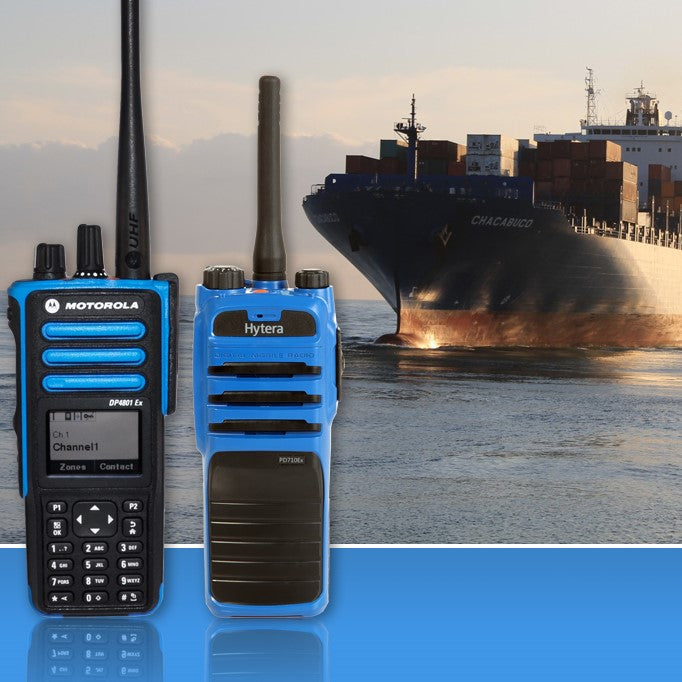








Effective communication is crucial for the success of any construction project. In environments where instant, reliable, and durable communication is essential for safety and productivity, two way radios — such as walkie talkies — remain unmatched. With advancements in technology, the modern two-way radio has become more sophisticated and versatile, offering a reliable alternative to mobile phones especially in challenging environments.
Table of Contents
- Table of Contents
- The Versatility of Two-Way Radios in Construction
- Key Types of Two-Way Radios
- Advantages Over Mobile Phones
- Basec Africa: Your Partner in Communication Solutions
- Featured Products for Your Construction Needs
- Further Reading
- FAQs
The Versatility of Two-Way Radios in Construction
Key Types of Two-Way Radios
- Handheld Two Way Radios: Compact and portable, these radios are essential for on-the-go communication. They are commonly used by construction site managers to relay important information quickly across the site.
- Digital Two Way Radios: Offering clear audio quality and longer battery life compared to analog versions, digital radios are ideal for complex work environments.
- Long Range Walkie Talkies: These radios excel at providing communication over vast areas, making them suitable for large construction sites where typical mobile signals may struggle.
- UHF and VHF Communication Radios: Depending on the landscape, UHF radios are more effective in urban settings with many obstructions, while VHF radios are suited to open areas.
- Modern Push-to-Talk Communication Technology: Instant communication at a push of a button increases efficiency, allowing seamless coordination on construction projects.
Advantages Over Mobile Phones
Professional walkie talkies offer significant advantages over mobile phones on construction sites, including:
- Instant Communication: Avoiding delays caused by phone networks, instant communication ensures immediate response to urgent situations.
- Reliability: Two way radios are less prone to signal loss compared to mobile phones, particularly in remote or densely-covered areas.
- Durability: Built to withstand harsh conditions, these radios can endure dust, water, and physical shocks typical of construction environments.
- Effectiveness in Large Operational Environments: With features designed for efficient crowd management, these radios ensure seamless communication across teams.
Basec Africa: Your Partner in Communication Solutions
When selecting the right communication equipment for your construction project, Basec Africa stands as a leader in providing security technology and communication solutions. A subsidiary of Bas Africa Solutions Ltd, Basec Africa supplies high-quality walkie talkies and professional communication equipment tailored for security companies, event organizers, estate managers, and construction teams.
Explore our Communication Equipment collection for reliable and robust solutions designed to enhance safety and operational efficiency on your site.
Featured Products for Your Construction Needs

- Motorola DM3600/3601 Base Radio: Ideal for ensuring solid communication over extensive areas.
- Motorola GM140/340 Base Radio: Offers versatile solutions for various team coordination needs.
Further Reading
For more insights on implementing effective communication solutions in challenging environments, consider reading our article on How Handheld Two Way Radios Can Enhance Worker Safety and Productivity.
Harness the power of professional radio communication with Basec Africa and streamline your construction projects with reliable, efficient, and robust communication solutions.
FAQs
What makes radio communication systems important for construction projects?
Reliable radio communication systems enhance safety, efficiency, and coordination among team members on construction sites, enabling quick decision-making and effective problem-solving.
How do radio communication systems improve safety on construction sites?
These systems allow for instant communication, helping to prevent accidents by ensuring that all team members are aware of hazards and updates in real-time, thus fostering a safety-first culture.
What features should I look for in a radio communication system for construction?
Key features include durability, extended battery life, clear audio quality, long-range coverage, and compatibility with other devices. A system that offers push-to-talk functionality also facilitates immediate communication.
Can radio communication systems be used in adverse weather conditions?
Yes, many radio communication systems are designed to withstand harsh environments, including rain, dust, and temperature fluctuations, making them ideal for outdoor construction sites.
How do radio communication systems facilitate better project management?
They enable seamless communication between project managers and workers, allowing for real-time updates on progress, immediate feedback, and faster responses to changes or challenges on site.
What should I consider when training staff to use radio communication systems?
Training should focus on proper operation, protocols for clear communication, emergency procedures, and etiquette to ensure that messages are understood and responses are effective in various situations.
Are there any legal requirements for using radio communication on construction sites?
Yes, it’s essential to adhere to local regulations regarding radio frequencies and equipment usage. Familiarizing yourself with these laws can help avoid fines and ensure safe operation.
Can radio communication systems be integrated with other technologies on site?
Absolutely! Many modern radio systems can be integrated with smartphones, tablets, and other construction management software, enhancing communication and data sharing across the team.
How can I assess the effectiveness of my radio communication system during a project?
Monitoring feedback from users, evaluating response times in various situations, and analyzing incident reports related to communication can help gauge the effectiveness of the system and identify areas for improvement.

