


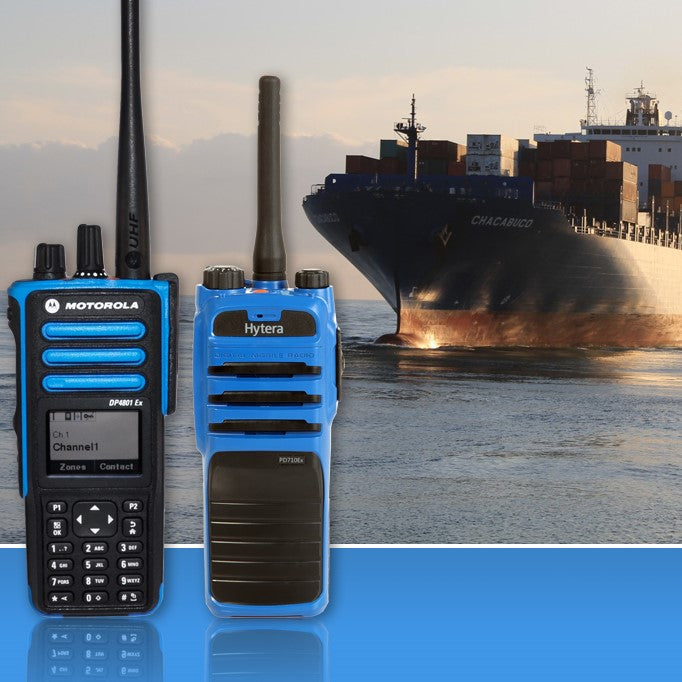








In the bustling world of construction, coordination is key to ensuring tasks are executed efficiently and safely. In this dynamic environment, two way radios have become indispensable tools for communication. These devices, ranging from simple handheld walkie talkies to advanced digital two way radios, enhance collaboration and manage large workforces seamlessly. At the forefront of providing these communication solutions in Nigeria is Basec Africa, a part of the innovative Bas Africa Solutions Ltd.
Table of Contents
- Table of Contents
- Why Two Way Radios Are Crucial on Construction Sites
- Types of Two Way Radios
- Recommended Products and Collections
- Beyond Construction: A Broader Impact
- Conclusion
- FAQs
Why Two Way Radios Are Crucial on Construction Sites
Construction sites are large, noisy, and often unpredictable environments where mobile phone communication may falter. Here’s why professional radio communication systems are preferable:
- Instant Communication: Unlike mobile phones, walkie talkies allow for instant voice communication at the push of a button, which is vital during emergencies or rapid coordination.
- Reliability and Durability: Designed to withstand harsh environments, long range walkie talkies are robust and reliable tools that remain functional under dust, rain, and extreme temperatures.
- Cost-Effectiveness: Avoid the ongoing call and data charges associated with mobile phones, saving money while maintaining effective communication.
- Range and Coverage: Using UHF and VHF frequencies, communication radios ensure clear transmission across vast distances, an essential feature for expansive construction sites.
Types of Two Way Radios
Several types of two way radios are particularly useful in construction settings:
- Handheld Walkie Talkies: Compact and portable, these are perfect for quick reach and frequent use.
- Digital Two Way Radios: Offering enhanced clarity and features such as text messaging, they integrate modern push-to-talk communication technology.
- Long Range Walkie Talkies: Designed for extensive coverage, crucial for maintaining contact across larger sites.
Recommended Products and Collections

At Basec Africa, we offer a variety of high-quality communication devices tailored for specific needs. Featured products include:
You can explore these in our Motorola Handheld Walkie Talkies collection.
Beyond Construction: A Broader Impact
Two way radios are not just confined to construction. In Nigeria, they are widely utilized across various sectors including security, event management, and hospitality. Here are more applications:
- Security Teams: Ensuring tight-knit coordination and efficient response times using security walkie talkie Nigeria.
- Event Organization: Keeping large-scale events running smoothly using event communication radios.
- Hospitality Sector: Efficient in logistical operations for hotel staff communication.
Basec Africa supports these diverse sectors by offering a broad range of communication radios aimed at enhancing coordination and ensuring safety. Explore our full Communication Equipment collection for more options.
Conclusion
Integrating professional walkie talkies and two way radios into construction site operations fundamentally enhances communication efficiency, reliability, and safety. By providing top-notch equipment, Basec Africa plays a crucial role in empowering construction teams, security entities, and event organizers across Nigeria. To read further about the benefits of two way radios over mobile phones, check out our detailed comparison in the article Digital Two Way Radios Versus Mobile Phones: A Comparative Guide for Professionals.
For more insights into how professional communications can improve team safety and coordination, explore How Professional Communications from Basec Africa Improve Team Safety and Coordination.
FAQs
What are two-way radios?
Two-way radios are communication devices that allow two or more users to actively communicate with each other. They operate on radio frequencies, enabling instant voice communication without the need for a cellular network.
How do two-way radios improve communication on construction sites?
Two-way radios provide instant communication between team members, allowing for quick decision-making and efficient coordination. They eliminate the delays associated with phone calls and ensure everyone on the site is informed in real-time.
What advantages do two-way radios offer over mobile phones on construction sites?
Two-way radios are often more durable and are built to withstand harsh environments. They have a longer battery life, provide instant push-to-talk functionality, and can operate even in areas with poor cellular reception.
Can two-way radios enhance safety on construction sites?
Yes, two-way radios greatly enhance safety by allowing immediate communication about hazards, accidents, or emergencies. Quick reporting can lead to faster responses, potentially minimizing risks and injuries.
What features should I look for in two-way radios for construction?
Important features include durability (weather and impact resistance), a long battery life, range capabilities suitable for your site, the ability to operate on multiple channels, and an emergency alert button.
How many channels do I need for my construction team?
The number of channels depends on the size of your team and the complexity of your operations. For larger projects, multiple channels can help reduce interference and allow different crews to communicate without disruption.
Do two-way radios require special licenses to operate?
In many regions, using specific frequencies may require a license, while others may permit use without one. Check local regulations to ensure compliance with communication laws in your area.
Can two-way radios be used in all weather conditions?
Many modern two-way radios are designed to be weather-resistant and can function well in various conditions, including rain, dust, and extreme temperatures. However, it's essential to check the specifications of your devices for weather-related features.
What is the range of two-way radios used on construction sites?
The effective range of two-way radios depends on several factors, including terrain, obstacles, and the radio's power. Typically, construction site radios have a range of a few miles in open areas but may be significantly reduced in built-up environments.
How can I integrate two-way radios into my construction project management?
Incorporating two-way radios can be achieved by establishing a communication plan that includes assigning specific channels for teams, providing training for device use, and regularly checking equipment functionality to ensure reliable communication throughout the project.