









In the bustling realm of professional communication, two way radios stand as a pivotal element. Whether it's for security operations, event management, or construction site coordination, the reliability and efficiency of walkie talkies are unmatched. Nigeria, with its ever-expanding sectors demanding quick and effective communication, witnesses an increased reliance on these devices.
Table of Contents
- Table of Contents
- Understanding the Power of Two Way Radios
- Advantages over Mobile Phones
- Basec Africa: Pioneering Communication Solutions
- Featured Products
- Explore Our Collections
- Enhancing Operational Efficiency
- FAQs
Understanding the Power of Two Way Radios
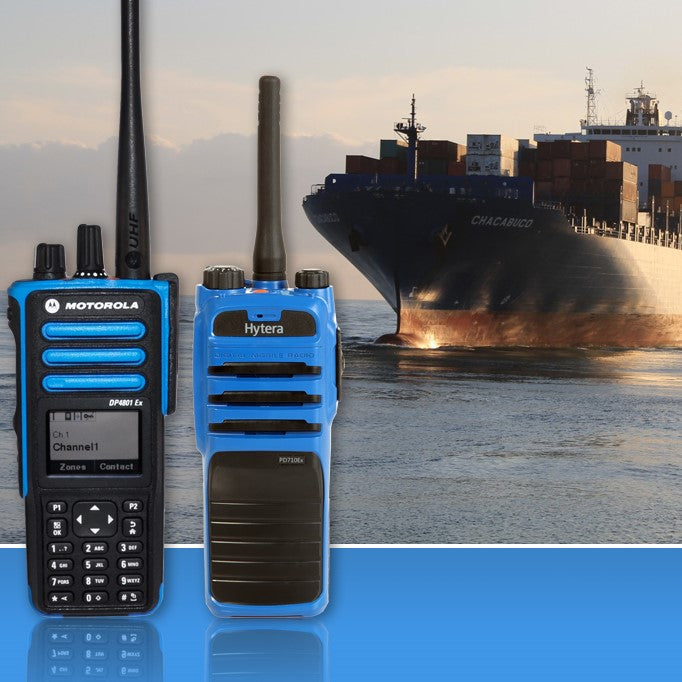
Two way radio communication offers instant connectivity, a significant advantage over traditional mobile communication. When it comes to professional walkie talkies, the durability and long-range capabilities make them superior, especially in large, operational environments. Let's delve into various types of two way radios and their specialized features:
- Handheld Radios: Compact and portable communication radios perfect for on-the-go use across different industries.
- Digital Two Way Radios: Offering clear audio and enhanced security, these are ideal for professional and sensitive operations.
- Long-Range Walkie Talkies: Essential for vast operational zones, ensuring uninterrupted communication.
- UHF and VHF Communication Radios: Each serves unique needs based on the environment—UHF for dense urban areas and VHF for open fields.
- Push-to-Talk Technology: Simplifies communication with a single button press, crucial for fast-paced environments.
Advantages over Mobile Phones
While mobile phones are ubiquitous, they falter in remote regions and can face network outages. In contrast, professional radio communication systems remain dependable. These systems promise:
- Reliability: Always connected, regardless of mobile network conditions.
- Durability: Built to withstand harsh environmental conditions typical on construction sites or outdoor events.
- Instantaneous Communication: Ensures immediate interaction in high-stakes situations like security operations.
Basec Africa: Pioneering Communication Solutions
Basec Africa, under the umbrella of Bas Africa Solutions Ltd, is at the forefront of providing top-notch security and communication solutions. Recognized for delivering high-quality walkie talkies and two way radios in Nigeria, Basec Africa caters to security firms, event organizers, and numerous other sectors seeking efficient communication tools.
Visit Basec Africa to explore a range of products designed for bespoke operational needs.
Featured Products

- Motorola DM3600/3601 Base Radio: Ideal for central communication hubs.
- Baofeng C5 Walkie Talkie Radio: Reliable and efficient, perfect for daily operations.
- Baofeng 777s Walkie Talkie: Known for its simplicity and effectiveness.
Explore Our Collections
Enhancing Operational Efficiency
Harnessing reliable radio communication can significantly elevate operational efficiency. To understand its impact better, consider reading:
- Maximizing Efficiency in Hotel Operations with Portable Communication Radios
- The Importance of Reliable Radio Communication Systems for Construction Projects
By investing in robust communication tools like those offered by Basec Africa, organizations in Nigeria can ensure safety, enhance coordination, and maintain seamless operations across various landscapes.
FAQs
What are two-way radios and how do they work?
Two-way radios are communication devices that allow users to send and receive voice messages over radio frequencies. They operate on a push-to-talk system, meaning users can communicate instantly by pressing a button, making them ideal for professional environments where quick coordination is essential.
Why are two-way radios important for professional communication in Nigeria?
In Nigeria, two-way radios enhance communication reliability, especially in industries such as construction, security, transportation, and events management. They provide immediate connectivity, reduce delays in communication, and can function in areas with poor mobile network coverage.
How do two-way radios differ from mobile phones?
Two-way radios do not rely on cellular networks and can communicate directly over radio frequencies. This makes them more reliable in remote locations where phone signals are weak or nonexistent. Additionally, two-way radios allow group communication without the need for multiple phone calls.
Are two-way radios suitable for all environments?
Yes, two-way radios are designed for various environments, including rugged outdoor settings, urban areas, and crowded venues. Many models are ruggedized to withstand harsh conditions, including water resistance and durability against falls.
What features should I consider when choosing a two-way radio?
Look for features such as range, battery life, ease of use, durability, and additional functionalities like privacy codes, programmable channels, and emergency features. Assessing your specific needs will help determine the best model for your professional communication.
Do I need a license to operate two-way radios in Nigeria?
In Nigeria, the use of two-way radios typically requires obtaining a license from the relevant regulatory body. It is essential to check the local regulations and ensure compliance before using two-way radios for professional purposes.
How far can two-way radios communicate with each other?
The communication range of two-way radios varies based on the model and the terrain. Most can operate within a range of 1 to 5 kilometers in urban settings, while some high-powered models can reach greater distances, particularly in open areas.
What is the battery life of two-way radios?
Battery life depends on the model and usage frequency. Most two-way radios can last anywhere from 8 to 24 hours on a single charge, with heavy usage potentially decreasing this time. It's advisable to have spare batteries or chargers available for extended use.
Can two-way radios be used for emergencies?
Absolutely, two-way radios are excellent tools for emergencies. Many models come with dedicated emergency channels, instant access to communication, and robust features to ensure connectivity during crises when other communication methods may fail.

