










In the realm of modern security operations, the right communication tools can mean the difference between success and failure. Two-way radios, often referred to as walkie talkies, serve as the backbone of professional radio communication systems, providing instant, reliable, and effective communication across various sectors, including security, events, and construction. This blog post delves into the transformative impact of digital push-to-talk technology on modern security operations, examining the advantages of different types of two-way radios and showcasing the solutions offered by Basec Africa.
Table of Contents
- Table of Contents
- The Power of Two-Way Radio Communication
- Exploring Radio Types and Their Applications
- Supporting Various Industries in Nigeria
- Basec Africa: The Premier Provider of Communication Solutions
- FAQs
The Power of Two-Way Radio Communication

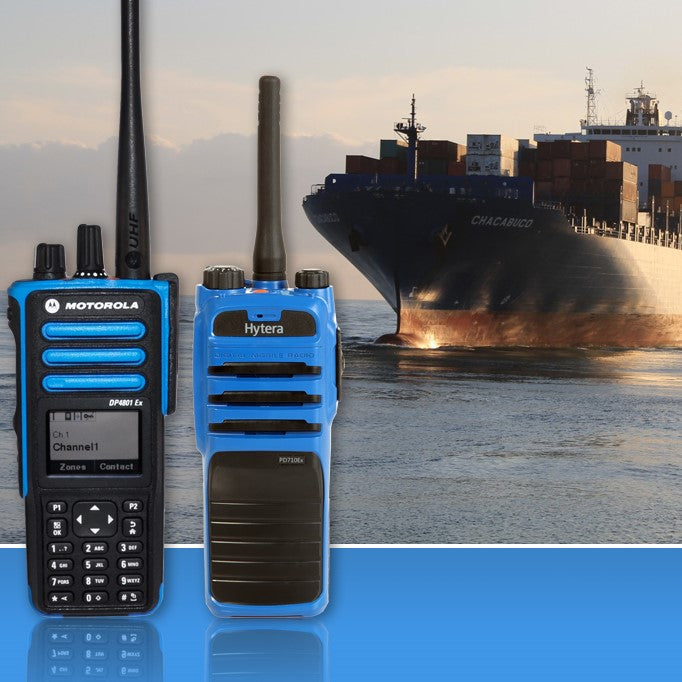
Two-way radios have long been vital in facilitating communication in environments where mobile phones fall short. Compared to mobile devices, two-way radio systems—including handheld two-way radios, digital two-way radios, and long-range walkie talkies—offer superior durability, instant connectivity, and the ability to function in remote areas with little to no cellular reception.
For instance, the Motorola Dp4801ex Atex Walkie Talkie Radio exemplifies the advanced capabilities needed in high-stakes security scenarios. It is engineered to withstand the toughest environments while ensuring clear, uninterrupted communication.
Exploring Radio Types and Their Applications
Understanding the difference between UHF (Ultra-High Frequency) and VHF (Very High Frequency) communication radios is essential for choosing the right equipment. UHF radios are ideal for urban environments or indoor settings, as they perform well around obstacles like buildings. On the other hand, VHF radios are better suited for open areas, making them the top choice for use in rural or expansive areas.
Basec Africa, through its parent company Bas Africa Solutions Ltd, provides an extensive range of communication solutions tailored to different use cases. From professional walkie talkies and security communication radios to event communication devices and hotel staff radios, their offerings are designed with efficiency and safety in mind.
To delve further into the advantages of choosing the right communication radios based on specific needs, you can explore the insightful article, Comparing UHF and VHF Communication Radios for Nigerian Market Adventures.
Supporting Various Industries in Nigeria

In Nigeria, where connectivity can be challenging, especially in large operational environments like construction sites and events, dependable communication tools such as the Motorola GR300 Repeater or two-way radios from collections like Motorola Two Way Radio Communications are crucial. Whether working in bustling cities such as Lagos or more rural locales, these devices play a pivotal role in elevating operational efficiency.
Basec Africa: The Premier Provider of Communication Solutions
Basec Africa stands at the forefront of security technology and communication solutions. Their expertise extends to supplying high-quality communication equipment tailored for security companies, event organizers, and construction teams in Nigeria. The diverse range of products ensures that every client benefits from robust and versatile communication solutions, crucial for promoting safety and coordination.
For more insights into how portable communication radios are revolutionizing workflows for security teams, visit Basec Africa's blog: Portable Communication Radios: Revolutionizing Workflows for Security Teams.
Basec Africa continues to advance the landscape of radio communication in Nigeria, emboldening sectors with the tools needed to thrive in our increasingly interconnected world. Visit their website to explore their comprehensive range of communication solutions.
FAQs
What is digital push-to-talk technology?
Digital push-to-talk technology allows instant communication over digital networks, enabling users to communicate in real time, much like a walkie-talkie but with enhanced features such as better audio quality and broad coverage.
How does digital push-to-talk improve communication in security operations?
It streamlines communication by providing a reliable and fast way for security personnel to coordinate responses, share critical information quickly, and ensure all team members are on the same page, enhancing overall operational efficiency.
What advantages does digital push-to-talk offer over traditional methods of communication?
Unlike traditional communication methods, digital push-to-talk reduces latency, supports more users simultaneously, and offers features like group calls, GPS tracking, and integration with other security systems, leading to improved situational awareness.
Can digital push-to-talk technology integrate with existing security systems?
Yes, many digital push-to-talk solutions are designed to integrate seamlessly with existing security infrastructure, including surveillance systems and alarm notifications, enabling a more coordinated response to incidents.
Is digital push-to-talk technology secure?
Most modern digital push-to-talk systems utilize strong encryption protocols to protect communications from eavesdropping and unauthorized access, making them a secure choice for sensitive security operations.
What types of organizations can benefit from digital push-to-talk technology?
Organizations of various sizes and sectors, including law enforcement, private security firms, event security, and emergency services, can benefit from the instant communication and enhanced collaboration that digital push-to-talk provides.
How does digital push-to-talk technology enhance emergency response?
It enables rapid communication among team members during a crisis, allowing them to share real-time updates, coordinate actions more effectively, and respond to emergencies in a timely manner, ultimately saving lives.
What devices can be used with digital push-to-talk technology?
Digital push-to-talk technology can be used on various devices, including smartphones, tablets, and specialized two-way radios, making it accessible to a wide range of users in different environments.
What is the role of internet connectivity in digital push-to-talk technology?
Digital push-to-talk technology typically relies on internet connectivity to transmit voice data, which means stable network access is essential for optimal performance, particularly in remote or challenging environments.
Are there any limitations to using digital push-to-talk technology?
While digital push-to-talk offers many advantages, limitations can include dependency on network coverage, potential latency in areas with weak signals, and the need for ongoing maintenance and updates to the technology.

