









Effective communication is fundamental to operational success in various fields such as security, event management, construction, and hospitality. In Nigeria, the demand for reliable communication systems is consistently increasing, with many sectors shifting towards using two-way radios for their communication needs. In this post, we explore the different types of communication radios available and how they can be effectively utilized in Nigeria.
Table of Contents
- Table of Contents
- Types of Two-Way Radios
- 1. Handheld Two-Way Radios
- 2. Digital Two-Way Radios
- 3. Long-Range Walkie Talkies
- 4. UHF and VHF Communication Radios
- Advantages of Radio Communication Systems
- Recommended Products
- Conclusion
- FAQs
Types of Two-Way Radios
1. Handheld Two-Way Radios
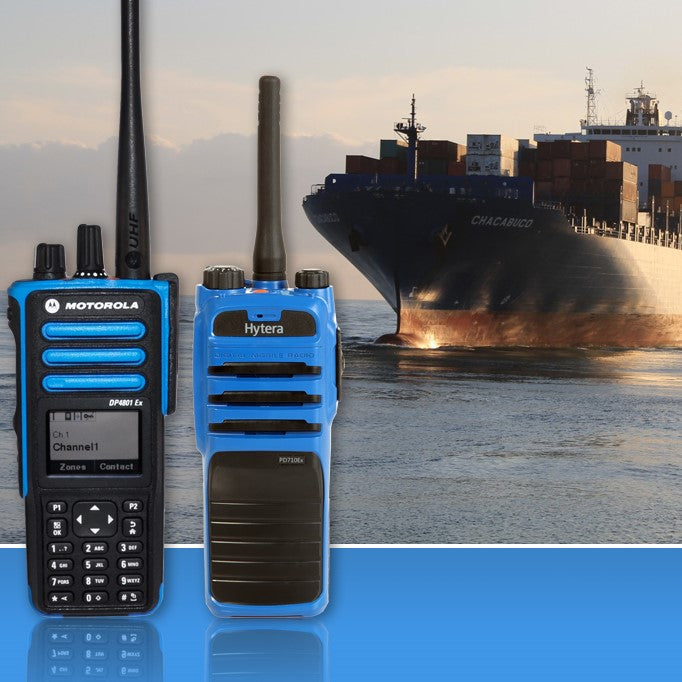
Handheld two-way radios, commonly known as walkie talkies, are portable communication devices perfect for on-the-go communication. Whether you need them for security operations, events, or hotel communications in Lagos, these radios offer instant connectivity and are easy to use. They are a staple in the range of professional walkie talkies offered by Basec Africa, a key player in providing communication solutions in Nigeria.
Check out the Baofeng Handheld Walkie Talkies collection for various options suited for personal and professional use.
2. Digital Two-Way Radios
Digital two-way radios provide enhanced clarity and longer battery life compared to their analog counterparts. They are increasingly preferred for their ability to deliver better sound quality and security. In environments like construction sites, digital radios such as the Kenwood Digital Radios ensure seamless communication.
For more information on how these radios are used in construction, read our article on The Role of Digital Two Way Radios in Modern Construction Site Communications.
3. Long-Range Walkie Talkies
These are essential for large operational environments where long distances need to be covered. Long-range walkie talkies ensure that team members stay connected, regardless of their location. Security personnel in expansive areas like estates will find these radios indispensable.
4. UHF and VHF Communication Radios
UHF (Ultra High Frequency) radios are suitable for indoor use with numerous obstructions, thanks to their higher frequency that penetrates walls more effectively. VHF (Very High Frequency) radios, on the other hand, are excellent for open outdoor areas with fewer obstructions, making them ideal for events and large outdoor spaces.
Advantages of Radio Communication Systems
Unlike mobile phones, two-way radios provide instant communication without the need for dialing numbers or facing network congestion issues. They are built to withstand harsh conditions, making them more durable and reliable for professional use. Furthermore, they are cost-effective across large teams and do not incur additional costs, unlike regular mobile communications.
Basec Africa, under Bas Africa Solutions Ltd, is at the forefront of delivering quality and reliable communication equipment tailored for diverse needs across Nigeria. From construction site communication radios to security communication radios, their offerings enhance coordination and operational efficiency.
Enhance your logistics and coordination with reliable two-way radios by exploring more through our article Enhancing Logistics and Operational Coordination with Reliable Two Way Radios.
Recommended Products

For those looking to invest in top-tier equipment, consider the following products:
Discover our full range of Communication Equipment today to find the perfect solution for your needs.
Conclusion
Professional radio communication systems have proven to be invaluable across various industries in Nigeria. Whether for security teams, event coordinators, or construction crews, the necessity for reliable, instant, and clear communication is met through these advanced technologies. Basec Africa continues to provide tailored, efficient solutions to ensure safety and communication efficiency across the nation. Visit Basec Africa for all your communication needs.
FAQs
What are the main types of communication radios used in Nigeria?
The main types of communication radios used in Nigeria include VHF (Very High Frequency) radios, UHF (Ultra High Frequency) radios, HF (High Frequency) radios, walkie-talkies, and digital mobile radios. Each type has its own advantages and ideal use cases depending on the range and clarity needed.
How do VHF and UHF radios differ?
VHF radios operate on lower frequencies and are better for long-distance communication over open areas, while UHF radios function on higher frequencies, making them more effective in urban environments with obstacles like buildings.
What factors should be considered when choosing a radio for field communication in Nigeria?
When choosing a radio for field communication, consider range, battery life, frequency type, weather resistance, ease of use, and whether a license is required for operation in your region.
Are walkie-talkies suitable for professional use?
Yes, walkie-talkies can be suitable for professional use, especially in industries like construction and event management. They provide instant communication over short ranges, making them practical for team coordination.
What is the role of digital mobile radios (DMR) in modern communication?
Digital Mobile Radios (DMR) provide clear audio quality, improved security, and efficient use of bandwidth compared to analog radios. They are particularly useful in commercial and safety-critical applications.
Do communication radios require licenses in Nigeria?
Yes, many communication radios do require licenses to operate legally in Nigeria. It’s important to check with the Nigerian Communications Commission (NCC) for specific regulations that apply to the type of radio you intend to use.
How can I ensure effective communication with my radio system in Nigeria?
To ensure effective communication, conduct regular maintenance, use the correct channels, properly train users on radio functions, and monitor battery levels. Additionally, be mindful of environmental factors that could impact signal quality.
What are some common challenges faced when using radios in Nigeria?
Common challenges include interference from other electronic devices, poor battery life, signal blockage in densely populated areas, and the need for regular training to keep all users well-versed in radio protocols.
Can radios be used during emergencies or disasters in Nigeria?
Yes, radios are crucial during emergencies as they enable immediate communication when other networks fail. Having a reliable radio system can facilitate coordination and the essential flow of information in crisis situations.

